Chocolate. We love it. We demand more of it. And for decades, that demand has often meant bad news for tropical forests, as more land gets cleared for Theobroma cacao trees.
But what if we could get ten times more chocolate from the farms we already have? And what if that same solution also helped fix the soil, pulled carbon from the air, and put more money in farmers' pockets? Apparently, the answer might be… rock dust.
Isabella Steeley, a doctoral student at the University of Sheffield, is digging into this surprisingly elegant solution. She’s studying how finely crushed rock – a process called enhanced rock weathering – can turn struggling cacao farms into powerhouses. Her research, presented at the European Geosciences Union General Assembly, sounds like a win-win-win.
We're a new kind of news feed.
Regular news is designed to drain you. We're a non-profit built to restore you. Every story we publish is scored for impact, progress, and hope.
Start Your News DetoxThe Dirt on Tropical Soil (and How to Fix It)
Tropical soils are notoriously difficult. The heat and relentless rain can strip away nutrients, leaving the earth acidic and exhausted. When the natural cycle of forest growth and decay is broken by clearing land, cacao trees eventually suffer, producing less and even absorbing toxic elements. It's a tough life for a chocolate tree.
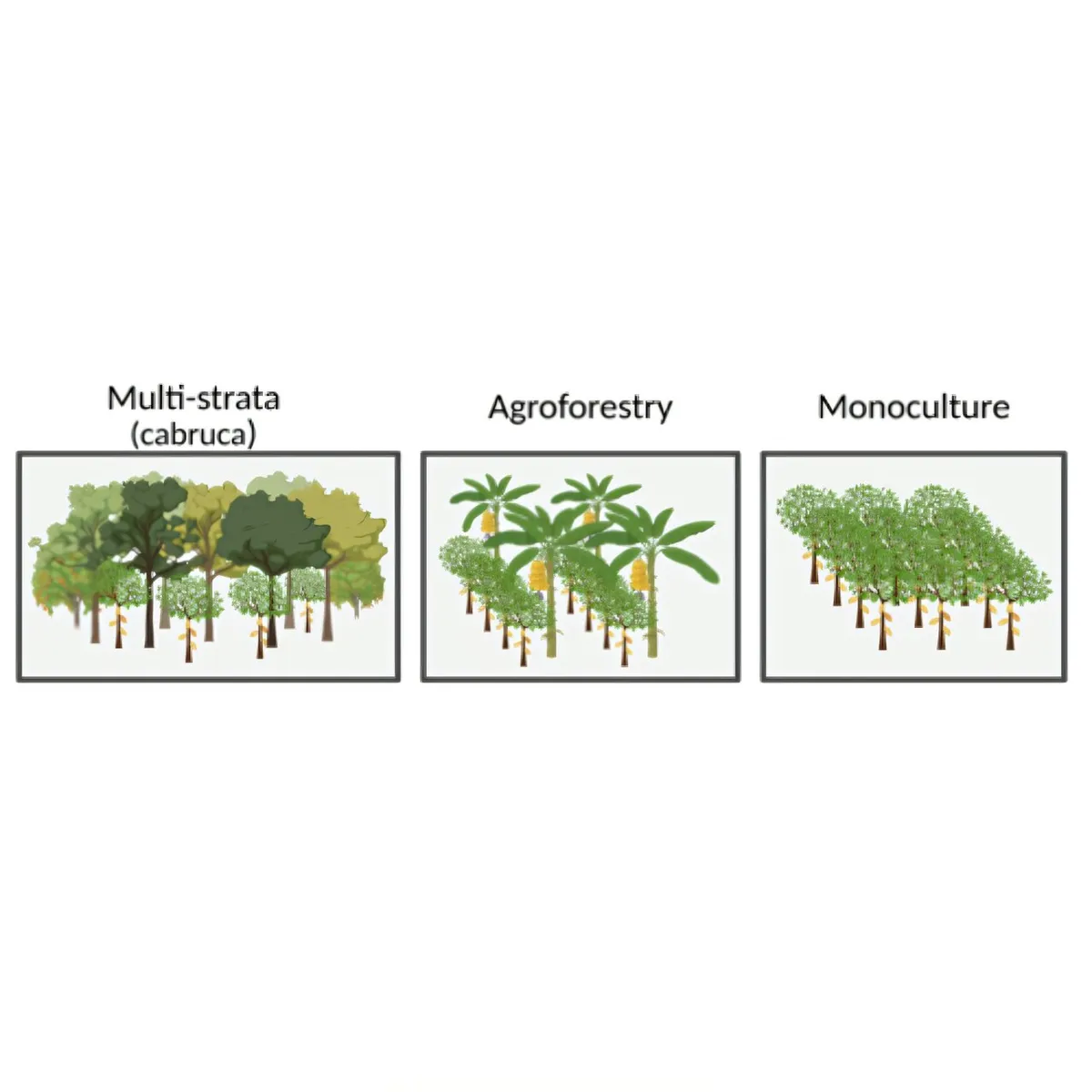
Enter the rock dust. Steeley is testing basalt dust (sourced locally in Brazil, no less) on two types of cacao farms in Brazil's Atlantic Rainforest. One farm is reforesting old pastures, mixing cacao with shade trees. The other uses a traditional method called cabruca, where cacao grows among native forest trees. This preserves more forest but typically yields less cacao.
As the rock dust breaks down, it’s like a super-vitamin for the soil. It reduces acidity, making nutrients more available to the trees. Crucially, it also removes carbon dioxide from the atmosphere. Because apparently that's where we are now: saving chocolate with rocks while simultaneously fighting climate change.
More Chocolate, More Carbon Credits, Less Deforestation
Steeley's first two years of results are in, and they're looking sweet. The commercial cacao farm saw the most significant soil improvement, suggesting these farms could become crucial stepping stones in re-connecting fragmented rainforests. Imagine: chocolate farms acting as ecological bridges.
Even better, her team found a new way to measure how much carbon the rock dust is actually storing. Early data indicates that cabruca farms – the ones that preserve more forest – might be even better at capturing CO2. This opens up the possibility for small farmers to sell carbon credits, turning improved soil into a sustainable income stream. Which, if you think about it, is both impressive and slightly terrifying in its ingenuity.
Considering most cacao comes from farms smaller than 50 hectares, boosting yields and offering new revenue streams could directly help local communities. Steeley notes that the farmers involved are "really excited about any kind of innovation that can help sustain their livelihoods." Because who wouldn't be excited about better chocolate, healthier forests, and a bit more cash, all thanks to some clever rocks?