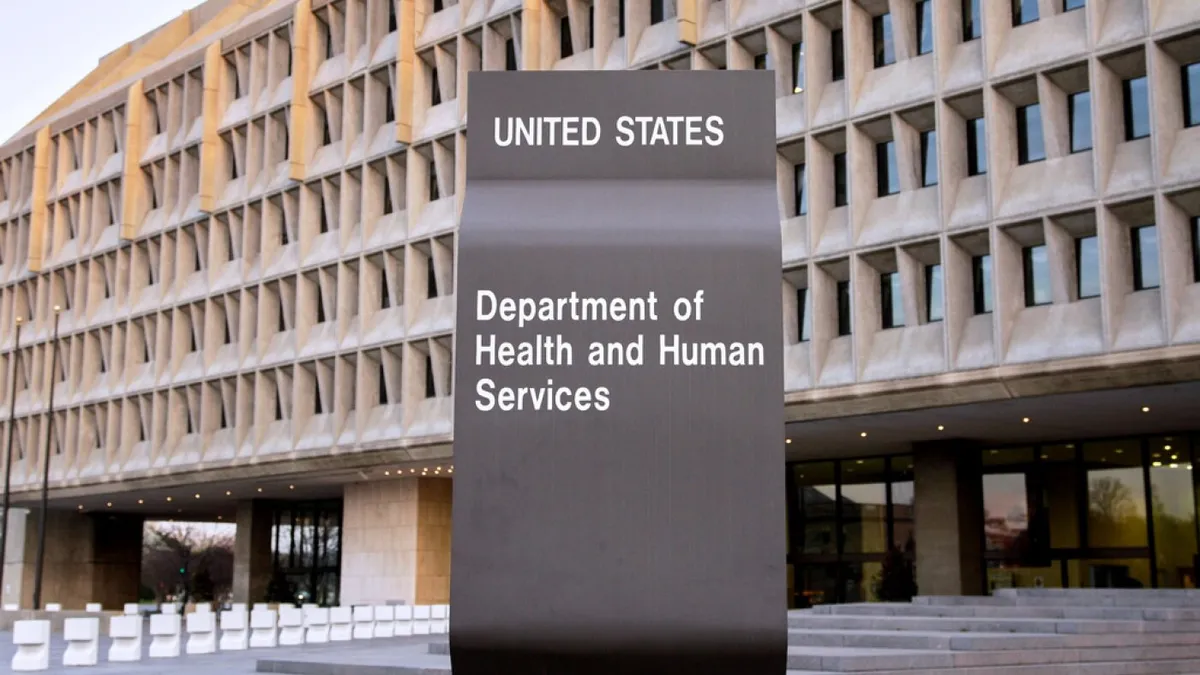
A federal judge in Washington, D.C. has ordered the Trump administration to restore nearly $12 million in grants to the American Academy of Pediatrics, finding that the Department of Health and Human Services likely cut the funding in retaliation for the group's public health advocacy.
U.S. District Judge Beryl Howell issued a preliminary injunction in favor of AAP, determining that the organization would suffer irreparable harm if the grants remained terminated while the lawsuit continues. The seven grants, cut in December, supported programs addressing sudden unexpected infant death, rural pediatric care, and mental health and substance use support for teenagers.
The case hinges on a narrow legal question: whether the federal government can withdraw funding from organizations that publicly disagree with its policies. HHS argued the grants no longer aligned with departmental priorities. But the judge found the evidence suggested something else—that the cuts were designed to punish AAP for speaking out on issues including pediatric vaccines and access to gender-affirming care.
We're a new kind of news feed.
Regular news is designed to drain you. We're a non-profit built to restore you. Every story we publish is scored for impact, progress, and hope.
Start Your News Detox"This is not a case about whether AAP or HHS is right or even has the better position on vaccinations and gender-affirming care for children, or any other public health policy," Howell wrote. "This is a case about whether the federal government has exercised power in a manner designed to chill public health policy debate by retaliating against a leading and generally trusted pediatrician member professional organization focused on improving the health of children."
The distinction matters. A government agency can shift priorities and reallocate funding. But using that power to silence organizations that disagree with it crosses into constitutional territory—specifically, the right to free speech and the principle that agencies shouldn't punish groups for advocacy.
The ruling restores funding to programs that serve some of the most vulnerable populations: infants at risk of sudden death, children in rural areas with limited access to specialists, and teenagers struggling with addiction and depression. For AAP, it's a procedural win that keeps these programs running while the broader case plays out in court. For the Trump administration, it's a setback in its effort to redirect federal health priorities.
The lawsuit itself will continue. This injunction is temporary—a court's way of saying the case is serious enough to prevent immediate harm while it decides the larger question of whether the funding cuts were actually retaliatory. The full legal battle over government power, agency discretion, and the limits of political disagreement in public health remains ahead.