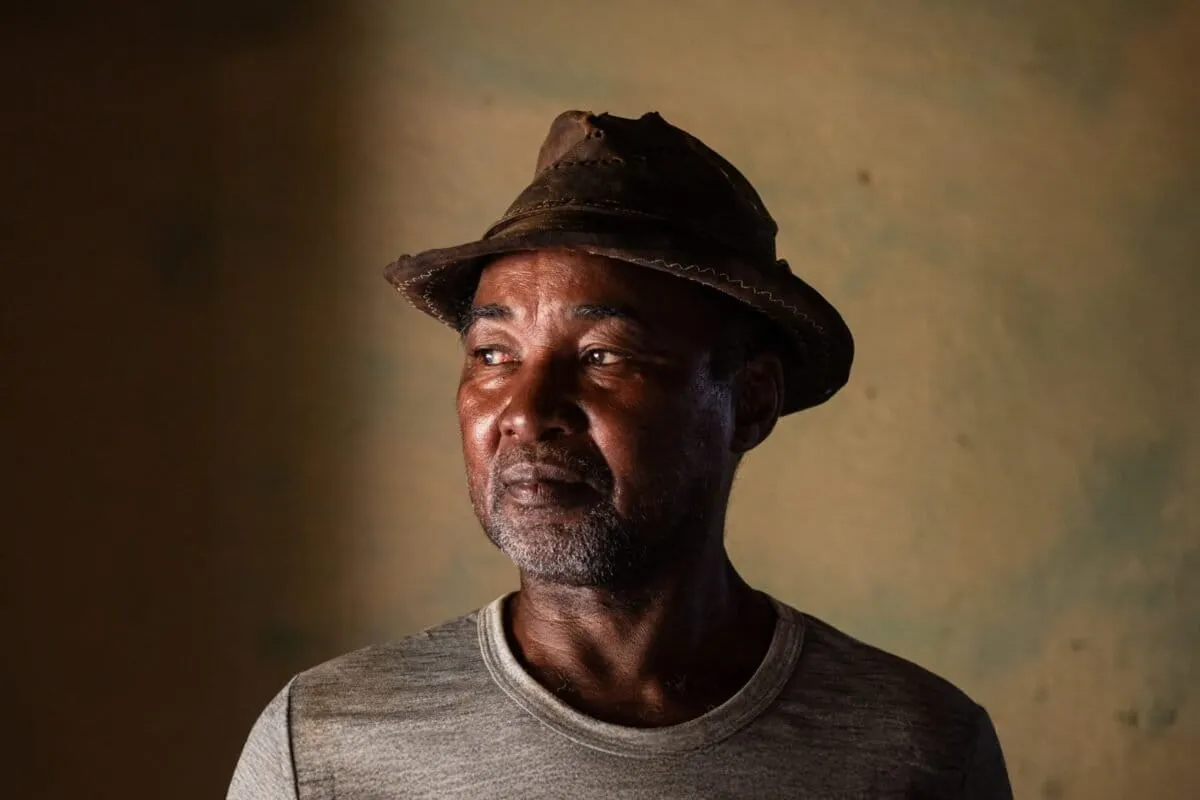
Aécio Luiz used to find wild beehives without looking. In his Afro-Brazilian community of Córrego Narciso, deep in Brazil's Jequitinhonha Valley, the buzzing was everywhere—a reliable presence as he moved through his property as a farmer and beekeeper. Around 2021, that changed. "Now, that has become a rarity," he tells researchers. The shift coincides with the arrival of Sigma Lithium, a Canadian company building a processing plant for the mineral that powers electric vehicles.
It's not just Luiz who's noticed. Osmar Aranã, from the Aranã Indigenous people who have lived in the valley for generations, describes the same pattern: "In the past four years or so, we basically stopped coming across wild [native] bees and their nests. Before then, you'd see them flying around all over the place."
The valley is experiencing rapid industrial transformation. Lithium projects and eucalyptus plantations are reshaping the landscape at a pace locals say is unprecedented. For beekeepers whose livelihoods depend on healthy bee populations, the timing feels like more than coincidence.
We're a new kind of news feed.
Regular news is designed to drain you. We're a non-profit built to restore you. Every story we publish is scored for impact, progress, and hope.
Start Your News DetoxThe Invisible Cost of Clean Energy
The paradox is sharp: lithium is essential for the renewable energy transition. The batteries in electric vehicles and solar storage systems depend on it. Yet extracting and processing lithium requires significant water and energy, and can alter local ecosystems in ways scientists are only beginning to understand.
André Rech, a pollination ecology expert at the Federal University of the Jequitinhonha and Mucuri Valleys, explains the vulnerability. "Any small alterations to the microclimate of such a vulnerable region could spark a domino effect on vegetation, biodiversity — and on bees," he says. The Jequitinhonha Valley isn't a random location for this worry. It's a region with distinctive microclimates and plant communities that evolved in relative isolation, making it particularly sensitive to disruption.
The problem is that Brazil lacks sufficient environmental studies and regulations specific to lithium mining's effects on local ecosystems. Researchers can observe the pattern—fewer bees arriving around 2021, when Sigma Lithium's operations began—but the causal chain remains unclear. Is it water depletion? Air quality changes? Habitat loss? Pesticide drift? The data gap means beekeepers and Indigenous communities are living with uncertainty about threats they can see but can't yet fully explain.
For Luiz and Aranã, the stakes are both economic and cultural. Their knowledge of the valley's bee species and seasonal patterns represents generations of observation. If those bees disappear, so does that relationship with the land. And as global demand for lithium surges—driven by the push toward electric vehicles and renewable energy—similar tensions are playing out across South America, Africa, and Southeast Asia.
The question facing policymakers isn't whether to mine lithium, but how to do it in ways that don't simply transfer environmental costs from one place to another.