Liver cirrhosis develops quietly. Healthy tissue gradually hardens into scar, the organ loses function, and the immune system — meant to protect — instead keeps attacking. Now researchers in Spain have found a way to make that overactive immune response stand down.
The culprit is a molecule called Platelet-Activating Factor, or PAF. In a healthy liver, PAF does its job and moves on. But in cirrhosis, liver immune cells pump out PAF constantly, driving inflammation and raising pressure in the blood vessels that feed the liver. It's like having the alarm system stuck in the "on" position.
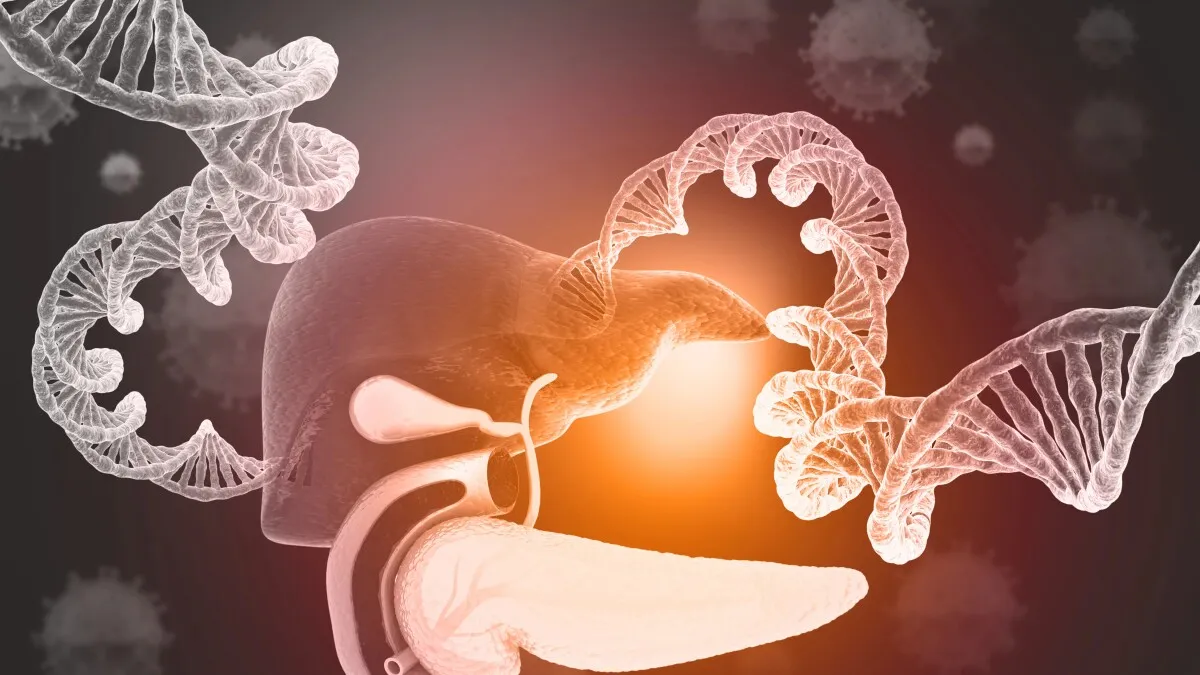
Researchers at Miguel Hernández University discovered why this happens. The PAF-R gene — the instruction manual for making PAF receptors — gets stuck in overdrive due to an epigenetic change, a kind of molecular dimmer switch that's been cranked all the way up. Once they understood the mechanism, they tested whether blocking PAF could reverse the damage.
We're a new kind of news feed.
Regular news is designed to drain you. We're a non-profit built to restore you. Every story we publish is scored for impact, progress, and hope.
Start Your News DetoxThey worked with both cirrhosis patients and mice with chemically induced cirrhosis. Some mice received a drug called BN-52021, designed to block PAF action. The results were direct: blocking PAF reduced liver injury, improved blood vessel function, and brought the immune system back into balance. "These findings suggest that drugs capable of blocking PAF action could represent a new therapeutic line for liver cirrhosis," said researcher Enrique Ángel Gomis.
What makes this work particularly promising is that it targets the root cause rather than just the symptoms. Most cirrhosis treatments manage inflammation after the fact. But if epigenetic therapies could reset those molecular switches — turning the PAF-R gene back down — doctors could prevent the immune overreaction before it starts. Instead of constantly fighting the inflammation, the liver could heal.
The study, published in Biomedicine & Pharmacotherapy, used mice, so the path to human treatment remains open. But the mechanism is clear: find the switch, flip it back, and the cascade of damage stops. For the 2 million people worldwide who die from liver cirrhosis each year, that's the kind of precision medicine that could eventually change outcomes.