

A Cambodian woman named Many Chann needed $1,200 to build a house. A pub owner in Uganda named Butiti Twimukye wanted to expand her business. Neither had access to traditional banks. Both found capital through strangers on the internet willing to lend them money.
This is how Kiva works. The non-profit connects individual lenders with entrepreneurs in the developing world through a simple platform: you pick a borrower whose story resonates, you lend as little as $25, and when they repay, you get your money back to lend again. It sounds almost too straightforward to matter. And yet the numbers suggest otherwise.
Kiva has facilitated over $1.8 billion in loans to date, reaching more than 5,500 entrepreneurs. The repayment rate sits at 98.57 percent — a figure that reveals something important about who gets left out of traditional finance. These aren't risky bets. They're people with solid plans and nowhere else to turn.
We're a new kind of news feed.
Regular news is designed to drain you. We're a non-profit built to restore you. Every story we publish is scored for impact, progress, and hope.
Start Your News Detox
Many Chann's Group, a 13-member housing loan in Cambodia
The mechanism here is almost as important as the money itself. When you lend through Kiva, you're not donating to a cause — you're making an investment that comes back to you. The borrower isn't receiving charity — they're accessing capital on terms they can meet. That distinction matters psychologically and practically. It treats both sides as capable adults rather than savior and saved.
Kiva's field partners in each country handle the vetting and disbursement, which is why the repayment rate holds so steady. They know their communities. They understand which businesses will survive and which won't. They follow up when payments are due. The platform itself is just the connective tissue.
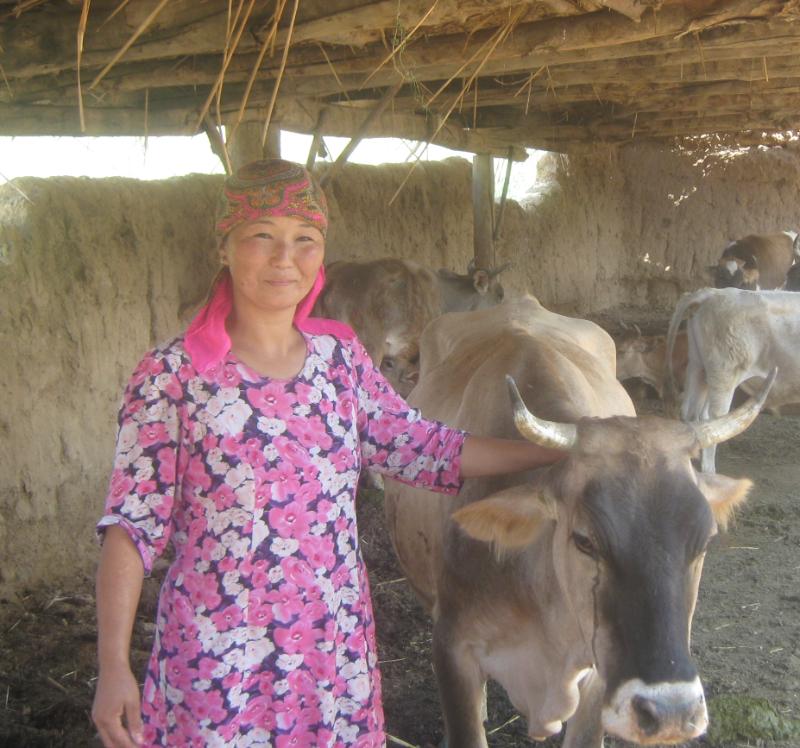
Butiti Twimukye, a pub owner in Uganda
What's shifted in the past decade is the accessibility. You don't need to be wealthy or specialized to participate. You don't need to understand microfinance theory. You just need to believe that someone with a solid plan deserves a chance, and you need $25. The lenders on Kiva's platform now number in the millions — ordinary people from ordinary countries deciding to fund ordinary dreams in places they may never visit.
The impact compounds quietly. A housing loan means a family moves out of a rented room. A pub expansion means hiring staff. A farming loan means better equipment and a larger harvest. These aren't transformations that make international news, but they reshape individual lives and local economies one transaction at a time.
The next phase isn't about making loans bigger or reaching more countries. It's about deepening what already works — strengthening the field partnerships, improving the data transparency, and expanding access in regions where traditional banking still doesn't reach. Kiva has proven the model. Now it's a question of scale.