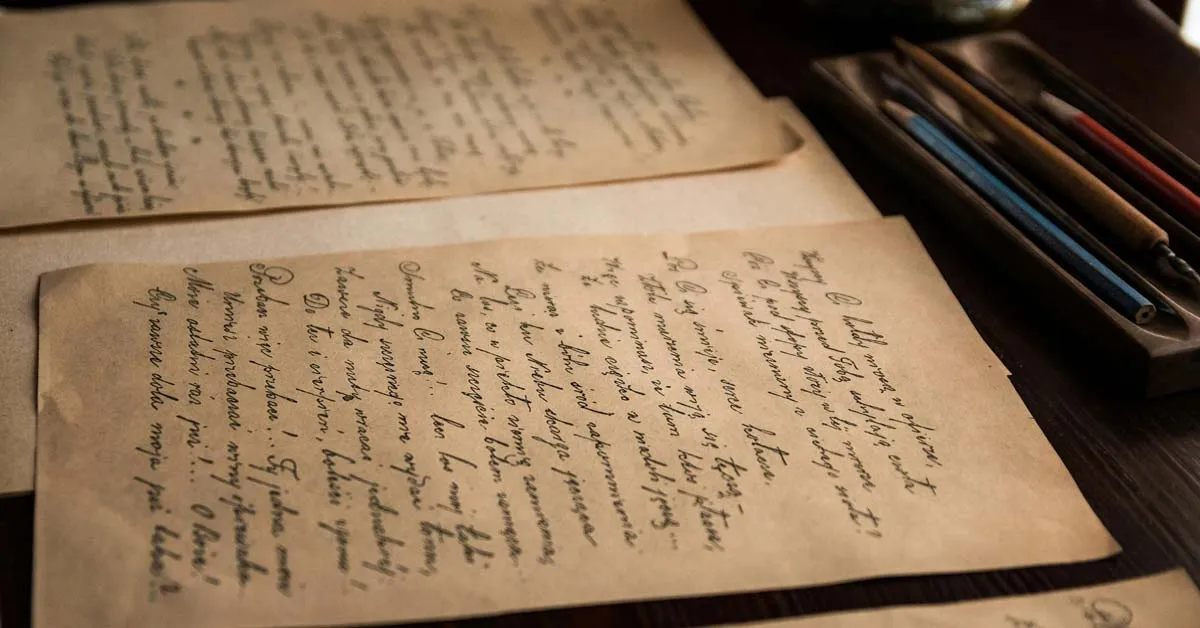
Apparently, not everyone's grandma taught them how to sign their name in a fancy loop-de-loop. Cursive, that elegant relic of a bygone era, is slowly fading from the curriculum, meaning a whole generation might soon stare blankly at a historical document written by hand.
But fear not, future historians! A dedicated squad of AmeriCorps volunteers at Bowling Green State University is on a mission to save us from this impending illiteracy crisis. Their project? "Cursive for a Cause," which sounds like a very polite superhero team.
The Unsung Heroes of Handwriting
Armed with laptops and, presumably, a healthy dose of patience, these volunteers are translating handwritten cursive into searchable, digital text. Think of it as archaeological excavation, but for old letters instead of pottery shards. Many of these documents are tucked away in the university's archives, often revealing the untold stories of women through their diaries, journals, and correspondence.
We're a new kind of news feed.
Regular news is designed to drain you. We're a non-profit built to restore you. Every story we publish is scored for impact, progress, and hope.
Start Your News DetoxWe're talking everything from heartfelt confessions and detailed recipes to surprisingly complex financial records. Cecilia Seibert from AmeriCorps puts it simply: these stories deserve to live on, even if the original penmanship is a bit... spirited. While many historians can still decipher a good old-fashioned swoop, this project ensures that future generations, who might only know Comic Sans, can still access them.
Volunteer Rob Snyder points out the obvious but crucial benefit: once digitized, these documents are no longer locked away in a dusty box. They're available to anyone with an internet connection. Which, if you think about it, is a pretty powerful way to democratize history.
Of course, it's not always a smooth read. Some handwriting looks like a spider fell into an inkwell and then tap-danced across the page. Missing punctuation? Just another Tuesday. But the volunteers persevere, turning what was once a visual puzzle into a searchable resource. It's a quiet revolution, ensuring that even if cursive becomes as rare as a rotary phone, its messages will still ring loud and clear.