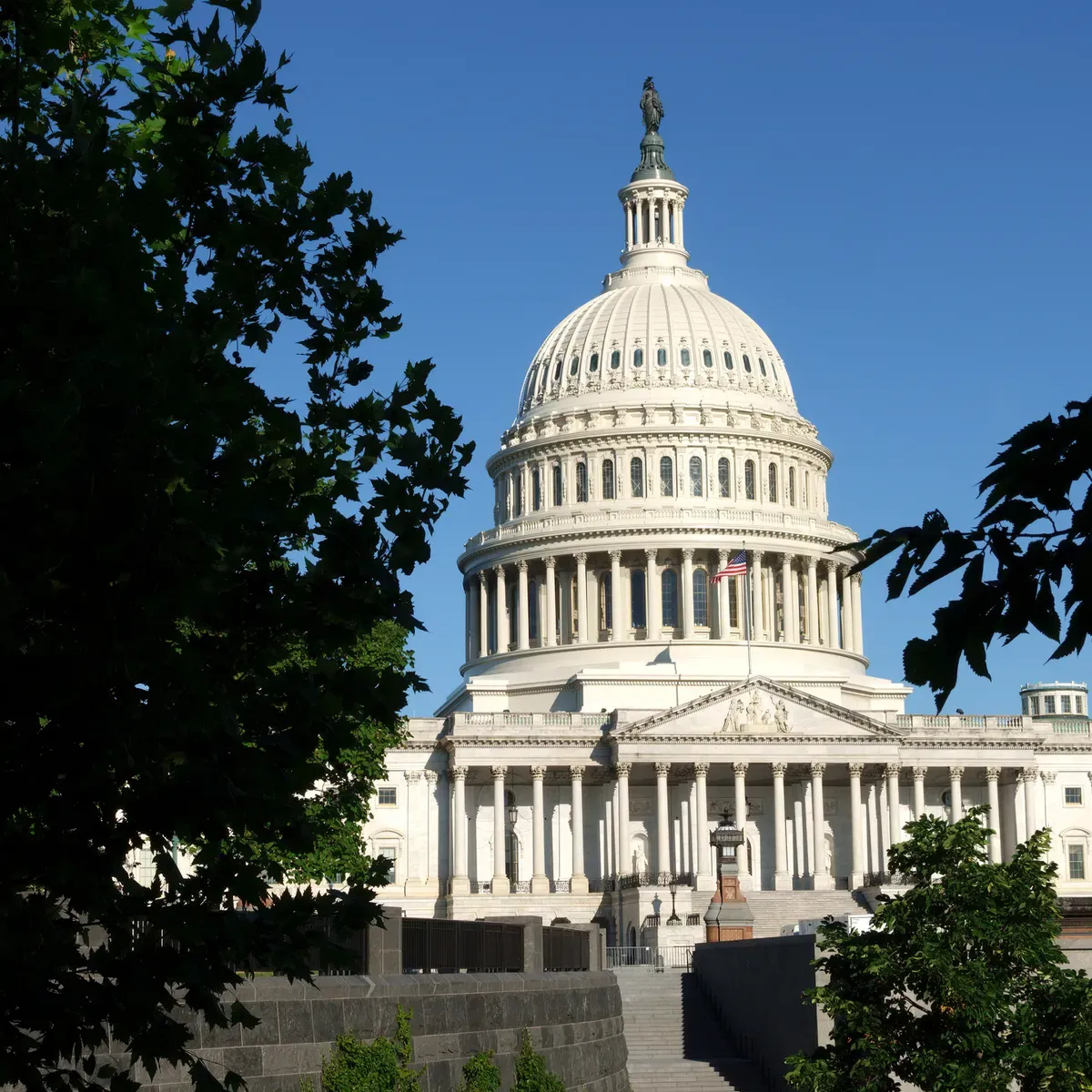
Right now, local governments maintain 43% of America's major roads but receive only 16% of federal transportation funding. That mismatch is about to become a negotiation point on Capitol Hill.
This week, mayors, county officials, and regional planners are meeting with congressional leaders to pitch the BASICS Act—a bipartisan bill that would flip the script. Instead of Washington deciding how transportation dollars flow to communities, the bill would give local officials more say in where federal money actually goes.
"We need to be able to get the money out faster to where it's intended to go," said Brittney Kohler, legislative director of transportation and infrastructure at the National League of Cities. The current system creates friction: applications take time, bureaucratic requirements slow projects, and funding sometimes lands in places that don't match local priorities.
We're a new kind of news feed.
Regular news is designed to drain you. We're a non-profit built to restore you. Every story we publish is scored for impact, progress, and hope.
Start Your News DetoxThe BASICS Act, introduced by Michigan Democrat Kristen McDonald Rivet and Pennsylvania Republican Rob Bresnahan, isn't radical. It streamlines access to the Surface Transportation Block Grant program—money that's already flexible enough to fund roads, bridges, pedestrian paths, bike lanes, transit projects, and bus terminals. The bill just removes some of the friction between the federal checkbook and the communities that actually know what they need.
Who's behind this? The National League of Cities, the U.S. Conference of Mayors, the Association of Metropolitan Planning Organizations, and groups representing counties and regional councils. That coalition spans both parties and both urban and rural America, which is why the bill has traction.
The logic is straightforward. Metropolitan planning organizations already bring together local leaders, state transportation departments, and transit providers to set priorities based on actual data about how people travel and how goods move through their regions. They're not guessing—they're working from real numbers about commute patterns, freight routes, and infrastructure gaps. Giving them more control over federal funds means money flows to projects that actually match those priorities.
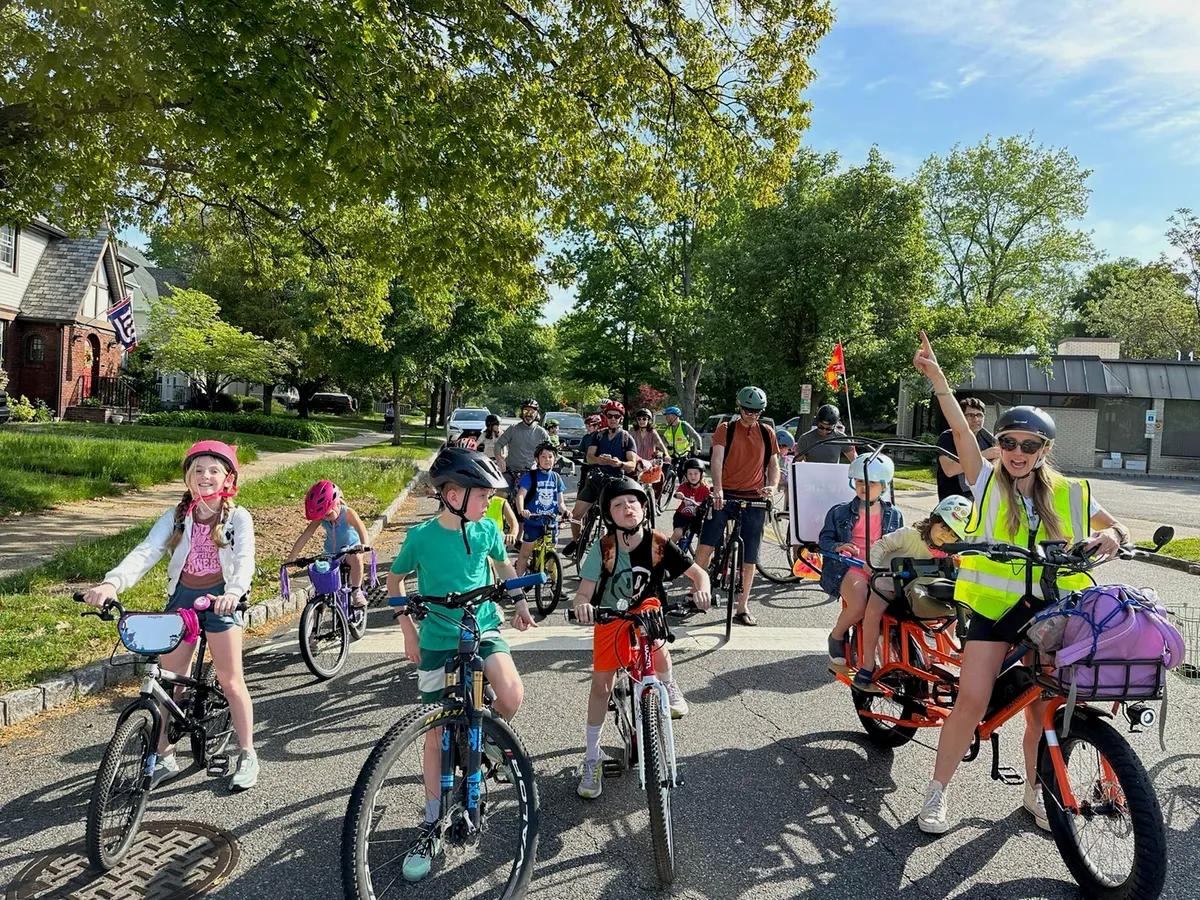
This matters beyond the policy weeds. When communities can access transportation funding faster and with less red tape, projects get built sooner. Bike lanes get painted. Bridges get fixed. Transit gets improved. The people who use those roads and transit systems every day don't see the bureaucratic process—they just see whether their commute got better or worse.
As Congress prepares to rewrite the surface transportation authorization bill in the coming months, this coalition's "top ask" will be hard to ignore. It's not about more money—at least not yet. It's about letting the people closest to the problem have more say in the solution.