A large study tracking drinking habits across decades has found something that shifts how we think about alcohol and cancer risk: it's not just whether you drink now—it's how much you've drunk over your entire life that matters most.
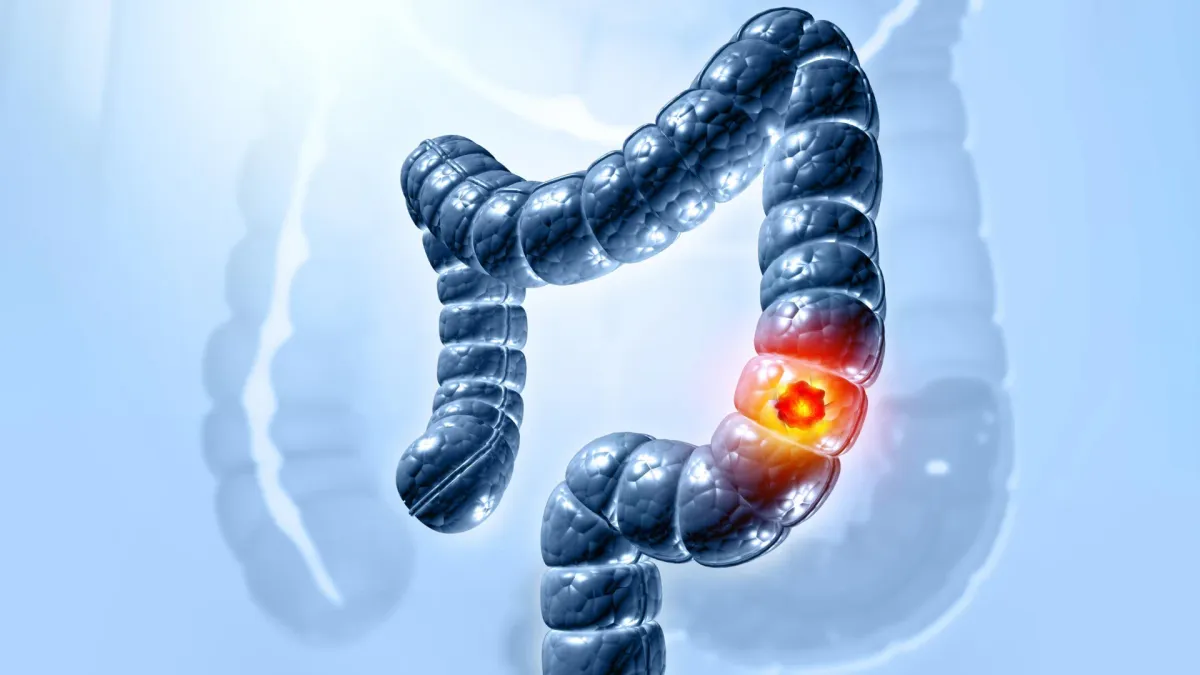
Researchers following participants in a major cancer screening trial discovered that people who averaged 14 or more drinks per week over their lifetime had roughly double the risk of rectal cancer compared with those who drank less than one drink weekly. For colorectal cancer more broadly, the increase was 25%. The difference is striking enough that it suggests the body accumulates something from long-term drinking—damage that builds quietly over years.
What the pattern reveals
What makes this finding sharper than previous research is the focus on duration. When scientists looked at drinking patterns across adulthood rather than just current habits, the picture clarified: people who drank heavily for many years faced a 91% higher colorectal cancer risk than consistent light drinkers. But there's a crucial detail buried in the data. Former drinkers—people who quit—showed no elevated risk at all. Their cancer rates looked the same as those who'd always drunk lightly.
We're a new kind of news feed.
Regular news is designed to drain you. We're a non-profit built to restore you. Every story we publish is scored for impact, progress, and hope.
Start Your News DetoxThat detail matters because it suggests the damage isn't permanent. "Our study is one of the first to explore how drinking alcohol over the life course relates to both colorectal adenoma and colorectal cancer risk," said Erikka Loftfield, PhD, MPH, of the National Cancer Institute. "While the data on former drinkers were sparse, we were encouraged to see that their risk may return to that of the light drinkers."
The biological mechanism remains partly a mystery. Alcohol breaks down into compounds that may damage cells lining the gut, or it may shift the balance of microbes in your digestive system in ways that increase cancer risk. Researchers are still working out which of these processes—or what combination—actually drives the effect.
The practical takeaway is quieter than a headline usually allows: if you've been drinking heavily for years, stopping appears to matter. You don't carry that risk forward forever. The body, it seems, can recover.