A three-year study from Texas Biomedical Research Institute found something unexpected: tiny, non-intoxicating doses of THC appeared to shield the gut and liver from damage caused by long-term HIV treatment, while keeping the virus fully suppressed.
The research matters because antiretroviral therapy (ART) has transformed HIV from a death sentence into a manageable condition. But the trade-off is real. People living with HIV on ART often face chronic inflammation, cardiovascular disease, liver damage, and neurological problems — the cumulative toll of both the virus and the drugs meant to control it.
"People living with HIV experience chronic inflammation, which leads to many co-morbidities," says Professor Mahesh Mohan, who led the work. "Our lab is interested in finding solutions to help address this."
We're a new kind of news feed.
Regular news is designed to drain you. We're a non-profit built to restore you. Every story we publish is scored for impact, progress, and hope.
Start Your News DetoxThe study used rhesus macaques infected with simian immunodeficiency virus (SIV), which mirrors HIV in humans. Two groups received ART for five months. One group also got daily low-dose THC — amounts so small they produced no "high" or intoxication. The other received a placebo.
After five months, both groups had undetectable viral levels. But the THC group showed something striking: significantly lower concentrations of ART drugs circulating in their blood. This wasn't a failure. It was protective. "THC is helping to metabolize the antiretroviral drugs faster, which is much better to protect the liver from toxicity," explains Dr. Lakmini Premadasa, who conducted the metabolic analysis.
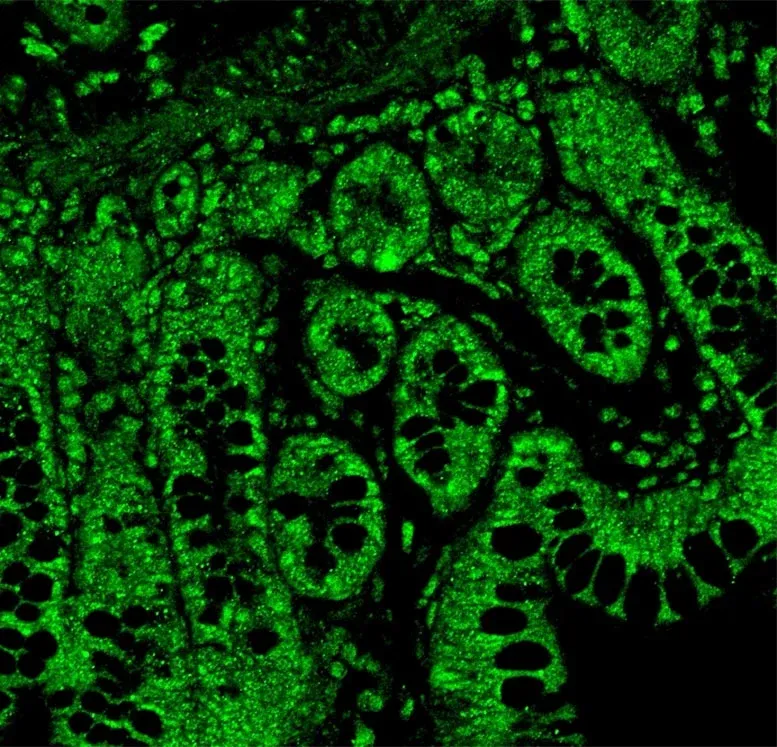
The benefits extended deeper. Serotonin levels — the neurotransmitter that influences mood, sleep, and digestion — were much higher in THC-treated animals. Researchers found more serotonin-producing cells in the gut, increased beneficial bacteria that support serotonin production, and stronger signaling along the gut-brain axis. This matters beyond HIV: low serotonin is linked to depression, brain fog, and possibly long-COVID symptoms.
The THC group also showed improved cholesterol levels and reduced secondary bile acids — compounds that at high concentrations can scar the liver and cause cirrhosis. Their cardiovascular health markers improved, with plaque-forming fatty acids returning to pre-infection levels, while the ART-only group continued showing elevated harmful fats.
Perhaps most striking: across hundreds of metabolites analyzed, Dr. Premadasa found no downsides. "I kept looking because I couldn't believe it could all be good, but I really could not find any negative impacts."
The findings were published in Science Advances and suggest THC's effects might extend beyond HIV — potentially helping with inflammatory bowel conditions, chronic liver disease, and neurodegenerative disorders. The research team is now exploring CBD combined with THC, and testing different delivery methods.
One crucial note: these were carefully controlled doses in a research setting. Commercially available cannabis products vary widely in potency and composition and may not produce the same effects. Anyone considering this approach should talk to their healthcare provider first.
The next phase is moving this from animal models to human studies — the real test of whether what works in the lab translates to the clinic.