Imagine your body's cancer-fighting cells have a secret, internal "stop" button. Researchers just found it. This discovery could be huge for people whose cancer doesn't respond to current treatments.
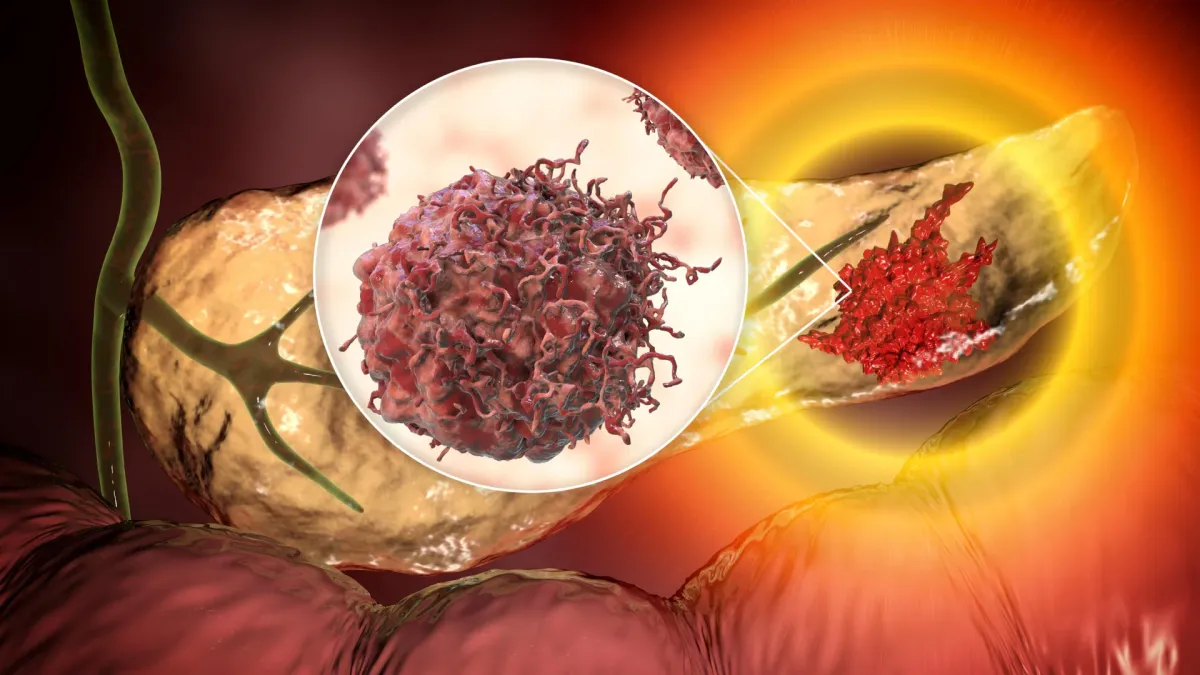
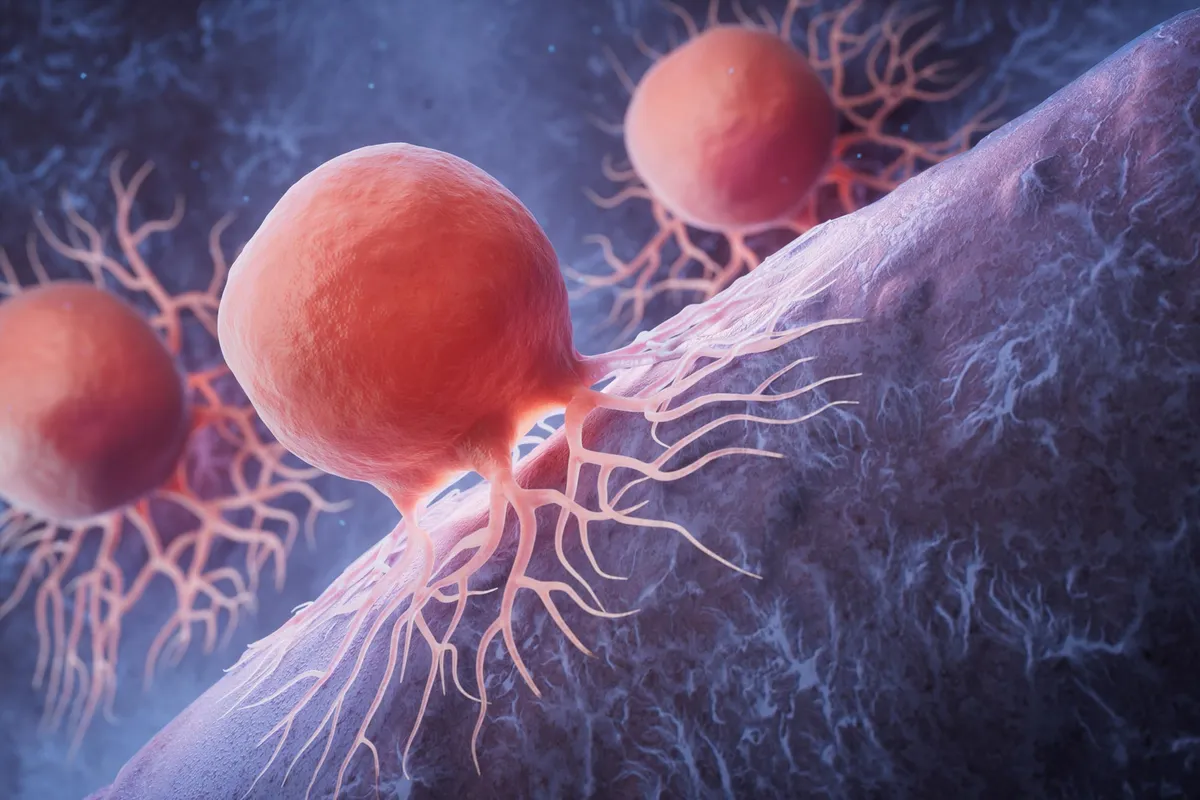
Here's the deal: our immune system has these amazing cells called T cells. They're like tiny warriors, programmed to hunt down and destroy cancer. But sometimes, they just... stop fighting.
Dr. André Veillette and his team at Université de Montréal uncovered a molecule called SLAMF6 on these T cells. Think of SLAMF6 as a built-in dimmer switch. When it flips on, it tells the T cell to slow down, get tired, and basically give up the fight against tumors.
We're a new kind of news feed.
Regular news is designed to drain you. We're a non-profit built to restore you. Every story we publish is scored for impact, progress, and hope.
Start Your News DetoxWhat's wild is that this isn't a brake the cancer puts on the immune system. It's a brake within the immune cell itself. It activates all on its own, sending a signal that weakens the T cells, makes them less effective, and wears them out faster.
Existing cancer immunotherapies work by removing external brakes that tumors use to hide from our immune system. But these don't work for everyone, or they stop working over time. That's where this new discovery comes in.
Veillette's team developed special antibodies designed to block SLAMF6 from activating. In tests, these antibodies made human T cells way more active. They created stronger, more resilient immune cells. And fewer of those T cells got exhausted.
Mice treated with these antibodies showed seriously strong anti-tumor responses. This is a big deal because it means we might have a totally new way to supercharge our own immune system against cancer, especially for patients who currently have limited options.
The next step? Testing these clever antibodies in early human trials for people with solid tumors or blood cancers. It's like finding a hidden power-up for our own bodies, and it could open up a whole new chapter in how we fight cancer.