Scotland just became the first place in the UK to start screening all newborns for a rare genetic condition called spinal muscular atrophy (SMA). This is a big deal because SMA causes muscles to waste away, and catching it early can change everything for a baby's future.
Think about it: for years, advocates have pushed for this kind of early testing. Why? Because the sooner you know, the sooner you can act. And with SMA, that can mean the difference between a life-limiting diagnosis and a much brighter path.
SMA affects about one in every 14,000 babies worldwide. It makes it tough to move, breathe, and even swallow. Without treatment, some babies might only live a couple of years. But here's the kicker: if you can diagnose SMA before symptoms even show up, treatments work much better. Once nerve cells are damaged, you can't undo it.
We're a new kind of news feed.
Regular news is designed to drain you. We're a non-profit built to restore you. Every story we publish is scored for impact, progress, and hope.
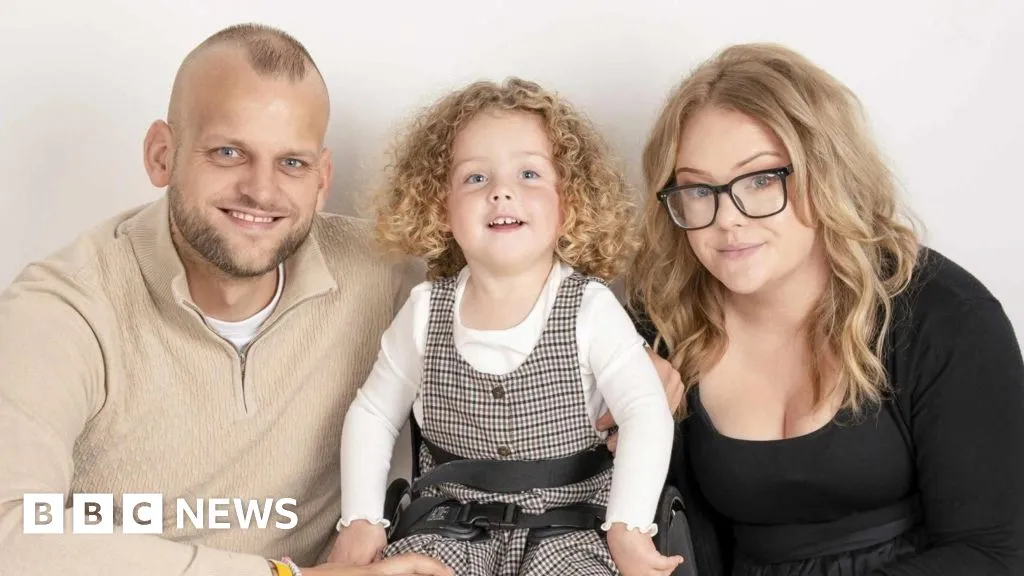
Start Your News DetoxRemember Jesy Nelson from Little Mix? She recently shared her own story after her twin daughters were diagnosed with SMA type 1. She described the "grueling three, four months" it took just to get a diagnosis. Her petition to add SMA to newborn checks across the rest of the UK hit 100,000 signatures, meaning it's headed for a discussion in Parliament.
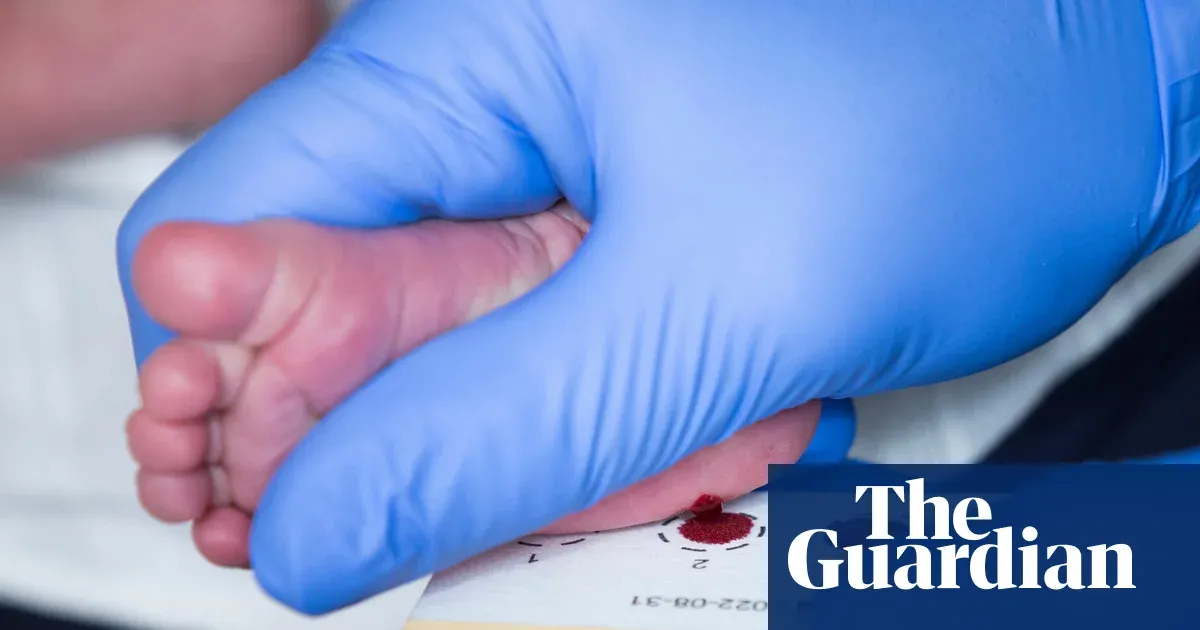
Now, in Scotland, all parents will be offered SMA screening for their newborns. It's just a simple heel prick test, usually done a few days after birth. The Scottish government and a company called Novartis are funding a two-year study to see how well this early screening works.
On average, about three or four babies are born with SMA in Scotland each year. While there's no cure yet, the NHS does fund three different drug treatments. This screening means those babies can start treatment as fast as possible.
Giles Lomax, who heads SMA UK, is really hopeful this pilot program in Scotland will push other parts of the UK to start their own testing. He believes the data from Scotland will convince the UK National Screening Committee to make this a nationwide thing.
As Lomax put it, "every month another four babies are diagnosed with SMA and the clock is always ticking." But with treatments and newborn screening, he says the future for kids with SMA is "much brighter." It basically gives children "the life they deserve." That's pretty powerful.
Even though SMA is rare, about one in 40 people carry the altered gene. If two carriers have a baby, there's a one-in-four chance that child will have SMA. This new screening program is a serious step forward for those families.