When water temperatures hit 88°F off Mauritius last summer, neighboring wild reefs bleached at rates as high as 80%. Dr. Nadeem Nazurally's experimental corals stayed vibrant. Just 2% mortality.
This isn't luck. It's the result of deliberately breeding corals that can survive warming oceans—and the results suggest the strategy might actually work at scale.
The stakes
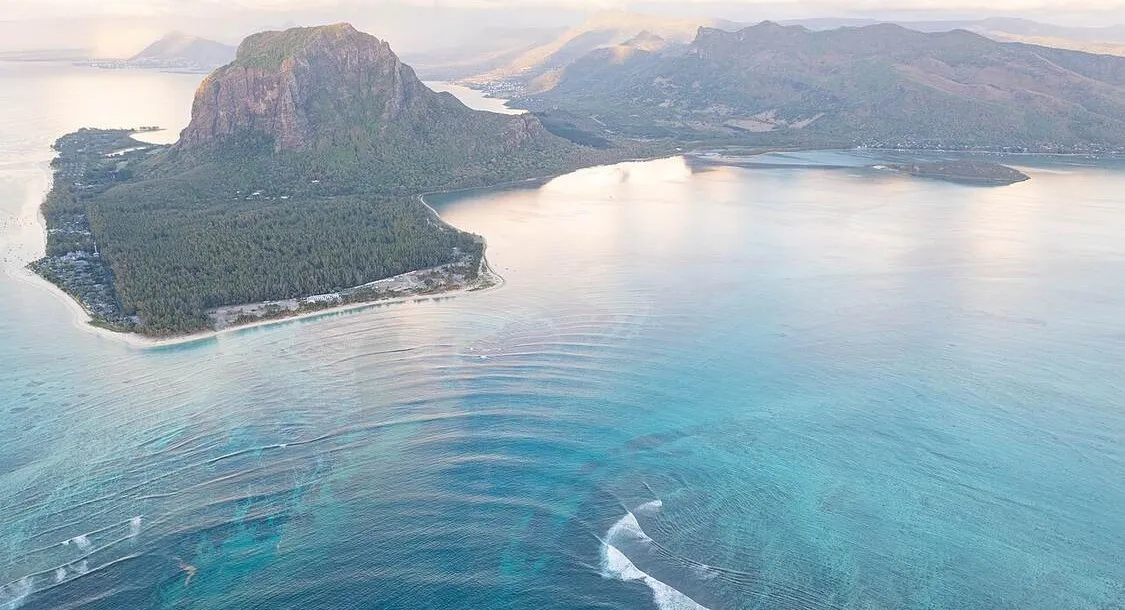
Mauritius sits off Africa's east coast with nearly 250 coral and hydrozoan species woven into the island's economic and ecological fabric. The reefs support fisheries worth billions, provide homes for a quarter of the nation's sea life, and anchor livelihoods for both humans and fish. Since 1998, the islands have endured five major bleaching events. Each one has taught marine scientists that old restoration methods—simply cloning fragments from hardy colonies—won't cut it anymore.
We're a new kind of news feed.
Regular news is designed to drain you. We're a non-profit built to restore you. Every story we publish is scored for impact, progress, and hope.
Start Your News DetoxThe government and UN began funding new approaches. Organizations like the Mauritius Oceanography Institute, the University of Mauritius, and Odysseo Oceanarium shifted focus: instead of restoring damaged reefs, they'd breed corals engineered for survival.
How it works
Corals reproduce in a window of hours, once a year, across entire reefs in perfect synchronicity. For decades, this made breeding them feel impossible. But global advances in predicting spawning events changed that. Odysseo's team now times coral reproduction carefully, collects eggs and sperm by boat during those brief windows, and raises the larvae in protected nurseries. They select phenotypes—the corals that thrive in warmer water—and breed them forward.
The numbers from Nazurally's summer study are striking. Millepora, a hydrozoan genus similar to coral, showed 99.8% survival during the bleaching event. Compare that to 88% for average corals and 10% for corals bred the old way without heat-resistance selection. The difference between survival and collapse.
The research also tested where to place nurseries. Floating platforms midway down the water column protected young corals from sedimentation in high-traffic tourist zones. Seabed nurseries worked better in quieter areas. Small details, but they matter when you're scaling restoration across an entire island nation.
What's next
Mauritius now has proof that heat-resistant breeding isn't theoretical. With ocean temperatures still rising, the island's marine science community is positioning itself as a model for other nations watching their own reefs disappear. The work continues—not as a rescue mission, but as an adaptation strategy that might let these ecosystems persist.