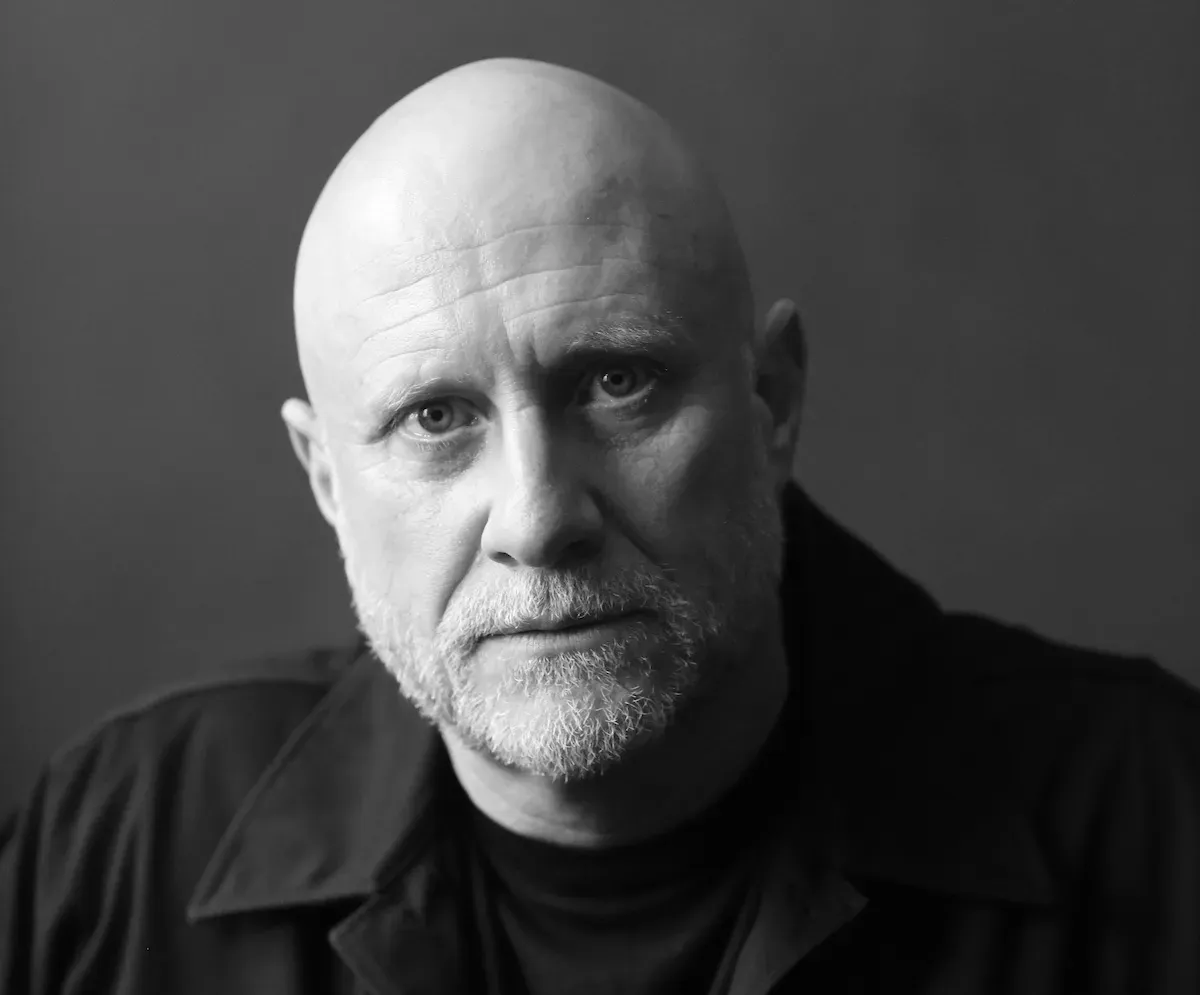
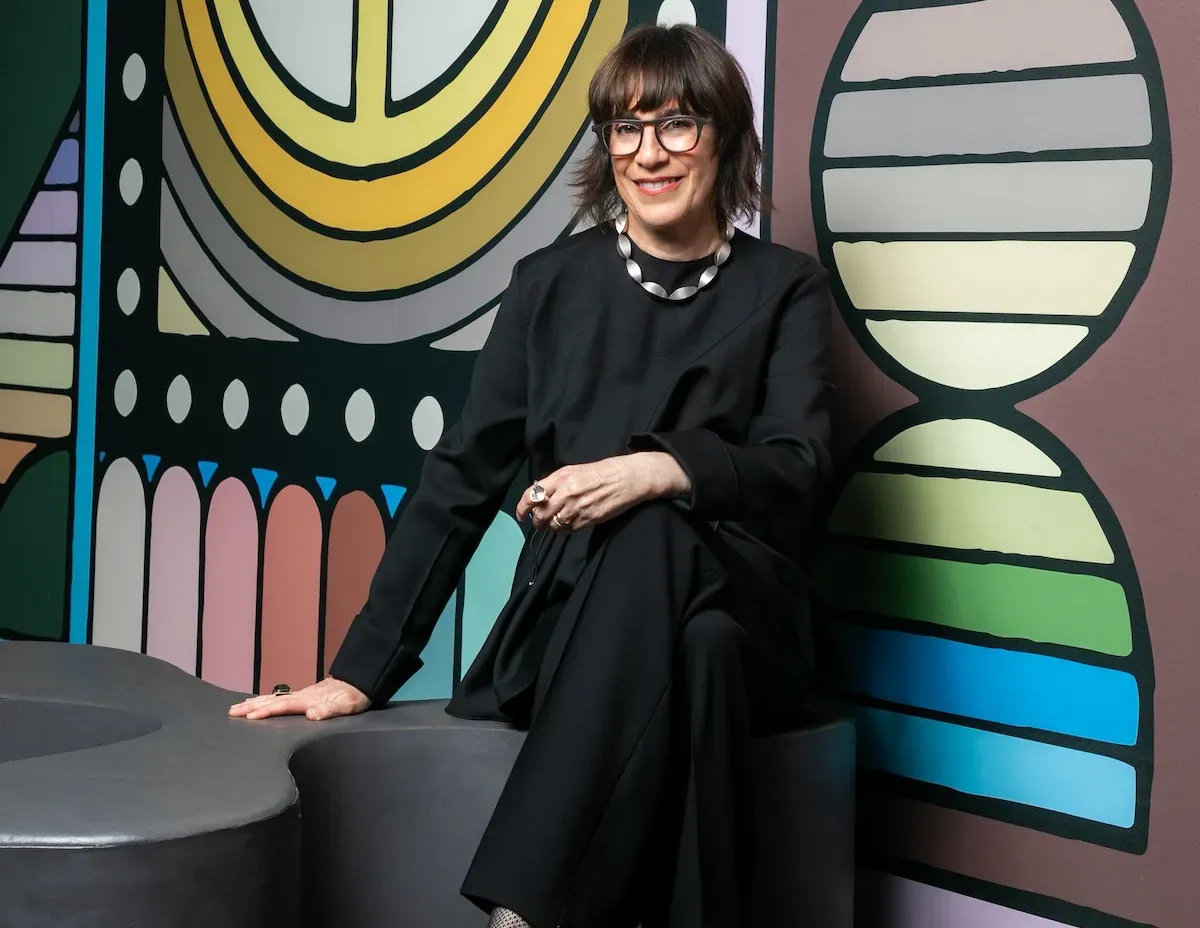
Madeleine Grynsztejn, the director who helped turn Chicago's Museum of Contemporary Art (MCA) into a global powerhouse, is stepping down. After 18 years, she's leaving a legacy that includes wildly popular art shows, a doubled budget, and a collection that grew by hundreds of major artworks. Talk about going out on a high note.
Grynsztejn is moving on as the MCA heads into its 60th anniversary next year. She wants to focus on supporting artists directly, which sounds like an exciting next chapter. Her time at the museum saw huge retrospectives for artists like Takashi Murakami, Virgil Abloh, and Howardena Pindell. She even brought the first U.S. survey of Yoko Ono's work to Chicago.
She was also the force behind shows like the 2016 Kerry James Marshall exhibition, which later traveled to the Met in New York. Marshall himself praised Grynsztejn for expanding the museum's reach while keeping its artistic standards sky-high. And get this: she doubled the museum's operating budget during her tenure. That's a serious feat.
We're a new kind of news feed.
Regular news is designed to drain you. We're a non-profit built to restore you. Every story we publish is scored for impact, progress, and hope.
Start Your News DetoxSeriously Cool Acquisitions and Inclusivity
One of the biggest wins was a 2022 gift from Greek collector Dimitris Daskalopoulos. He donated about 100 works, many co-managed with the Guggenheim. Imagine seeing pieces by Robert Gober and Louise Bourgeois in Chicago. Local collectors Marilyn and Larry Fields also chipped in 79 artworks and $2 million. These gifts weren't just about quantity; they were about diversifying the collection, making it more reflective of the world we live in.
Grynsztejn, who grew up feeling like an outsider in places like Peru and Venezuela, pushed hard for inclusivity. The MCA now aims for at least 50% representation for women artists in all new acquisitions and programs. That's a bold move, and it's working: over half the art bought since 2020 is by women. That's a big deal in a world where women artists are often underrepresented.
Of course, it wasn't all smooth sailing. There were challenges, like employee concerns in 2021 and pandemic-related layoffs. But even then, Grynsztejn steered the museum to voluntarily recognize its union in 2024—a first for a Chicago art institution. It's a reminder that sticking to your principles, even when things get tough, can lead to real change.
The MCA board is now looking for a new director. But Grynsztejn's impact will be felt for years to come. As she puts it, artists are "our true north," and it's clear she never lost sight of that.