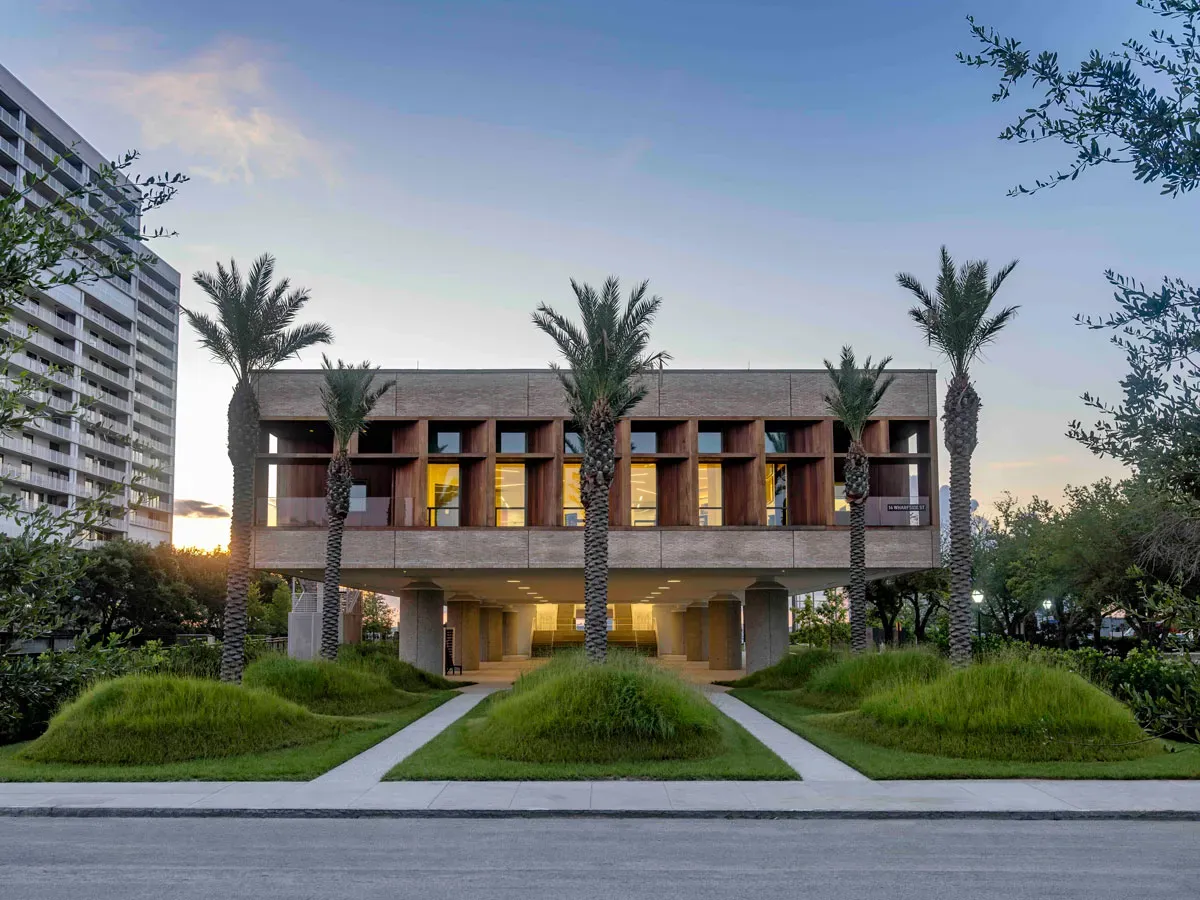
The International African American Museum (IAAM) in Charleston, South Carolina, has acquired 15 daguerreotypes. These photos, from 1850, are believed to be the earliest known images of enslaved Americans.
The seven enslaved people in the photographs are Alfred, Delia, Drana, Fassena, Jack, Jem, and Renty. Renty and Delia were father and daughter, as were Jack and Drana. J. T. Zealy took these images in South Carolina over 175 years ago. The daguerreotypes show each person from the waist up, shirtless, in both frontal and profile views.
A New Home for Historical Images
Louis Agassiz, a 19th-century natural historian and Harvard professor, commissioned these photos. He used them to promote racist ideas about Black people. Harvard University owned the photographs until recently. They were rediscovered in Harvard's collection in 1976.
We're a new kind of news feed.
Regular news is designed to drain you. We're a non-profit built to restore you. Every story we publish is scored for impact, progress, and hope.
Start Your News DetoxThe IAAM held a reception to welcome the photographs. The museum plans to care for them in a way that changes their meaning. They will go "from instruments of pseudoscience into portraits honoring the lives" of the seven enslaved people.
Tonya M. Matthew, IAAM president and CEO, said the museum is honored to care for these images. She noted that preserving African American history is their mission. She believes the full story of these images will be "transformational." It will shift the narrative to focus on "trauma, resilience, self-determination, and authentic, empathetic memory."
The Legal Battle and Settlement
Tamara Lanier, a descendant of Renty and Delia, fought a six-year legal battle with Harvard. Her genealogy research showed her connection to them. In 2019, Lanier sued Harvard in Massachusetts, claiming the images were her rightful property.
The lawsuit called the images "spoils of theft." It argued that enslaved people could not give consent for the photos. Benjamin Crump, a civil rights attorney on Lanier's team, called the case "unprecedented." He believed Renty's descendants might be the first to reclaim property rights for enslaved ancestors.
The Massachusetts Supreme Judicial Court ruled against Lanier's ownership claims. However, Harvard settled to give the images to another institution. The IAAM was chosen, and the transfer happened in late 2025. A Harvard spokesperson said the university also gave money to the IAAM. This was "to honor their legacies and humanity."
The IAAM opened in 2023 after more than two decades of planning. It sits on Gadsden’s Wharf, where over 40% of captive Africans entered North America.
Lanier stated that this moment returns these formerly enslaved people "to the community and to the history from which they were so wrongfully extracted." She called it "a final fitting resting place."
Displaying the Stories
The IAAM also received 15 reproductions of the daguerreotypes in 2022. Daguerreotypes are unique and fragile, so they are kept "under strict conservation standards."
The museum plans to display the reproductions in October. They will use "a trauma-informed framework." This approach prioritizes "people-first language" and focuses on the humanity of those pictured. It moves away from the pseudoscientific purpose of the original images.
Malika N. Pryor, IAAM’s chief learning and engagement officer, said it is an honor to feature Alfred, Delia, Drana, Fassena, Jack, Jim, and Renty. She called it "more than a homecoming; it is a homegoing." She believes their ancestors will finally be "properly laid to rest and cared for."