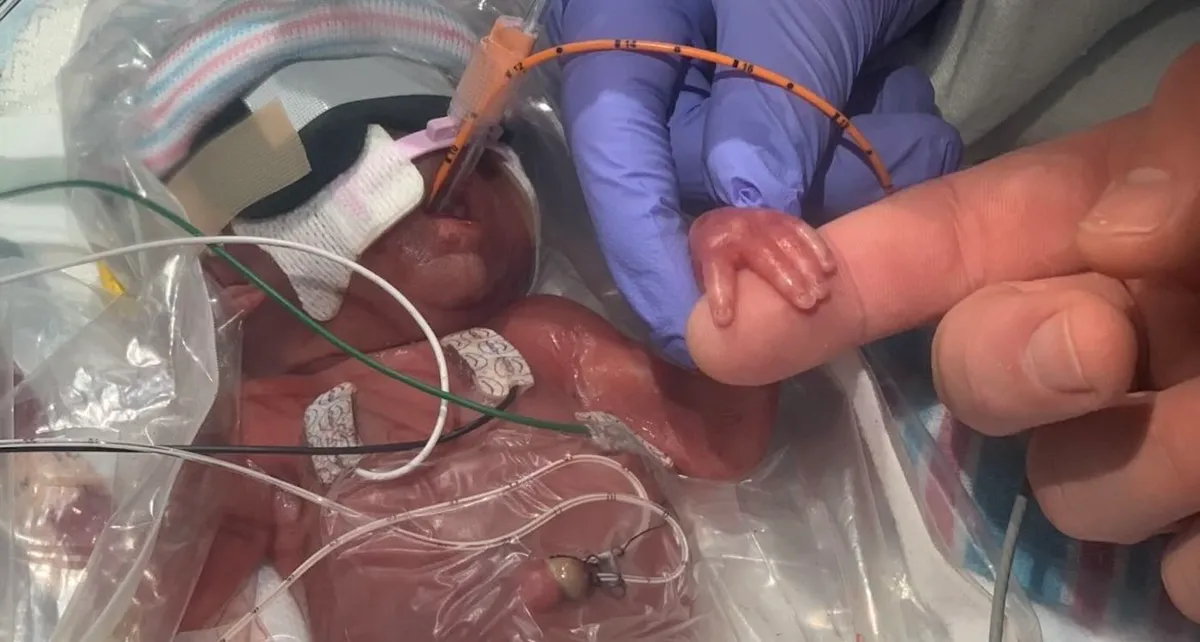
Gabriel Golden weighed one pound when he was born at 22 weeks gestation in September 2024. His hand was so small his father Garreth could barely feel it in his palm. A year later, after nearly 365 days in Vanderbilt's NICU in Nashville, Tennessee, Gabriel came home.
The journey there wasn't straightforward. Caroline, Gabriel's mother, started bleeding at 14 weeks pregnant. For eight weeks, doctors warned daily that she might lose the pregnancy. At 18 weeks, her water broke—far too early for the baby to survive outside the womb. The couple waited in a strange limbo until 22 weeks, when doctors said they could try to intervene if labor started.
It did. An emergency delivery put both mother and son at risk, but Gabriel made it. He needed a breathing tube immediately, and he needed it to work.
We're a new kind of news feed.
Regular news is designed to drain you. We're a non-profit built to restore you. Every story we publish is scored for impact, progress, and hope.
Start Your News DetoxThe Long Fight
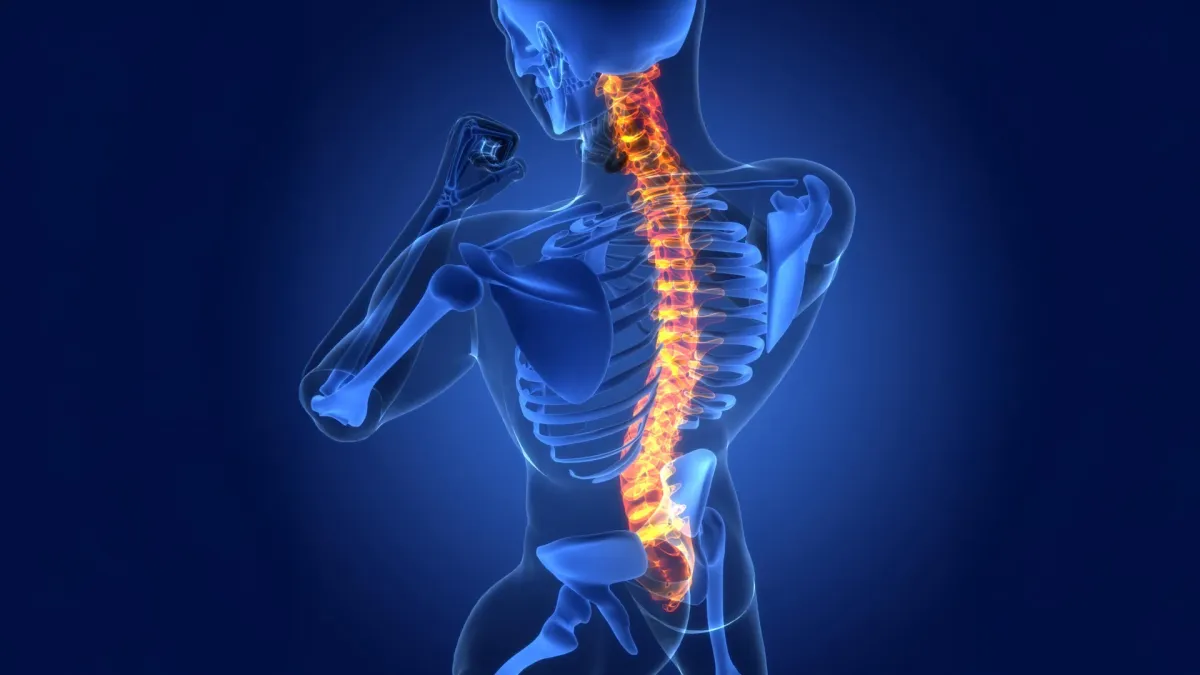
What followed was a year of complications that would have broken most families. Gabriel developed severe bronchopulmonary dysplasia, a chronic lung disease that scarred and stiffened his lungs. His parents said goodbye to him three separate times in his first six weeks—each time thinking he wouldn't survive the night. Pneumonia came and went. Eventually, doctors determined he would need a tracheostomy, a breathing tube inserted directly into his windpipe, just to have a chance at life outside the hospital.
Garreth drove three hours each way to work every day to keep their health insurance and pay bills. Caroline lived at the hospital bedside. Their church community stepped in with financial support. Four primary nurses at Vanderbilt became like family.
When Garreth held those impossibly small fingers, he felt something unexpected: strength. "The strength those tiny fingers held left me speechless," he said.
Gabriel is home now, still with the tracheostomy, still managing respiratory challenges. But he's developmentally on track. His brain is intact. His body, aside from his lungs, is working as it should.
What struck Garreth most wasn't Gabriel's survival—it was perspective. Walking through the children's hospital, seeing other families fighting their own battles, he felt something shift. "It hits you like a wave of gratitude when you see some of the things going on with these children," he said.
Caroline, who had always dreamed of being a mother, found her faith transformed by the ordeal. "I was thrust into a situation where my faith was the only thing I had to cling to. Now it's stronger than I ever thought it could be."
Gabriel's story isn't about a miracle that erased all complications. It's about a family and a medical team that refused to accept the worst outcome, and a one-pound boy whose grip turned out to be stronger than anyone expected.