A new capsule from MIT engineers does something simple but potentially powerful: it confirms the moment a medication enters your body. The pill contains a biodegradable antenna that sends a radio signal shortly after you swallow it, then safely dissolves in your stomach. For patients who need to take medication consistently—organ transplant recipients on immunosuppressants, people with HIV or tuberculosis—this small piece of technology could make a real difference.
Missed doses are a quiet crisis in medicine. Every year, medication non-adherence contributes to hundreds of thousands of preventable deaths and costs health systems billions in emergency care and complications. The problem isn't usually that patients don't want to take their medication. It's that life gets messy: a busy morning, a travel day, simple forgetfulness. For conditions where consistency matters most, those gaps can be serious.
"The question becomes: What else can we do to help the person and help their health care providers ensure that they're receiving the medication?" says Giovanni Traverso, an MIT mechanical engineer and gastroenterologist at Brigham and Women's Hospital. His lab has previously developed capsules that stay in your digestive system for weeks, slowly releasing medication. But that approach doesn't work for every drug. This new system takes a different angle: leave the medication unchanged, just add a way to verify it was taken.
We're a new kind of news feed.
Regular news is designed to drain you. We're a non-profit built to restore you. Every story we publish is scored for impact, progress, and hope.
Start Your News Detox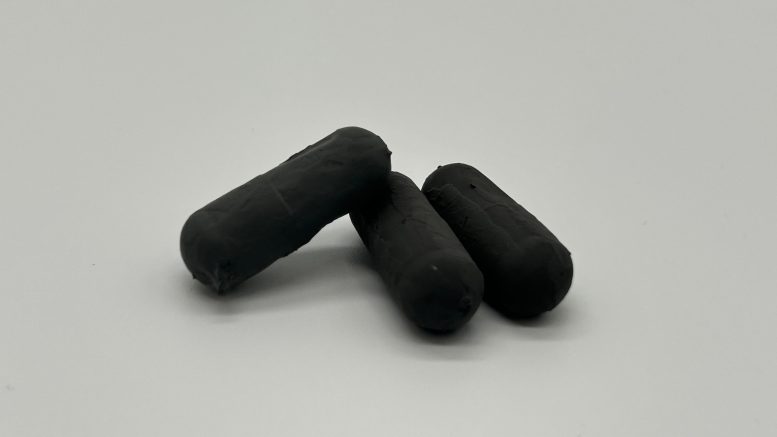
How a pill learns to talk
The engineering challenge was to design something that sends a signal from inside your stomach without leaving permanent hardware behind. Earlier radio frequency pills used materials that didn't break down, meaning the whole device had to pass through intact—a blockage risk that limited their use.
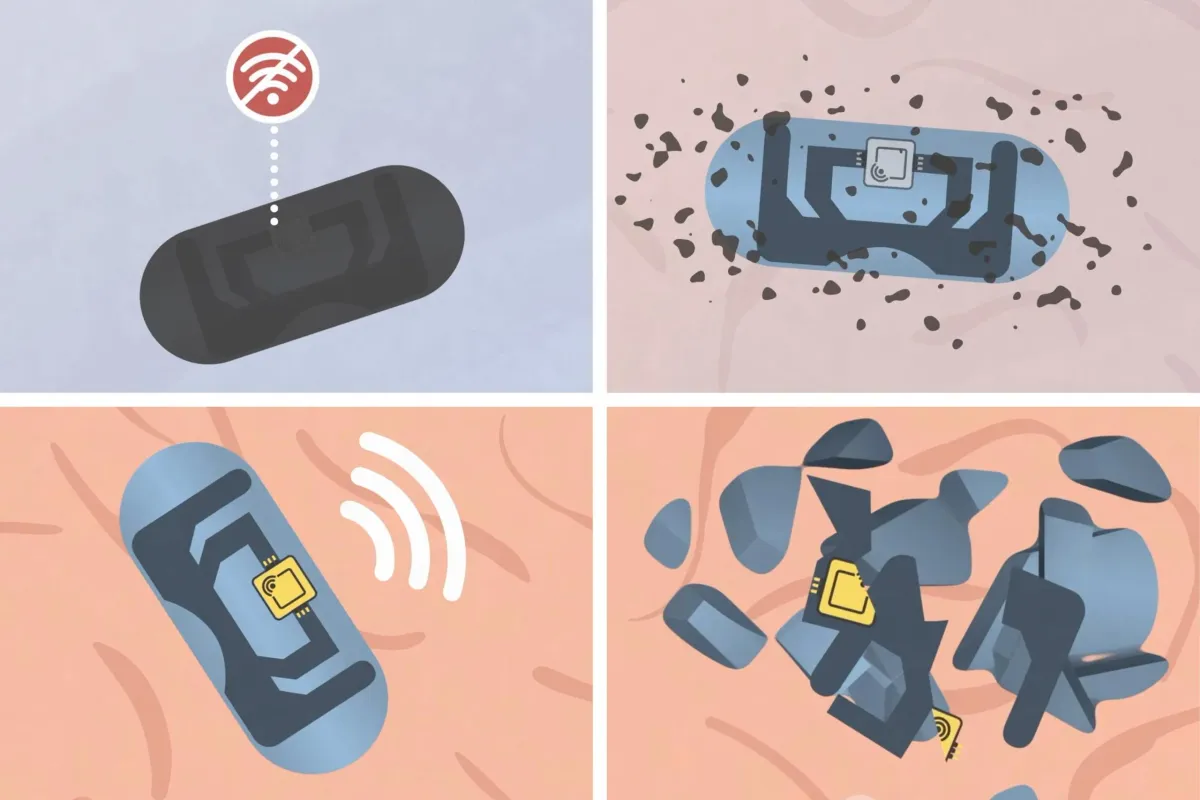
MIT's team chose materials with strong safety records: zinc and cellulose for the antenna, gelatin for the capsule shell. The antenna sits inside alongside your actual medication, wrapped in a coating of gelatin and either molybdenum or tungsten. This coating blocks any signal until the pill dissolves.
Once you swallow it, the coating breaks down within about 10 minutes. The antenna and drug are now free. An external device sends a signal, and the antenna—with help from a tiny RF chip—sends back confirmation that the pill has been taken. The antenna dissolves in your stomach over roughly a week. The RF chip, about 400 by 400 micrometers, doesn't break down and exits naturally through your digestive system.
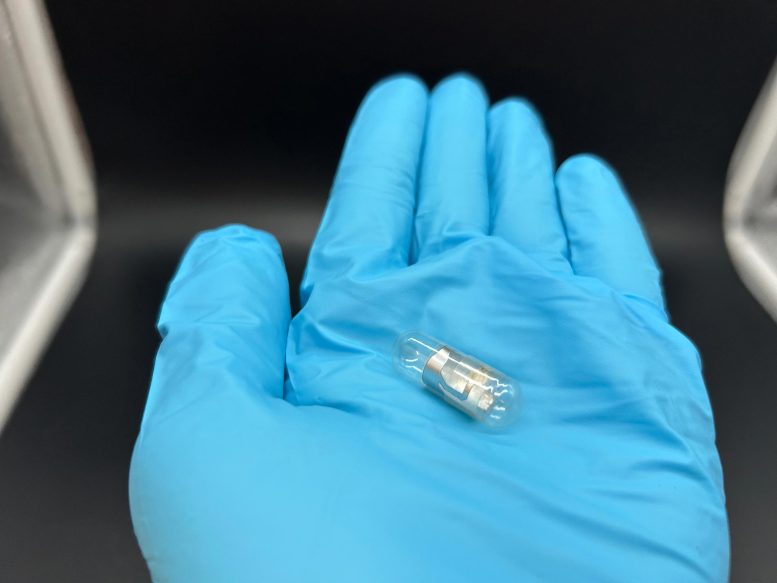
In animal tests, the signal traveled up to 2 feet and was reliably detected by an external receiver. The researchers imagine a wearable device that picks up the signal and shares the information with your doctor—real-time confirmation that the dose was taken, without requiring you to remember to report it.
Who benefits first
The team is planning human trials, starting with the patients where missed doses carry the highest stakes. Organ transplant recipients are an obvious first group—missing even a few immunosuppressant doses can trigger rejection. People with tuberculosis, HIV, or recently placed stents also fit the profile: conditions where consistent medication is non-negotiable, and the consequences of lapses are severe.
This isn't a solution for everyone. It won't work for people who genuinely can't swallow pills, and it adds cost to medication. But for someone whose health depends on reliability, and whose memory or circumstances sometimes fail them, a pill that proves it was taken could be the bridge between good intentions and actual health.
The technology is moving toward clinical testing, with safety evaluations continuing as it advances.