Imagine moving your fingers, and a robot hand across the room perfectly copies you. Or playing a game in virtual reality, and your digital hand actually feels like your hand. That's exactly what MIT engineers just made possible with a clever new wristband.
This isn't just another motion tracker. It uses ultrasound, like the kind doctors use, to see inside your wrist. It watches your muscles and tendons as they move. Then, a smart AI instantly translates those internal shifts into 22 different ways your fingers and palm can move.
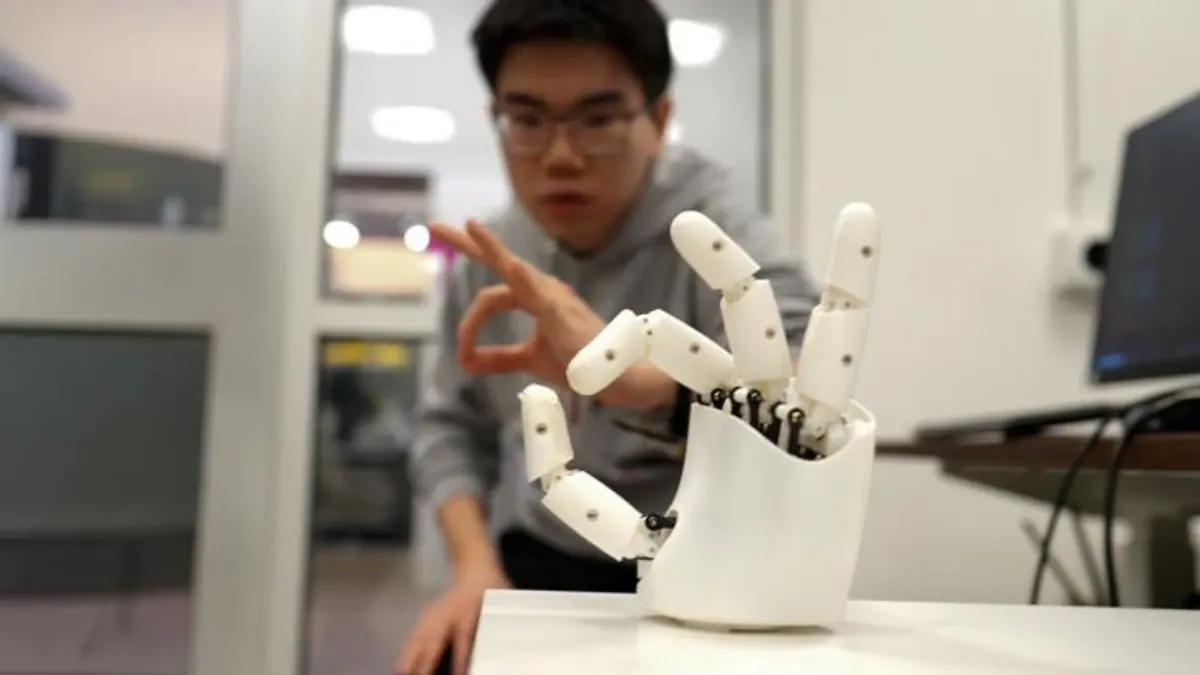
Think of it like this: your tendons are like puppet strings for your fingers. This wristband takes a picture of those strings to know exactly what your hand is doing. That's pretty nuts, right?
We're a new kind of news feed.
Regular news is designed to drain you. We're a non-profit built to restore you. Every story we publish is scored for impact, progress, and hope.
Start Your News DetoxOld ways of tracking hands had issues. Cameras get blocked. Sensor gloves feel clunky. But this new wristband, about the size of a smartwatch, just sits on your wrist. It constantly takes detailed ultrasound images, seeing beneath your skin to understand every tiny flex.
The AI learned by watching people make specific hand movements while also seeing the ultrasound images. It figured out which internal patterns matched which finger angles. Now, it can instantly decode those patterns for anyone.
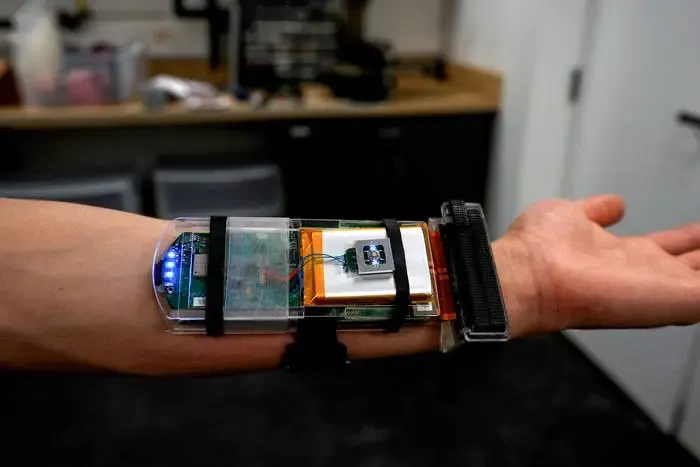
They tested it on volunteers, and it nailed it. It accurately predicted 26 different American Sign Language signs. It even tracked subtle grips, like holding scissors, a tennis ball, or a pencil. That shows it works reliably for different people and complex tasks.
Control a Robot, Play a Game
This tech isn't just for showing off. MIT engineers used it to control things in both virtual and real worlds. Users could zoom and move virtual objects on a screen with natural pinching and grasping.
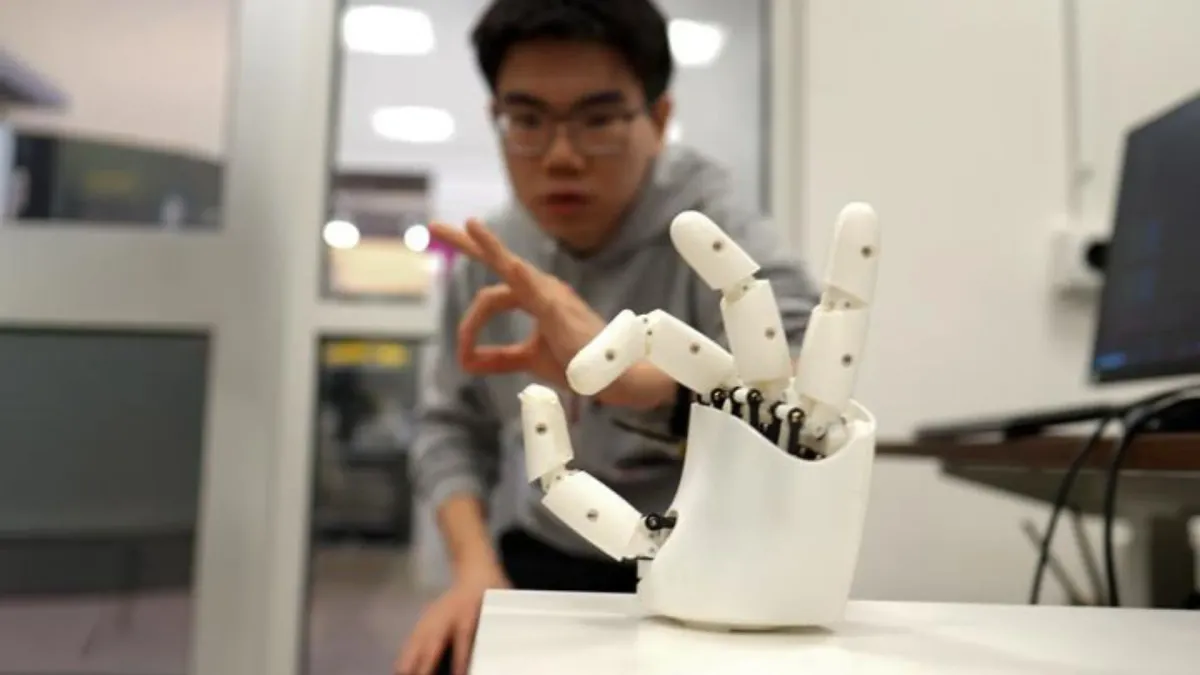
And for robots? It’s like being a digital puppeteer. People used the wristband to play a piano tune and even a desktop basketball game with a robotic hand. The robot mirrored their finger movements instantly, from a distance.
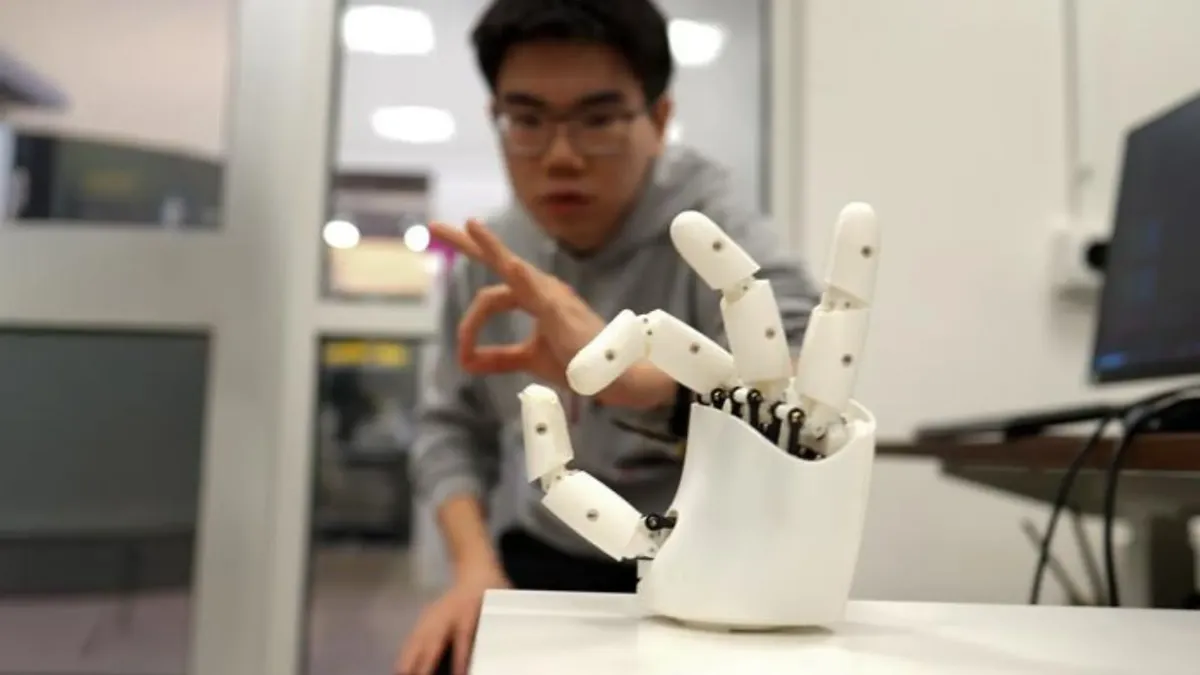
This is a huge step for making virtual reality feel more real. It also opens up big possibilities for training advanced robots. Imagine robots learning delicate tasks like surgery or complex manufacturing by perfectly copying human precision. It's like giving robots a direct line to human dexterity.