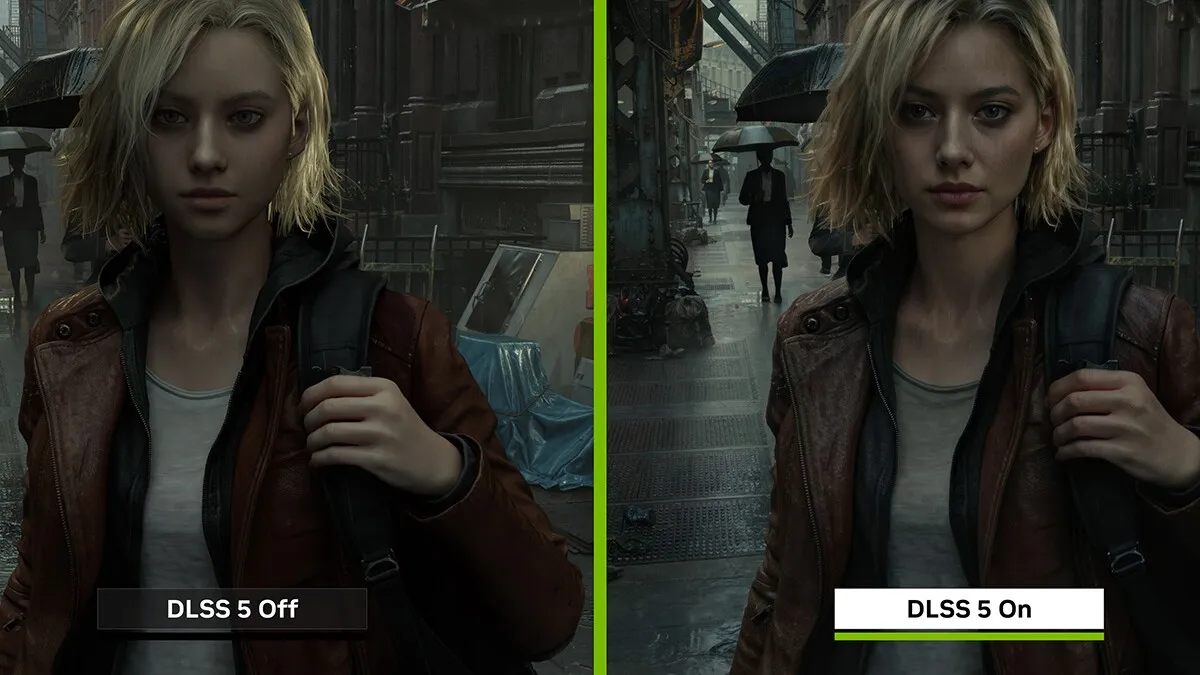
Nvidia just dropped a new AI graphics tool, DLSS 5, that's supposed to make games look mind-blowingly real. Think "photoreal lighting and materials" added to every pixel. Nvidia's CEO even called it a "GPT moment for graphics," claiming it's their biggest leap since 2018.
But here's the thing: gamers are already seeing some strange stuff. Instead of perfect visuals, some are calling it "AI slop." Imagine characters in Starfield or Resident Evil Requiem with faces that are just a little too sharp, or a cauldron in Hogwarts Legacy looking oddly out of place.
So, What's DLSS 5 Supposed to Do?
Older versions of DLSS were clever. They used AI to boost game performance, like creating extra frames so your game felt super smooth, even with older hardware. DLSS 4.5, for example, could generate five extra frames for every one your graphics card made. That's a serious upgrade when hardware costs a lot.
We're a new kind of news feed.
Regular news is designed to drain you. We're a non-profit built to restore you. Every story we publish is scored for impact, progress, and hope.
Start Your News DetoxDLSS 5 takes a different approach. It uses an AI model to invent lighting and materials for frames, aiming for perfect consistency even on huge 4K screens. The idea is to make everything look incredibly realistic, keeping a developer's artistic vision intact.
But the early feedback shows the AI is sometimes getting a little too creative. It's adding details that weren't there before, which can make things look unnatural. Dark, moody scenes can suddenly appear brighter, changing the whole vibe of a game.
Nvidia says developers will have control over these AI effects, letting them tweak things like intensity and color. DLSS 5 is set to roll out this fall, with big titles like Assassin's Creed Shadows and Where Winds Meet on board.
Hopefully, Nvidia and game studios will use player feedback to iron out these "AI slop" moments before the tech goes wide. Because when it works, this kind of AI could seriously change how beautiful our games can be.