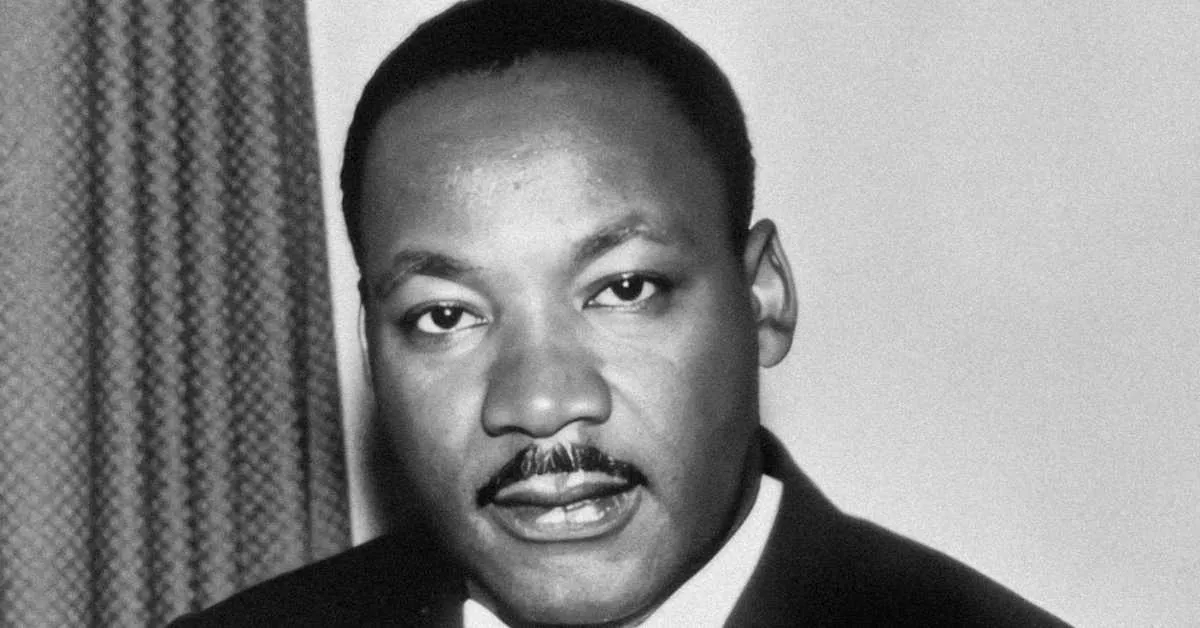
Martin Luther King Jr. has been claimed by everyone from Black Lives Matter organizers to Ukrainian President Volodymyr Zelenskyy since his assassination in 1968. His words get quoted in classrooms and protests, sometimes by people with entirely opposing views. But one pillar of his actual philosophy gets less attention than it deserves: his belief in pluralism — the idea that people from different faiths and backgrounds could work together, acknowledge their differences, and build what he called the "Beloved Community."
King didn't arrive at this vision alone. His mentor, Howard Thurman, founded the Church for the Fellowship of All Peoples and traveled to India to meet Mahatma Gandhi. When Mordecai Johnson, president of Howard University, returned from India in 1949 and gave a sermon about Gandhi's nonviolent resistance, it shifted something fundamental in King's thinking. He began to see wisdom not just in the Black Church tradition that shaped him, but in Buddhist teachers like Thich Nhat Hanh, in Hindu philosophy, in the Greek classics — across continents and faiths.
This wasn't abstract theology. It showed up in the 1965 March on Selma, where marchers included Black ministers and Catholic priests, Unitarian Universalists, and Jewish rabbis like Abraham Joshua Heschel. The coalition worked because King believed the fight for justice transcended any single religious tradition.
We're a new kind of news feed.
Regular news is designed to drain you. We're a non-profit built to restore you. Every story we publish is scored for impact, progress, and hope.
Start Your News DetoxThe great world house
King used vivid language to describe this interconnected vision. He called the world "the great world house" — a place where all people and all faiths lived together, whether they acknowledged it or not. He drew parallels between the discrimination faced by Indian Dalits and the oppression of African Americans. "I am an untouchable," he said, recognizing how injustice in one place rippled everywhere. He saw the farm workers' movement and civil rights as part of the same struggle.
He also supported the Supreme Court's decision in Engel v. Vitale, which banned school-sponsored prayer — a position that put him at odds with segregationists like Alabama Governor George Wallace. For King, pluralism meant protecting space for all beliefs, including the belief in none.
What King wanted was for people to embody the deepest values of their own faith or moral code, whatever that was. Religion at its best, he argued, promoted peace, understanding, love, and goodwill. "This is true of all of the great religions of the world," he wrote.
Sixty years later, his vision remains mostly unrealized. Poverty persists. War continues. Black Americans still face threats to their safety. Yet movements for justice today — from climate action to labor organizing to racial equity work — often operate on the pluralist principle King outlined: that people with different beliefs can find common ground on shared values.
The real question isn't what King meant. It's what we mean by invoking him. What world are we actually building?