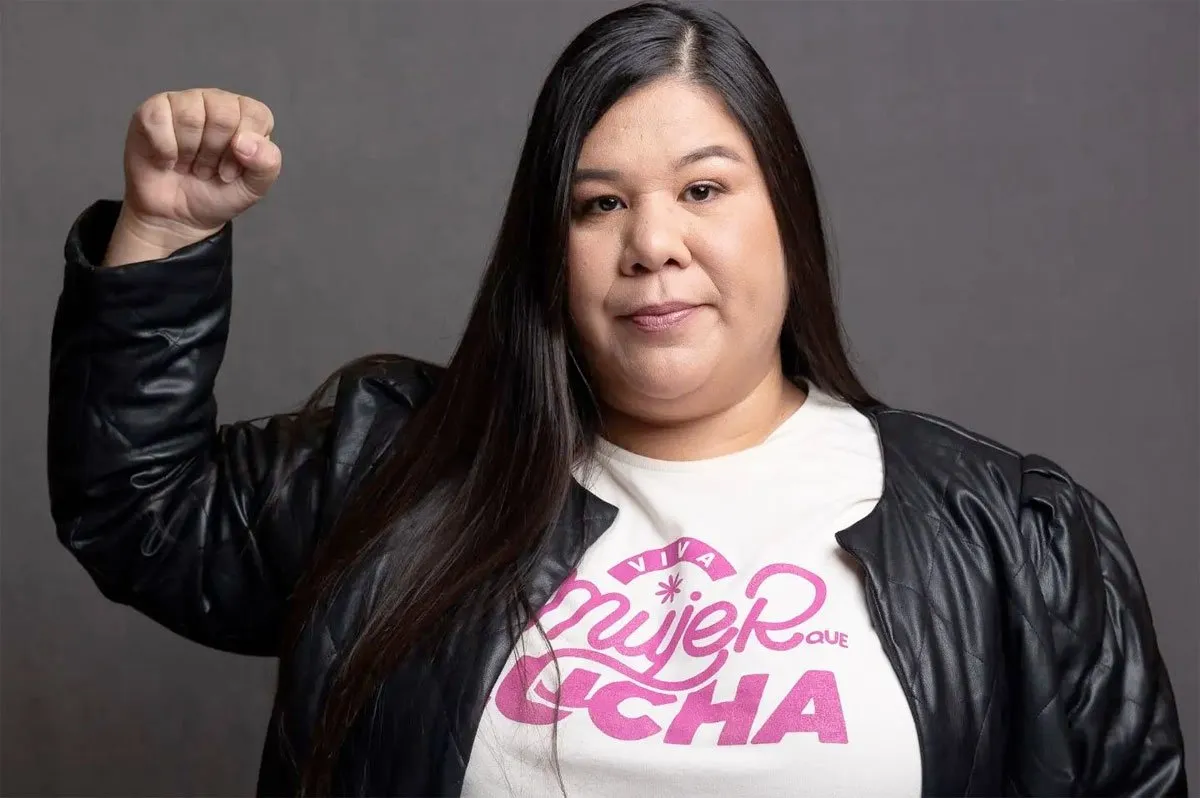
Mónica Ramírez has spent a lifetime making sure we see the people behind our food, not just the food itself. As a civil rights attorney and head of Justice for Migrant Women, she’s been collecting awards like they’re going out of style. In 2022, she snagged a James Beard Leadership Award for "The Humans Who Feed Us" — a project that does exactly what it says on the tin: shares the very human stories of food system workers. Then, just this past February, she picked up an Elevate Prize for her fierce work against gender-based violence. Because apparently, one award just wasn't enough.
Her drive? It’s deeply personal. Ramírez’s own family spent generations as migrant farmworkers. Their lives took a turn when Ohio farmers offered them stability, allowing her parents to trade field work for other jobs and Mónica to swap the fields for a classroom. Breaking that migrant cycle, she says, was a quiet seismic shift that shaped everything.
More Than Just a Job
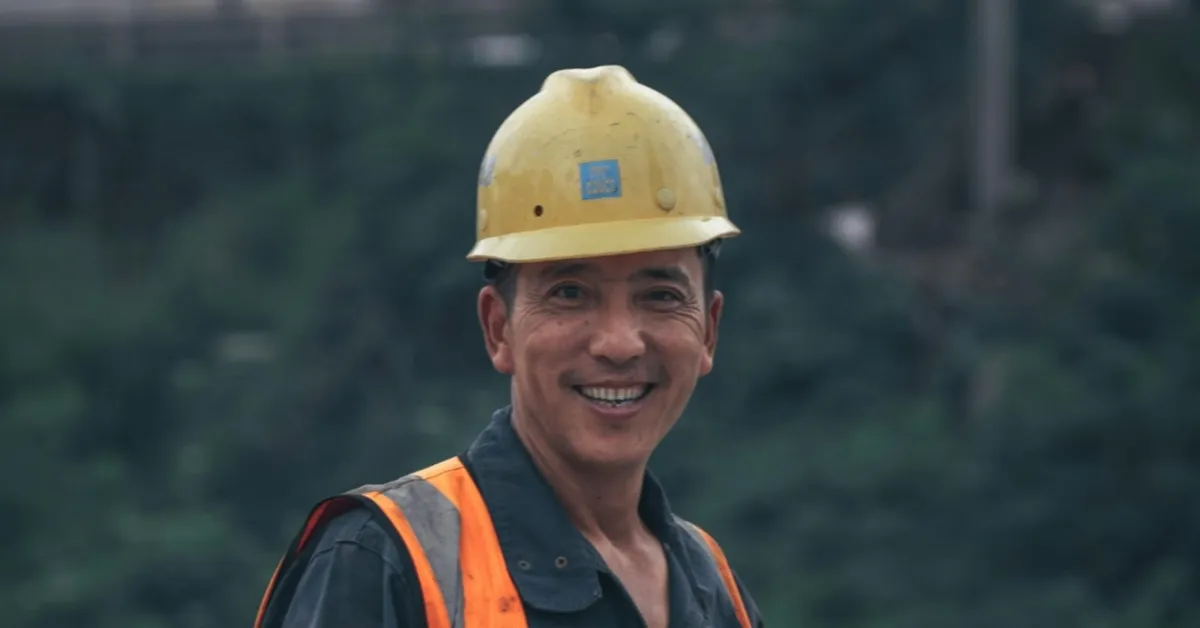
"The Humans Who Feed Us" was born from a simple, profound idea: change the narrative. Instead of focusing solely on the struggles of farmworkers, Ramírez wanted to highlight their dreams, their faces, their humanity. The hope? That by seeing their portraits and hearing their aspirations, we'd connect with them as people, not just as cogs in the food machine. Maybe even find some shared dreams along the way. Which, if you think about it, is both impressive and slightly terrifying for anyone who thought their only dream was a weekend.
We're a new kind of news feed.
Regular news is designed to drain you. We're a non-profit built to restore you. Every story we publish is scored for impact, progress, and hope.
Start Your News DetoxWhat she found wasn't entirely surprising: many came to the U.S. fleeing violence or poverty, seeking a better life. They're grateful for opportunities, but they also want to be seen, to be valued. Imagine sustaining everyone and feeling invisible. It’s a pretty stark irony.
Ramírez argues these workers are whole people, not just their job descriptions. To focus solely on their labor is to miss the myriad ways they need support. Many still lack basic rights like overtime pay or the right to unionize. Waiters? Still largely dependent on tips. This isn't just about charity; it's about justice that's been denied for nearly 90 years. And Ramírez believes consumers are the missing ingredient in making things right.
The Power of Being a Good Neighbor
Bringing people together, Ramírez finds, often starts with common ground. Forget politics for a second; talk about being a "good neighbor," and suddenly, everyone's nodding. It’s that human-to-human connection that forms the bedrock of her success, especially in rural areas where folks know each other from church or the grocery store. This familiarity can bridge divides, even if it sometimes means getting creative to reach isolated communities.
Her work has come full circle. From a 14-year-old activist sharing her community's stories, she’s still doing just that. The urgency hasn't faded. Dehumanizing farmworkers makes it easier to exploit them, to deny them respect. It also makes it easier to ignore issues like the rampant sexual violence that has plagued the community, an issue brought back into stark relief by recent allegations surrounding César Chávez. Ramírez felt the shock, the sadness, and the acute awareness that not enough support systems exist for survivors.
One person, she emphasizes, does not make a movement. Millions have shaped the farmworker movement, with farmworkers themselves always at its core. She cautions against placing leaders on pedestals without knowing their full, complex stories. Instead, this moment is an opportunity to ensure movements live up to their own ideals and make space for a multitude of leaders.
Her hope? It lies in the very people she serves. Despite the relentless challenges and the often-negative rhetoric surrounding immigrants, they just keep going, tirelessly working for their families. Ramírez hopes society will finally recognize their power, their vision, and, crucially, never underestimate their strength. Let that sink in next time you're peeling an orange.