For a long time, dating has focused on finding "the one." There's been pressure to pair up, label relationships, and follow a traditional timeline. This often happened even if it didn't feel right for the people involved.
Now, Gen Z is changing this idea.
The newest dating trend is "wildflowering." Unlike other viral dating terms, it's quite positive. Instead of following a set relationship path, wildflowering encourages people to pay attention to what feels best for them and their partner. It's about figuring out who you are and what you want, without outside pressure or timelines.
It's the opposite of "DTR," which means defining the relationship. Instead of sticking to schedules or ultimatums, you simply let a relationship develop naturally.
We're a new kind of news feed.
Regular news is designed to drain you. We're a non-profit built to restore you. Every story we publish is scored for impact, progress, and hope.
Start Your News DetoxDating can feel overwhelming, and wildflowering offers a welcome change. However, it does have some critics.
What Is Wildflowering?
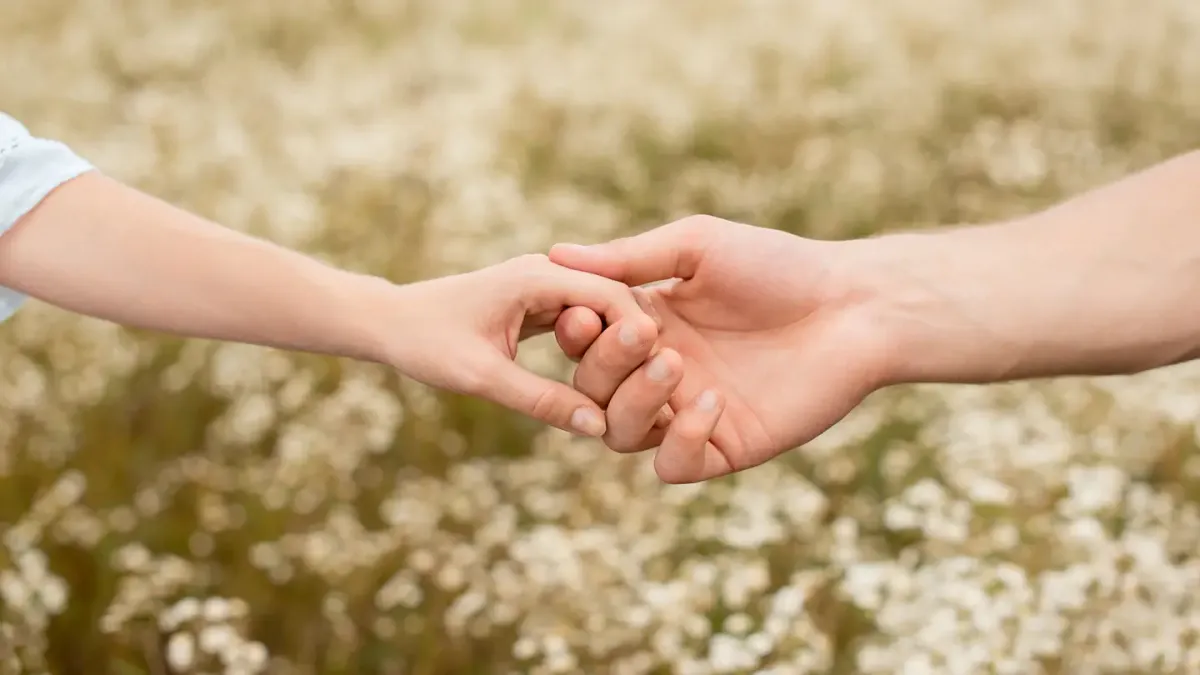
The idea comes from wildflowers, which grow naturally in fields or even in cracks in cement with little help. In dating, wildflowering means letting go of strict expectations. It's about embracing your unique self, even while sharing your life with someone else.
This doesn't mean you're against getting engaged or married. Instead, it's about moving away from the pressure to "keep up" or chase a perfect romance. It focuses on building a partnership that grows at a pace that feels right for you, based on real enjoyment and connection.
Wildflowering allows you to drop timelines, labels, and societal pressures. This way, you can date in a way that supports your specific partnership.
The Downsides of Wildflowering
While wildflowering sounds easygoing, it has downsides and isn't for everyone.
Some people argue it can be an excuse to avoid being vulnerable and honest, which are needed for a relationship to grow. Wildflowering only works if it's based on self-awareness, not on avoiding issues.
Another problem with avoiding labels and timelines is that you might lower your standards too much. You could end up in a situation you never wanted or just "coast" instead of growing with your partner.
According to Psychology Today, if you are indecisive, avoidant, or tend to stay in bad relationships for too long, wildflowering might not be the best approach. Without clear communication, it can easily become a way to avoid important talks.
On the other hand, if you tend to want immediate answers about where a relationship is going, wildflowering might help you slow down. It can encourage you to let the connection develop without forcing an outcome.
Blooming Beyond Expectations
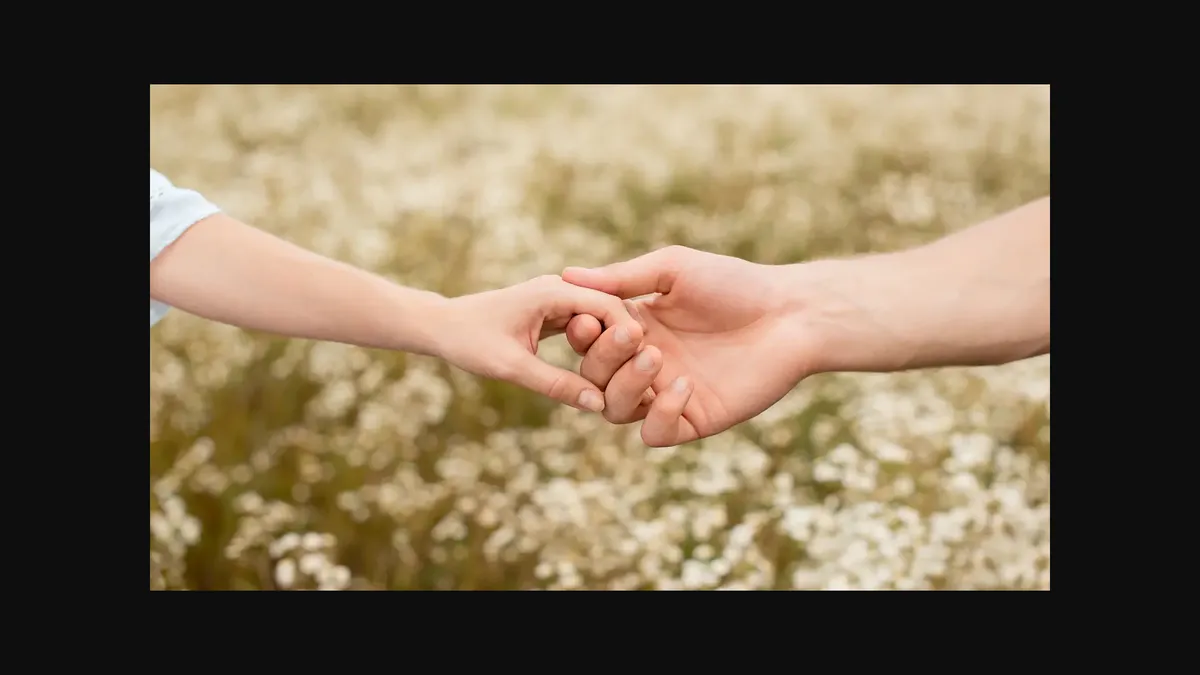
Instead of treating dating like a checklist or a race, wildflowering encourages people to focus on growth and connection at their own speed.
The main point isn't that timelines and labels are always bad. It's that true happiness with the right person, letting your relationship find its own rhythm, is more important than meeting outside expectations. In short, the healthiest relationships are built on what feels real for you and your partner, on your own terms.
Deep Dive & References
What Wildflowering Means for Dating - Psychology Today, 2024