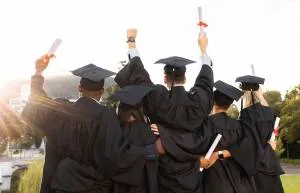
You know Gen Z. They're the generation glued to their phones, riddled with anxiety, and probably TikTok-ing their way through a global crisis. Or so the internet tells us. But what if that's not the whole story?
One mom, visiting Oberlin College for her son's graduation, brought her 82-year-old Chinese American mother along. Picture it: a tall, white college student strikes up a conversation with the petite grandma. Not only did he listen politely, but he asked thoughtful questions about her PhD in economics, specializing in demography. Let that sink in. A college kid, engaging with an octogenarian about population studies. Because apparently, that's where we are now.
More Than Just Screen Time
This unexpected encounter wasn't an isolated incident. The author, who admits to worrying about her own kids' futures and has even written a book on Gen Z's mental health struggles, found herself consistently surprised. Over the graduation weekend, she met a slew of young people who were creative, community-minded, and surprisingly open to learning from, well, anyone.
We're a new kind of news feed.
Regular news is designed to drain you. We're a non-profit built to restore you. Every story we publish is scored for impact, progress, and hope.
Start Your News DetoxResearch backs this up. Forget the stereotypes. Stanford Professor Roberta Katz found that the "typical Gen Zer is a self-driver who deeply cares about others." They crave diverse communities, thrive on collaboration, and value authenticity above all else. McKinsey & Co. even dubbed recent young workers "socially progressive dreamers" – practical types who seek purpose and genuinely care about climate change and inequality. Which, if you think about it, is both impressive and slightly terrifying given the world they're inheriting.
This year's graduation season has felt particularly grim, with a job market that bites, AI poised to eat jobs, and global conflicts simmering. It's enough to make anyone nervous. At the University of Arizona, graduating seniors reportedly booed former Google CEO Eric Schmidt when he started talking about AI. A perfectly understandable response, some might say.
Activism, Art, and Actual Conversation
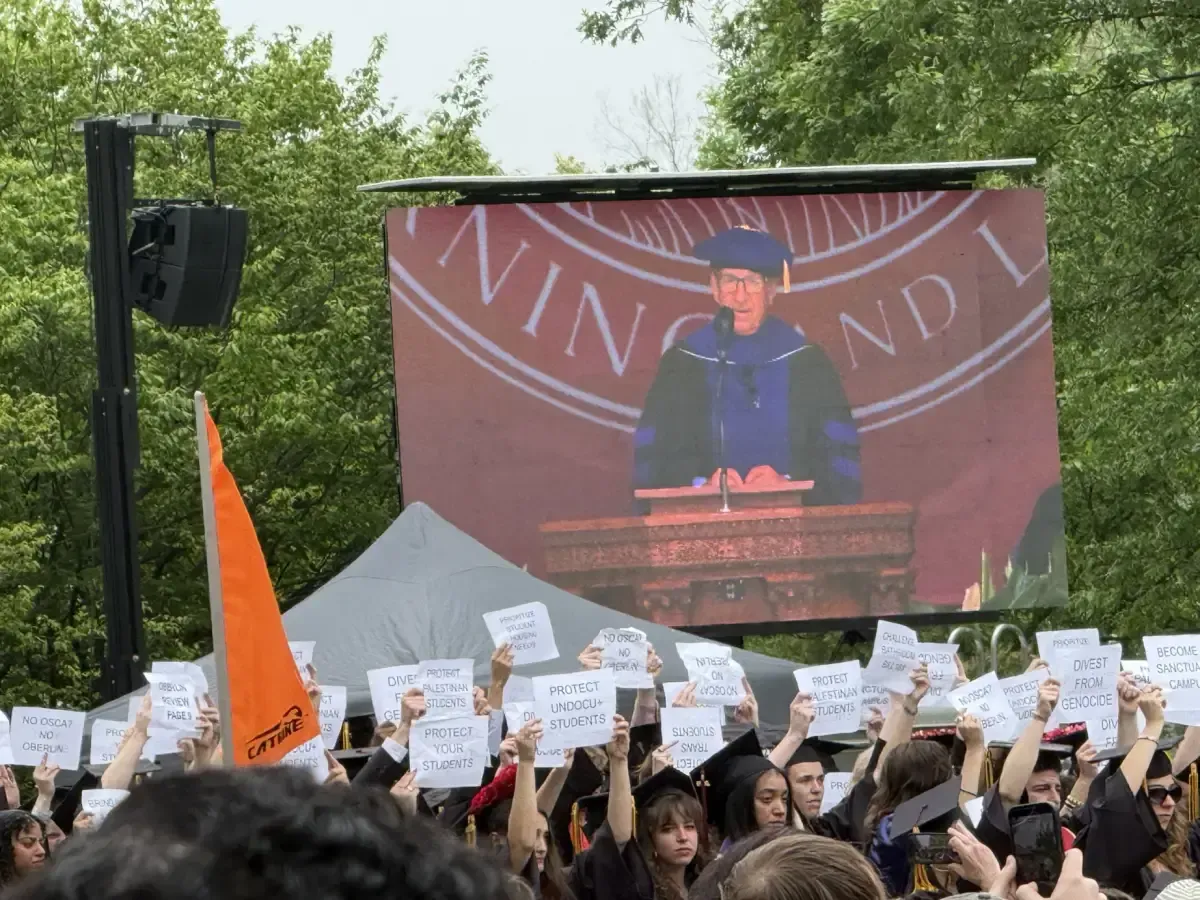
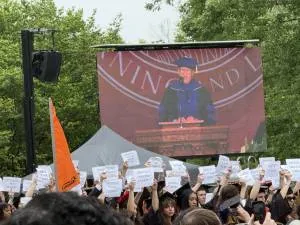
Oberlin, for its part, has a rich history of activism, being the first college to admit women and Black students. This tradition is alive and well. At this year's graduation, students turned their backs on the board of trustees chair, holding signs like "Protect Trans Students" and "Divest from Genocide." Many respectfully handed their signs to the president as they received their diplomas. It's a protest that manages to be both pointed and polite, a true Gen Z power move.
Beyond the protests, there's a deep commitment to community. The Oberlin Student Cooperative Association (OSCA), a non-profit that feeds and houses many students, operates on unanimous voting for policy changes – a process that can take a very long time, as the author's son Jamie can attest. It's a testament to their collaborative spirit, even if it means endless meetings.
Art and music were everywhere. Students showcased innovative collages, photography, and short films. One documentary about love in old age, featuring 80-year-olds discussing intimate topics, particularly impressed the author. And, in a final delightful twist, her oldest daughter noticed that students were often talking to each other, not staring at their phones. When things quieted down, card games and Scattergories emerged.

These are the young people who inspired Greta Thunberg and protested gun violence. They're creating art, taking action, and pushing society to be its best, especially when things get tough. As Rebecca Solnit points out, history can change suddenly, and sometimes, the hero isn't one person, but a whole group.
No one has a crystal ball, but with this generation of idealistic, creative, and community-minded individuals stepping up, the future might just be in good hands after all. Or at least, in hands that will actually talk to your grandma.