In India, about 30,000 teenagers turn 18 each year while living in childcare institutions. When they reach this age, they "age out" of the system and often have no one to support them.
Girish Mehta and Anisha Sharma know this struggle firsthand. Mehta had to leave his childcare institution in Jaipur at 18 with only a month to plan his future. Sharma, who grew up in a Delhi home for children with HIV and AIDS, felt unprepared when she turned 18. She said she was "mid-course, mid-dream, and on my own."
India's law states that these young adults, called "care leavers," should receive "aftercare" support until they are 21, or sometimes 23. However, most care leavers get little to no help as they enter adulthood. Veena Lal, who founded Karm Marg, a home for children at risk, noted that without guidance, many young people risk falling into difficult situations again.
We're a new kind of news feed.
Regular news is designed to drain you. We're a non-profit built to restore you. Every story we publish is scored for impact, progress, and hope.
Start Your News DetoxBuilding a Support Network
Mehta and Sharma wanted to make sure future care leavers had the support they missed. So, they created Careleavers Inner Circle (CLiC). This tech-enabled startup is run by care leavers for care leavers.
With support from UNICEF, they started by creating a database of care leavers in Rajasthan. They also built an online platform for care leavers across India to register. Most CLiC members are under 30. Today, the platform has over 3,200 members, with 14 staff and many volunteers working in four Indian states.
New members receive a care kit with a smartphone, hygiene items, and clothes. They also get access to job openings, skill-building courses, free counseling, and a supportive community.
Preparing for Adulthood
A 2019 study of care leavers found that 44% had no say in their own care plans. Sharma explained that care leavers struggle with everything from university to jobs and housing. She believes they need to make choices about their future themselves. Ideally, preparation should start around age 16, but many childcare institutions are understaffed and lack funds.
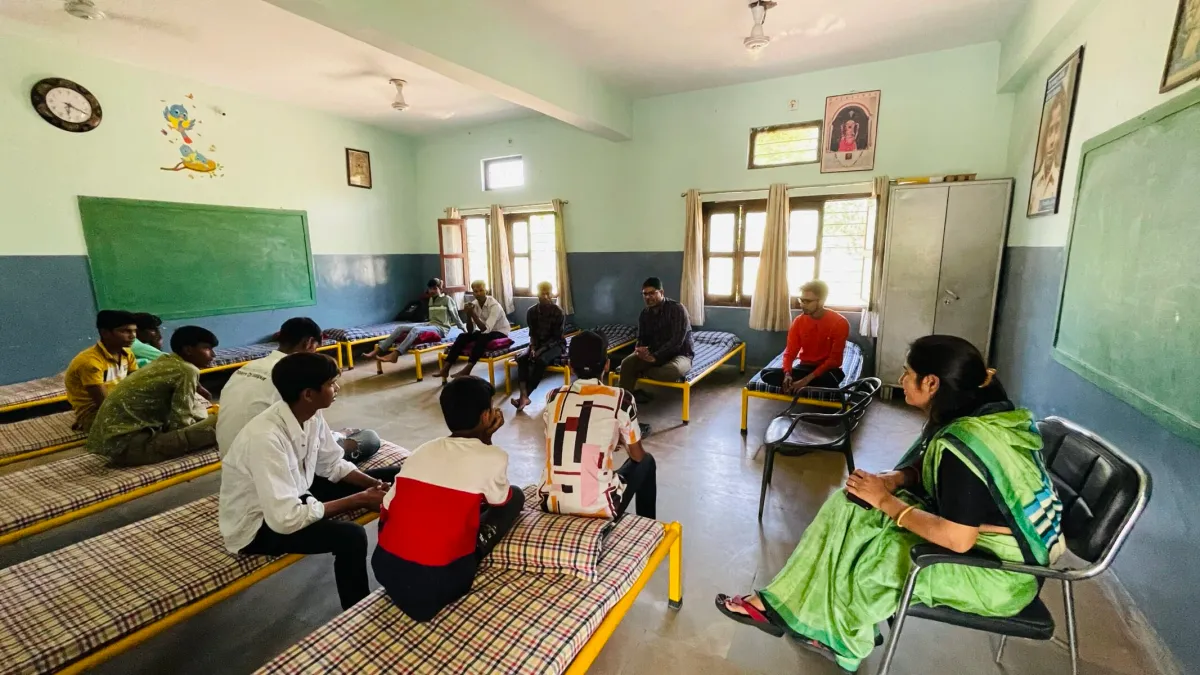
CLiC helps by running transition workshops for 16- to 18-year-olds in childcare institutions. They have helped over 1,450 children create concrete plans for their future. Mausumi Das, who leads CLiC's operations in West Bengal, shared how one boy was shocked to learn he would have no roof over his head in two months. CLiC helped him prepare and explore his options.
Some care homes encourage care leavers to return to their birth families or, for girls, to get married. Mehta and the CLiC team question these options. They want care leavers to become self-reliant. CLiC offers career guidance, help with shared housing, and peer support through a buddy system.
CLiC also connects members with companies like Haldiram’s, an Indian fast food company, which offers training and jobs. In some states, Pratham Education Foundation helps CLiC members build skills and find work. So far, 410 care leavers have gained professional skills, and 320 of them have found jobs.
Das and other CLiC members emphasize that without proper guidance and emotional support, care leavers can face unsafe situations. Mehta recalled a tragic case of a teenager in an abusive marriage who died in an accident before CLiC could reach her. He believes her life could have been different with better guidance.
Addressing Systemic Gaps
CLiC is also working to fix a major problem: many childcare institutions fail to help children get government IDs, voter IDs, and bank accounts. Mohsin Sheikh, additional director at CLiC, explained that getting documents becomes harder after leaving care because most young people don't have a permanent address, which is needed for government IDs.
Mehta and Sharma have pushed for government help with this issue. Although a former minister ordered states to create a database of care leavers and help them get documents, little has changed. Despite these challenges, CLiC has helped over 600 members secure their documents.
The Power of Peer Support
Mausumi Das shared her own story. After leaving a children's home in 2016, she felt alone. She struggled to make friends and build relationships. In 2021, meeting other care leavers with similar experiences felt like "a homecoming." She realized she wasn't alone.
Studies show that peer support networks can reduce loneliness, anxiety, and depression. Being understood by someone who has shared similar experiences helps replace isolation with a sense of belonging. This is central to CLiC's approach. Sharma noted that emotional and psychological support is what care leavers need most.
Mehta said that children often distrust official systems but open up when they learn CLiC members have been through the same transition. Some CLiC members are trained counselors and are available by phone or chat. Members can also use Mpower, an online counseling platform.
Das, who is 29, still feels like a care leaver mentally. She explained that care leavers need support at different times in their lives, even years after leaving care. For example, Usha, a care leaver, struggled after her marriage ended. CLiC members counseled her and helped her find work at a bookstore.
Karm Marg, a home for at-risk children, also provides vocational training and stipends to prepare teens for jobs. Many care leavers continue to work there after turning 18. The home also helps with emergencies. However, Veena Lal, who runs Karm Marg, questions if young adults can truly become independent if they never leave the home.
CLiC's tech platform allows it to help many more care leavers efficiently, and its volunteer model is easy to expand. Funding is a challenge, and Mehta and Sharma spend much time building partnerships. Mehta believes that by connecting members with companies for training and jobs, CLiC helps them become truly independent while staying emotionally connected, "just like a family would."
At a workshop in Jaipur, participants exchanged hugs and made plans to celebrate festivals together. Das said these connections with people who share her experiences are "truly precious." She added, "I don’t feel so lonely any more."