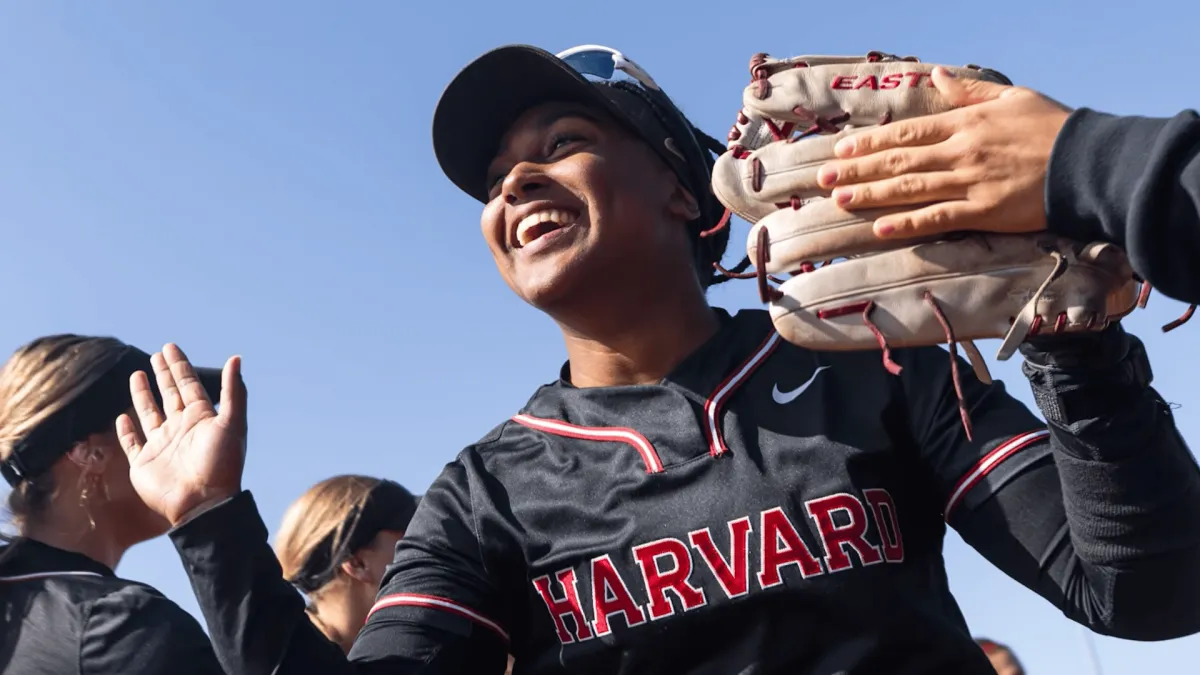
You know that old saying: if you want something done, ask a busy person? Well, a Harvard mechanical engineering student named Lael Ayala just took that advice to its logical, robotic conclusion. She was so swamped balancing softball, Army ROTC, and an engineering degree that she built a robot to do her chores.
Meet SoftBot, the autonomous, cart-like contraption designed to find and collect softballs after hitting drills. Because apparently, shagging balls by hand is for people with too much free time. Which, to be fair, Ayala definitely did not have. Her schedule was a veritable Olympic sport of commitments, including Harvard Athlete Ally meetings and engineering school tours.
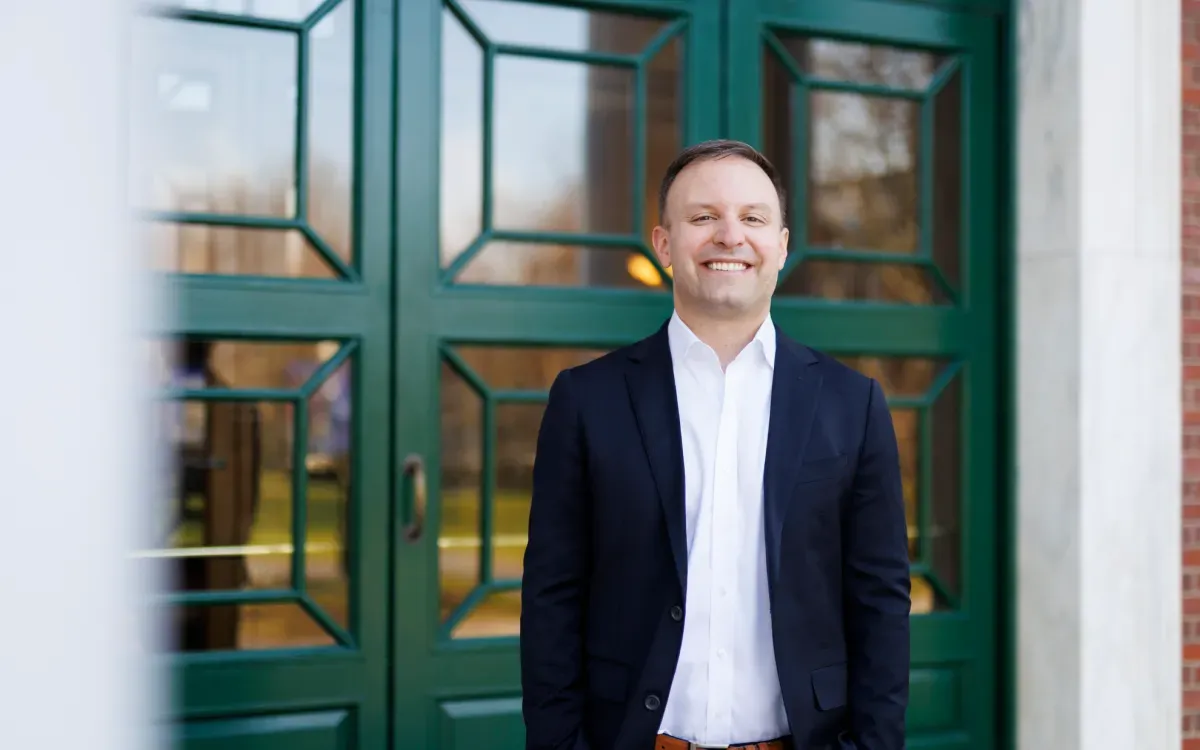
Her thesis adviser, Professor Seymur Hasanov, noted that SoftBot wasn't just a clever engineering challenge; it was a direct mash-up of Ayala's passions. She wasn't just building a robot; she was building a robot for herself — a beautiful, self-serving, time-saving invention.
We're a new kind of news feed.
Regular news is designed to drain you. We're a non-profit built to restore you. Every story we publish is scored for impact, progress, and hope.
Start Your News DetoxAyala started by feeding SoftBot hundreds of photos to teach it what a softball actually looks like (because robots, bless their circuits, need to be told everything). The final product is a genius of efficiency, capable of scooping up about 6.5 softballs per test run using a horizontal roller and a ramp. Let that satisfying number sink in.
Hasanov watched Ayala transform, growing more confident with every technical decision and improvement. Which is exactly what you want from someone building the future, even if that future currently involves chasing runaway softballs.
Beyond the nuts and bolts, Ayala credits her experiences in softball and ROTC with teaching her the art of camaraderie. "All the things you do within the military are highly challenging, and you have to find ways to stick together during those difficult moments," she said. Apparently, this also applies to trying to stage a comeback in a softball game, which, if you think about it, is both impressive and slightly terrifying.
After graduation, Ayala will become an Army officer and continue her work on Gander Robotics, a startup developing autonomous underwater drones for maritime search and rescue. So, from softballs to sonar, she's clearly on a mission to automate the world's most tedious (and critical) tasks. The rest of us can just try to keep up.