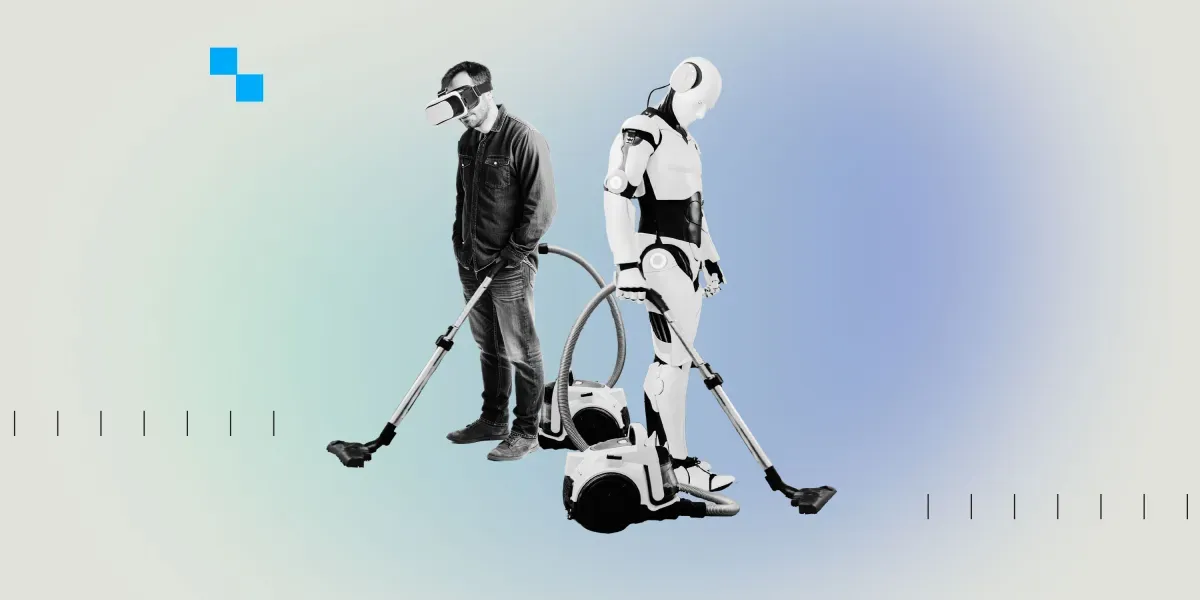
Trying to type a password in VR is about as graceful as juggling watermelons in a zero-gravity chamber. It's clunky, it breaks the immersion, and honestly, who wants to do that when you're trying to save the virtual world (or just check your bank balance)?
Turns out, your skull is doing a secret dance, and researchers at Rutgers University have figured out how to make it your bouncer. They've developed VitalID, a system that uses the microscopic vibrations from your breathing and heartbeat, traveling through your very own head bones, to confirm it's really you.

Your Skull's Secret Rhythm
We all think we're sitting still, but our bodies are constantly a low-frequency rave. Every breath, every beat of your heart, sends tiny waves rippling through your chest, up your neck, and into your skull. And here's the kicker: the way those waves move is as unique as your fingerprint, thanks to the one-of-a-kind architecture of your cranium.
We're a new kind of news feed.
Regular news is designed to drain you. We're a non-profit built to restore you. Every story we publish is scored for impact, progress, and hope.
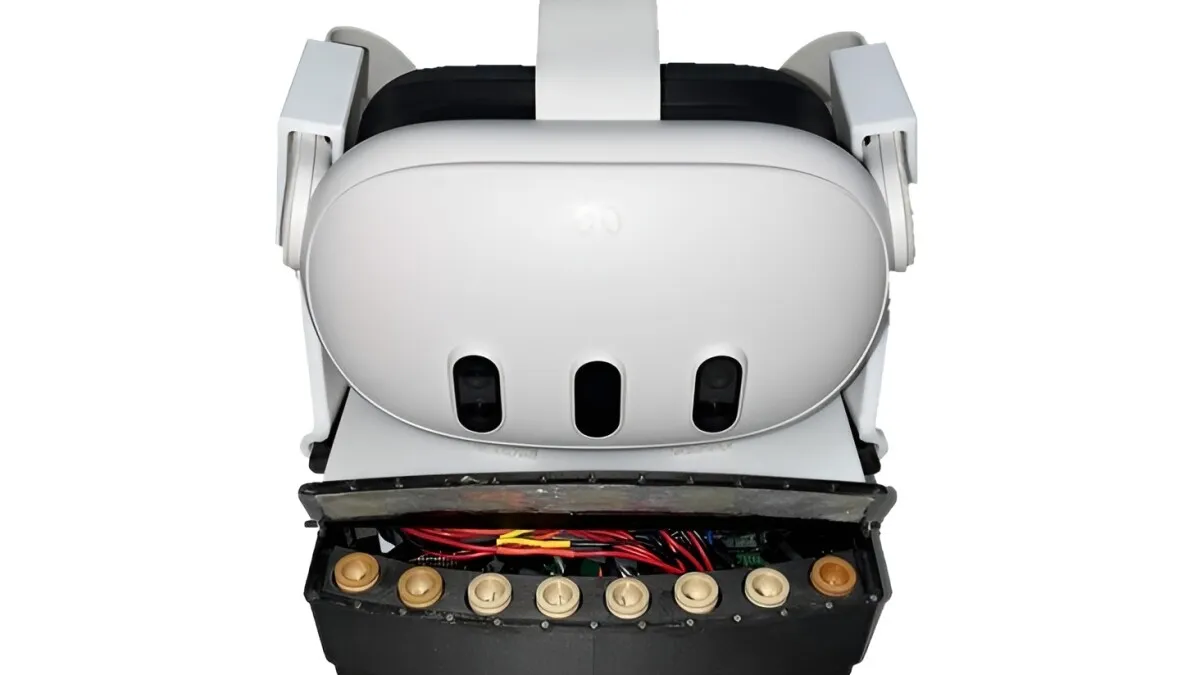
Start Your News DetoxImagine trying to copy someone's skull vibrations. Good luck. It's a bit harder than lifting a fingerprint, which is excellent news for your digital security. The best part? VitalID doesn't need any fancy new hardware. It just uses the motion sensors already inside your commercial XR headset.
Researchers developed a clever filter to sift through all the normal head wiggles, isolating only the signals from your breathing and heart. Then, advanced computer models analyze these patterns, comparing them to your saved profile. This means you can log into your virtual bank, access medical records, or dive into work systems without ever lifting a finger or, more importantly, your headset.

In tests with 52 users over ten months, VitalID nailed it, identifying real users over 95% of the time. Unauthorized users? Blocked more than 98% of the time. Let that satisfying number sink in.
The Future of Immersive Identity
Extended reality (XR) isn't just for blasting aliens anymore. It's rapidly expanding into finance, medicine, education, and remote work. Suddenly, these headsets are gateways to sensitive personal data and services. As lead author Yingying Chen put it, XR is becoming a "gateway to everyday internet services," which means security needs to be seamless, not a speed bump.
Traditional passwords are a nightmare. Two-factor authentication shatters the immersive illusion. Iris scans add cost and complexity, which slows down adoption. But your heartbeat? That's always with you, always authenticating, without you having to do a thing.

Rutgers Technology Transfer has already filed a patent application for VitalID, and the tech is ready for licensing and partnerships. Because apparently, your pulse isn't just keeping you alive; it's keeping your digital life secure. Which, if you think about it, is both impressive and slightly terrifying.