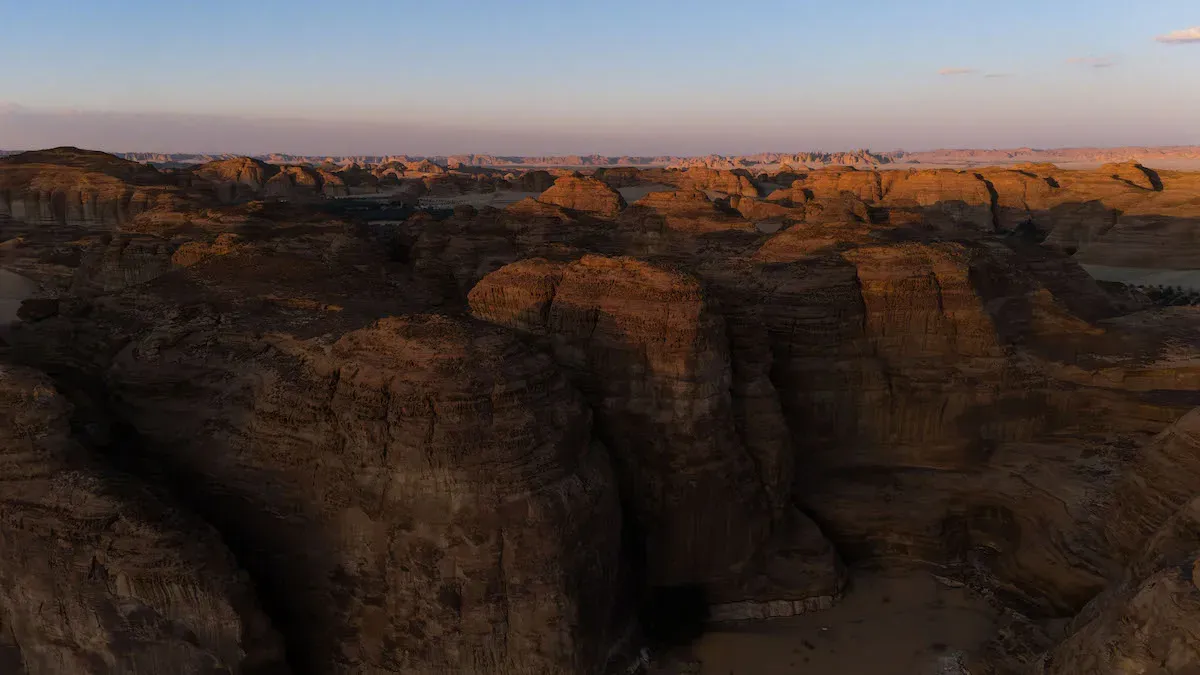
A new contemporary art museum is taking shape in AlUla, a desert region in northwestern Saudi Arabia that's becoming an unexpected hub for cultural ambition. The AlUla Contemporary Art Museum, designed by architect Lina Ghotmeh, represents a partnership between the Royal Commission for AlUla and the Centre Pompidou in Paris—a collaboration that signals how art institutions are rethinking where they operate and who they serve.
The museum sits within the AlUla Oasis, a landscape already layered with history. The region is home to Hegra, a UNESCO World Heritage Site of 2,000-year-old carved tombs. But this isn't a museum about the past looking backward. Instead, it's being built around three core ideas: heritage, environment, and community engagement.
Candida Pestana, the museum's inaugural director, describes a deliberate approach to collecting and exhibition. Rather than acquiring scattered individual works, the museum plans to acquire complete bodies of work by artists—a strategy that deepens understanding of an artist's practice over time. "We want the artists to work with the community, with understanding the land, and with understanding where we are in AlUla," Pestana told the Art Newspaper.
We're a new kind of news feed.
Regular news is designed to drain you. We're a non-profit built to restore you. Every story we publish is scored for impact, progress, and hope.
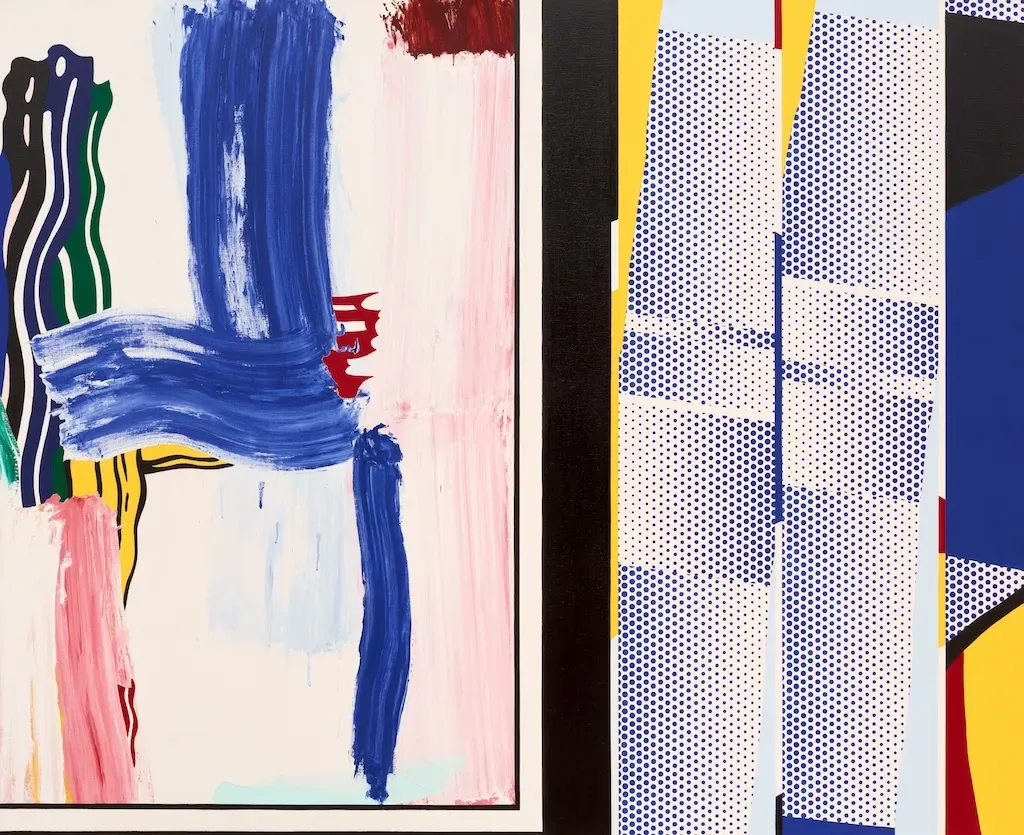
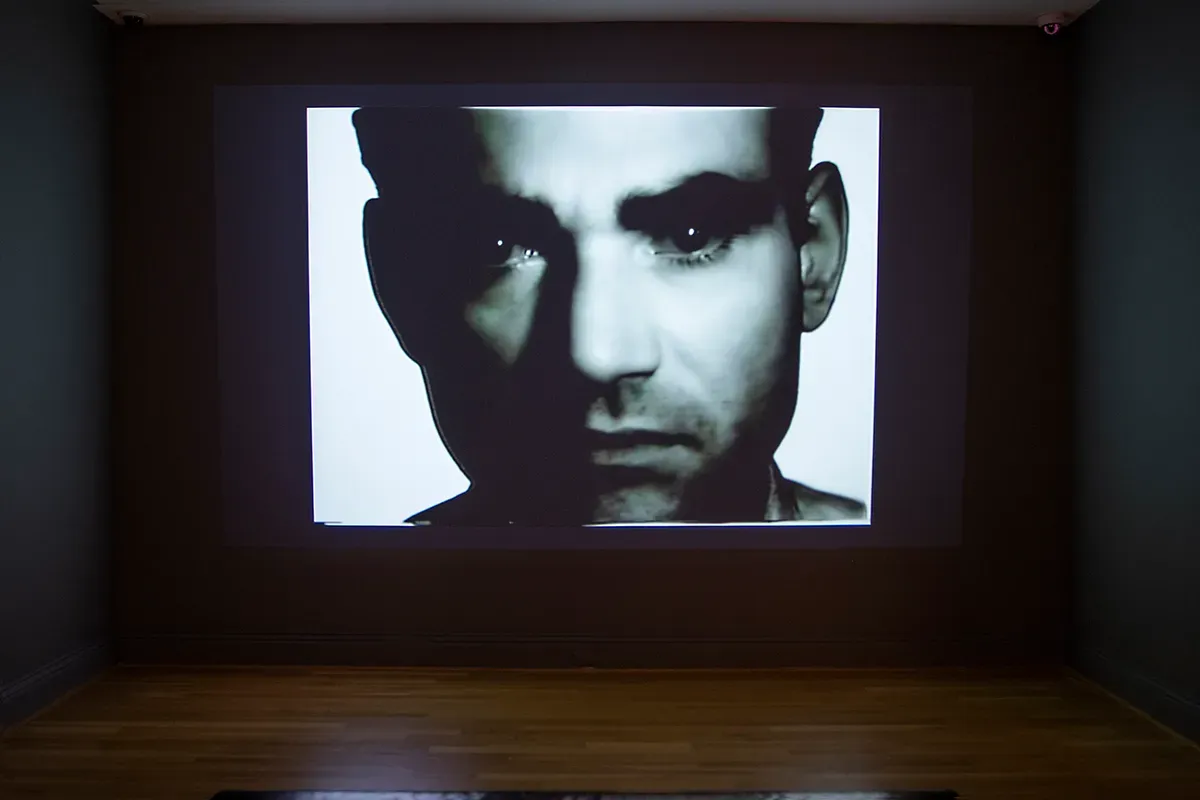
Start Your News DetoxThe vision is already visible in "Arduna," a contemporary art exhibition that opened recently and was co-curated by teams from both the future museum and the Centre Pompidou. The show features over 80 works by regional and international artists, many commissioned specifically for AlUla. It's functioning as a preview of what the permanent institution will prioritize.
AlUla itself is undergoing a broader cultural transformation. Wadi AlFann features permanent outdoor installations by artists including Agnes Denes, Michael Heizer, and James Turrell—names that carry weight in the global contemporary art world. The AlUla Arts Festival is now in its fifth year. The AlJadidah Arts District offers galleries, cafes, and artist workshops in a walkable setting. What's emerging is less a single destination and more an entire ecosystem.
The Centre Pompidou's continued involvement—through publishing, curating, and research partnerships—suggests this isn't a vanity project or a one-off cultural export. It's structured as an ongoing exchange. No opening date has been announced yet, but the groundwork suggests a museum designed to be genuinely rooted in its place, not simply transplanted there.