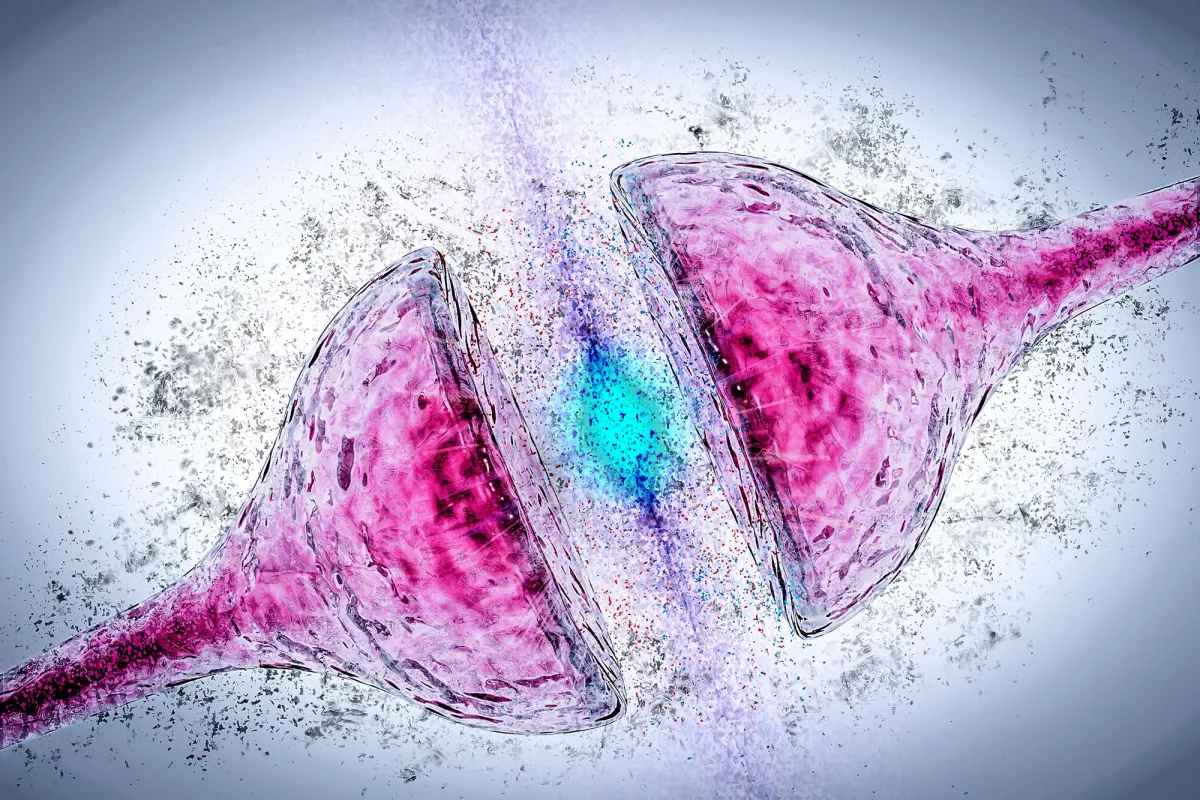
Scientists have found something that's been surprisingly elusive: a reliable way to shift your body clock forward. The compound, called Mic-628, targets a key protein that controls your circadian rhythm, essentially telling your internal clock to move ahead. In mice simulated into jet lag, a single dose cut recovery time from seven days down to four.
Why this matters is worth understanding. Your body naturally resists moving its clock forward—it's much easier to stay up late than to fall asleep early. If you've ever flown east across time zones or worked a night shift, you know this viscerally. Light exposure and melatonin can help, but they're finicky, requiring precise timing and often producing inconsistent results. Mic-628 works differently. It works regardless of when you take it, which is a genuinely different approach to a problem that's plagued travelers and shift workers for as long as those things have existed.
How It Works
The researchers tested the compound in mice by advancing their light-dark cycle by six hours—a solid model for jet lag. The mice that received Mic-628 adjusted to the new schedule in four days instead of the typical seven. The mechanism is elegant: the drug activates a feedback loop involving the PER1 protein, which stabilizes the clock shift and keeps it moving steadily forward.
We're a new kind of news feed.
Regular news is designed to drain you. We're a non-profit built to restore you. Every story we publish is scored for impact, progress, and hope.
Start Your News DetoxThis consistency is what sets it apart. Most circadian interventions work best at specific times of day, which means they're unreliable in practice. A drug that works whenever you take it removes that friction entirely.
What's Next
Mic-628 has only been tested in mice so far, so the obvious next step is more animal studies to check for safety and side effects, followed eventually by human trials. The researchers published their findings in the Proceedings of the National Academy of Sciences, and they're already framing this as a potential template for treating not just jet lag but shift work disorder and other conditions where your circadian rhythm gets out of sync with your life.
It's early, but the path forward is clear. If the compound proves safe in humans, it could reshape how travelers and night shift workers manage the exhaustion that comes from living against their body's clock.