Tuberculosis still kills nearly half a million people a year, even though we know how to cure it. The real problem isn't the disease—it's the cure. Current TB treatment demands months of daily pills that wreck your liver, barely reach the lungs where the bacteria actually live, and come with side effects so brutal that many patients simply stop taking them. When patients quit, the bacteria survive and mutate. Drug-resistant TB spreads.
Now researchers at the University at Buffalo have developed a way to sidestep this trap entirely. They've created an inhalable form of rifampin, one of TB's most powerful drugs, by wrapping it in specially engineered nanoparticles that you breathe directly into your lungs.
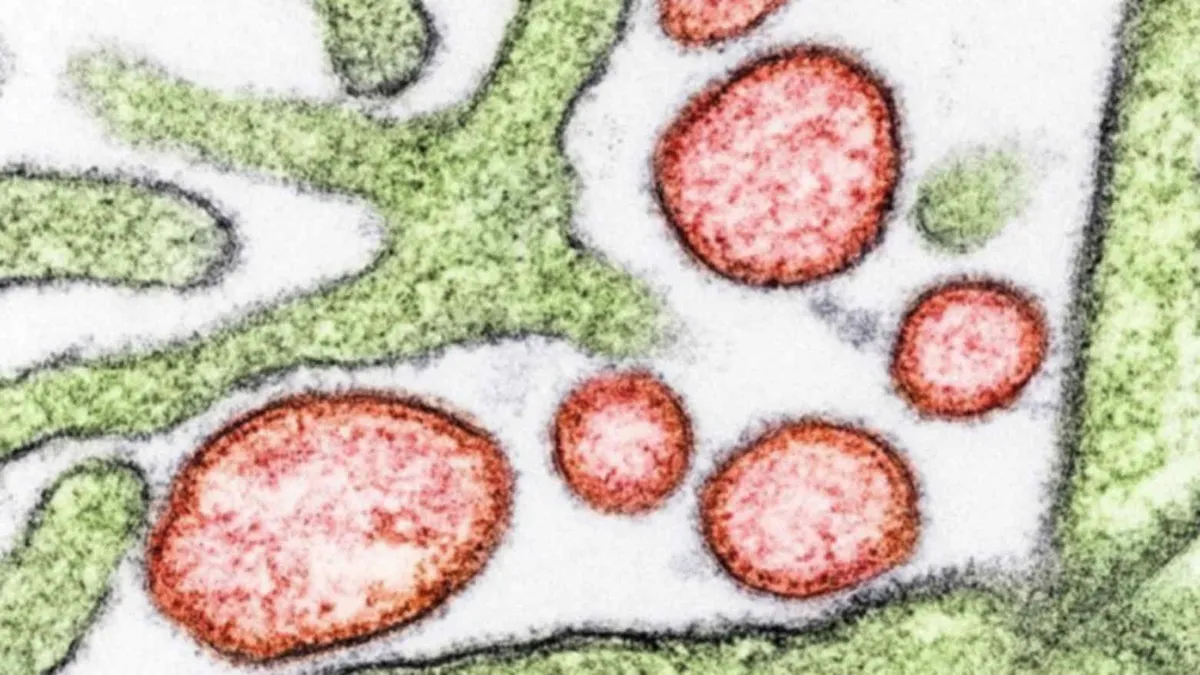
The engineering here is elegant. Each nanoparticle has a biodegradable core holding the drug, an outer coating that clings to macrophages (the immune cells where TB bacteria hide), and a natural molecule on the surface that both helps cells absorb the particles and triggers a stronger immune response. The result: the drug goes exactly where it needs to go and stays there.
We're a new kind of news feed.
Regular news is designed to drain you. We're a non-profit built to restore you. Every story we publish is scored for impact, progress, and hope.
Start Your News Detox"When you take rifampin as a pill, most of it ends up in your bloodstream and liver instead of your lungs," explains Hilliard Kutscher, the study's first author. "These particles are built to deposit in the lungs and release the drug slowly over time. A single dose keeps therapeutic levels in the lungs for up to a week."
That changes everything about the treatment burden. Instead of swallowing pills every single day for months, patients might need to inhale the drug just once a week. The drug stays concentrated where it's needed, which means lower doses, fewer side effects rippling through the rest of your body, and a treatment schedule that's actually livable.
The research, published in Antimicrobial Agents and Chemotherapy, tested the approach in the lab and found the inhaled nanoparticles delivered rifampin to lung tissue far more effectively than oral pills. The next step is combining this delivery system with the other TB antibiotics that are essential to treatment—the real-world test that will determine if this lab breakthrough actually changes how TB patients are treated.
The potential extends beyond TB itself. Rifampin is also crucial for treating non-tuberculous mycobacterial infections, which are becoming more common in the US, especially among people with chronic lung disease. Delivering it directly to the lungs could make it safer and more effective for those conditions too.
For TB patients in low-income countries where treatment completion rates are lowest—and where TB remains most deadly—a drug you breathe once a week instead of swallowing daily could be the difference between cure and catastrophe.