Most teeth whitening products work the same way: bleach your teeth white, accept the collateral damage. Peroxide-based gels, strips, and rinses do lighten stains, but they generate reactive oxygen species that gradually erode enamel, making teeth more prone to staining later and causing long-term problems. It's effective in the short term and costly in the long term.
Researchers at the Chinese Academy of Sciences found a different path. Instead of chemistry, they used physics.
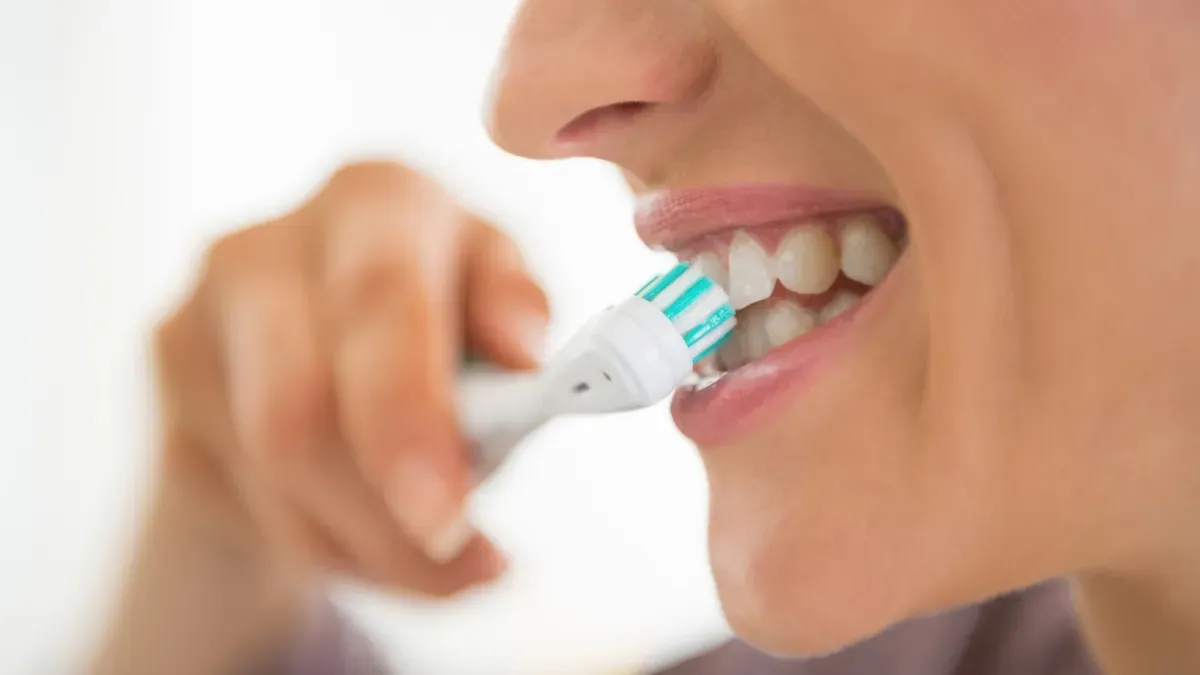
They created a ceramic powder called BSCT by heating a mixture of strontium, calcium, and barium titanate ions. The magic happens when you use it: the vibrations from an electric toothbrush shake the powder, triggering the piezoelectric effect. That's the phenomenon where mechanical pressure generates a tiny electric field. In this case, that field creates the same whitening reactions as peroxide bleach — but without the enamel erosion.
We're a new kind of news feed.
Regular news is designed to drain you. We're a non-profit built to restore you. Every story we publish is scored for impact, progress, and hope.
Start Your News DetoxHow it actually works
When the team tested BSCT on artificially stained teeth (coffee and tea, the usual suspects), they saw visible whitening after four hours of electric toothbrush use. At 12 hours, the teeth were nearly 50% whiter than control teeth brushed with saline. But here's the part that changes the equation: BSCT didn't just whiten. The powder's barium, calcium, and strontium deposits actually regenerated damaged dentin and enamel — the opposite of what conventional whiteners do.
In a second experiment, they tested it on rats fed a high-sugar diet for four weeks, brushing once daily with BSCT. The powder killed common mouth bacteria like Porphyromonas gingivalis and Staphylococcus aureus while reducing inflammation. That's not just cosmetic. That's preventive.
The researchers haven't yet formulated BSCT into an actual toothpaste — that's the next phase. But the pathway is clear: a whitening product that repairs as it brightens, powered by the same vibrations your toothbrush already generates. The team expects it could reach dentist offices and store shelves within the next few years.