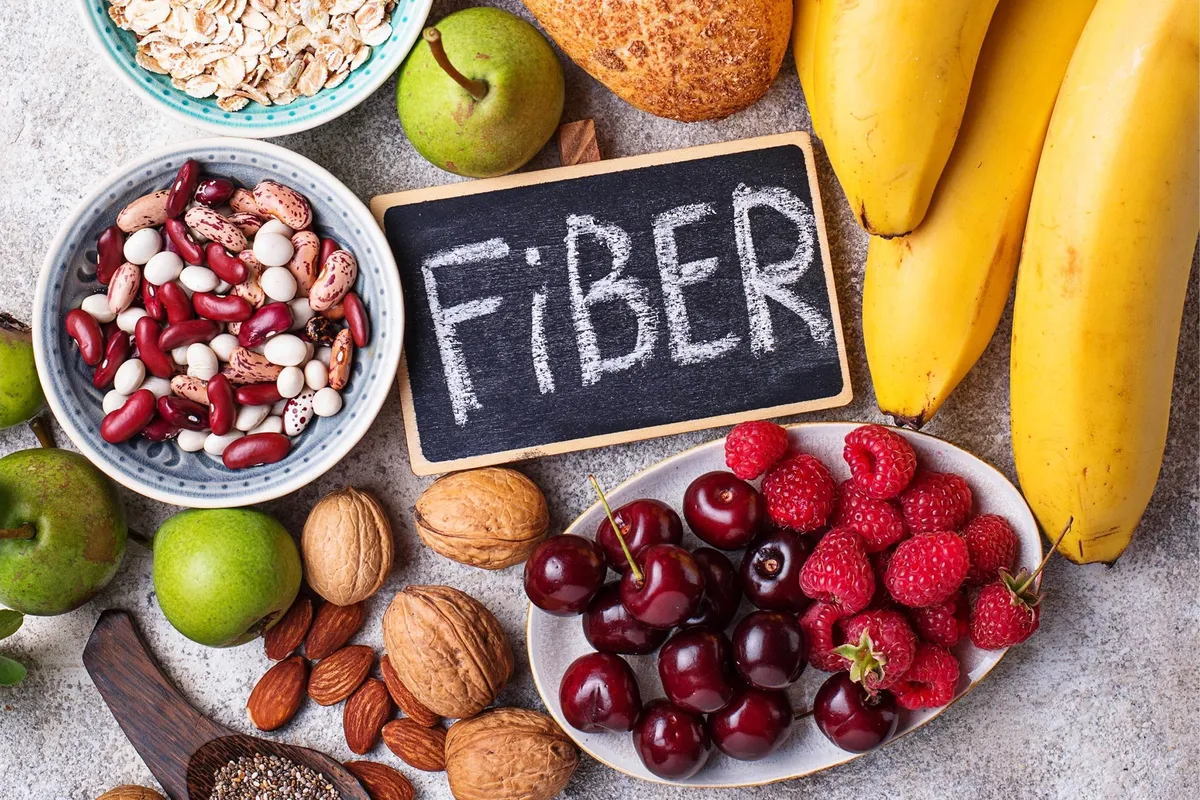
The fiber gap
Most adults fall short on fiber, and the consequences are quietly serious. A fiber deficit isn't just about digestion—it's linked to higher risks of colorectal, breast, and prostate cancers, plus metabolic problems like diabetes and obesity.
The mechanism is straightforward. When you're not eating enough fiber, you're likely filling those calories with other things: processed carbs, added fats, foods that shift your weight and metabolic health in ways that compound cancer risk. Jennifer Lee, a nutrition scientist at Tufts University, puts it plainly: "If you're not consuming a lot of fiber, you're possibly consuming calories from other macronutrient groups, and they may be high in carbohydrates or fats, which can lead to weight gain."
That's why the recent attention to "fibermaxxing"—intentionally meeting or exceeding daily fiber targets based on body weight—isn't just a trend. It's a correction.
We're a new kind of news feed.
Regular news is designed to drain you. We're a non-profit built to restore you. Every story we publish is scored for impact, progress, and hope.
Start Your News DetoxWhat you actually need
The USDA recommends 22 to 34 grams of fiber daily depending on age and sex. A simpler rule: aim for 14 grams of fiber per 1,000 calories. So if you eat 2,000 calories, that's 28 grams for most women and 34 for most men in their 20s and 30s.
But fiber isn't monolithic. Your body needs two types working together.
Soluble fiber dissolves in water and slows digestion. It keeps you full, feeds your gut microbiota (which then produces compounds that protect your health), and helps manage blood sugar and cholesterol. You'll find it in apples, avocados, oatmeal, beans, and leafy greens.
Insoluble fiber doesn't dissolve and doesn't contribute calories, but it's the bulk that keeps things moving through your system. It prevents constipation and comes from whole grains, nuts, and seeds.
The goal is a 2-to-1 ratio: if you're aiming for 30 grams total, that's 20 grams insoluble and 10 grams soluble.
The practical path
If whole foods aren't cutting it, supplements work. Pills or powders dissolved in water can bridge the gap—and honestly, most people need them because meeting fiber targets through food alone is harder than it sounds.
One caution: your gut needs time to adjust. Jump from 15 grams to 35 grams overnight without enough water, and you'll get constipated. Go too fast for your system, and some people experience the opposite. The move is gradual, and it's worth checking in with how your body responds as you increase intake.
The payoff is worth the adjustment period. Adequate fiber supports everything from your microbiome to your long-term disease risk. It's one of those inputs where the research is clear and the barrier is mostly just... remembering to do it.