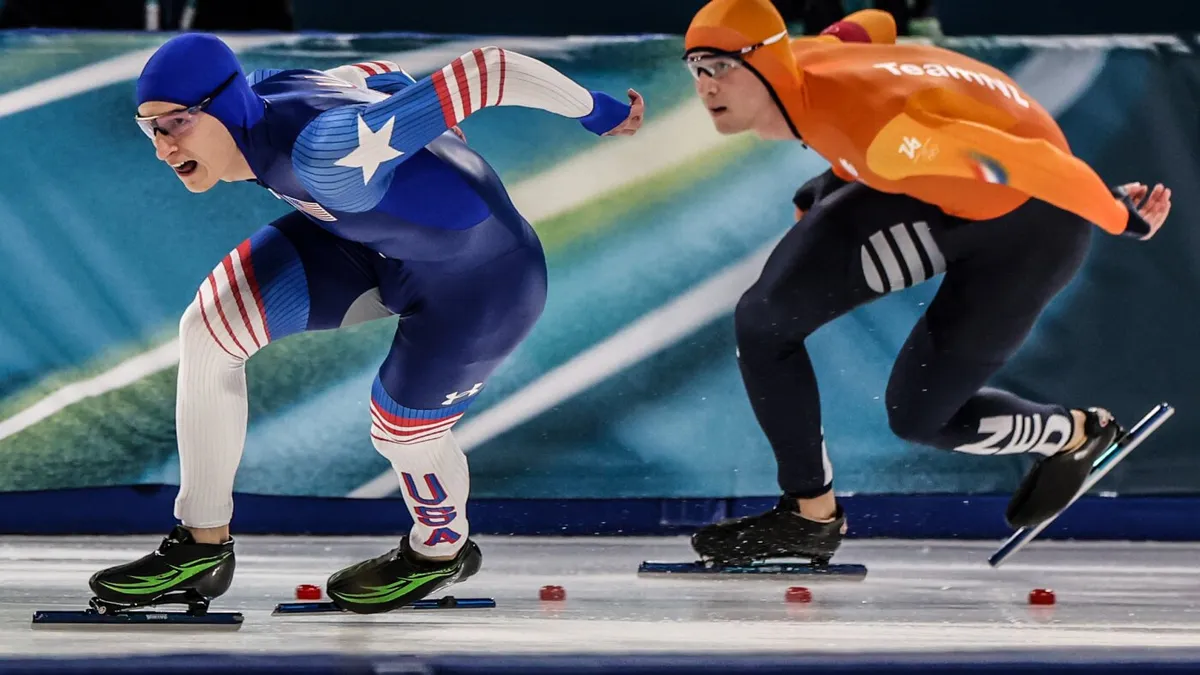
For decades, sports psychologists told elite athletes to seek "the zone" — that mythical flow state where everything aligns and performance becomes effortless. The problem: the zone rarely shows up when you need it most.
Sean McCann, a senior sport psychologist who has spent 33 years coaching U.S. Olympic and Paralympic athletes, noticed something shift in his field. The best performers weren't those who engineered perfect conditions. They were the ones who could function when conditions fell apart.
"We've evolved into helping athletes figure out where their head is and be able to handle a lot of chaos, rather than seeking an elusive flow state," McCann says. This reframing — from chasing an ideal state to managing disruption — has become the backbone of modern Olympic mental training. And it turns out, the strategies that work for elite athletes translate remarkably well to the rest of us.
We're a new kind of news feed.
Regular news is designed to drain you. We're a non-profit built to restore you. Every story we publish is scored for impact, progress, and hope.
Start Your News DetoxAnxiety Isn't the Enemy
Nerves before a big moment aren't a sign you're unprepared. They're biology. Your body is primed. The question is what you call it.
Performance psychologist Michael Gervais works with athletes on reframing. Instead of labeling pre-competition feelings as "pressure" or "anxiety," he encourages them to call it "intense" or "electric." The shift sounds small. The research backs it up: studies show that reframing anxiety as excitement measurably improves performance. Removing the judgment — the sense that nerves mean something is wrong — frees up mental energy to actually meet the challenge.
Calmness, it turns out, is overrated. What matters is knowing how to channel what you're already feeling.
Treat Disappointment Like Data
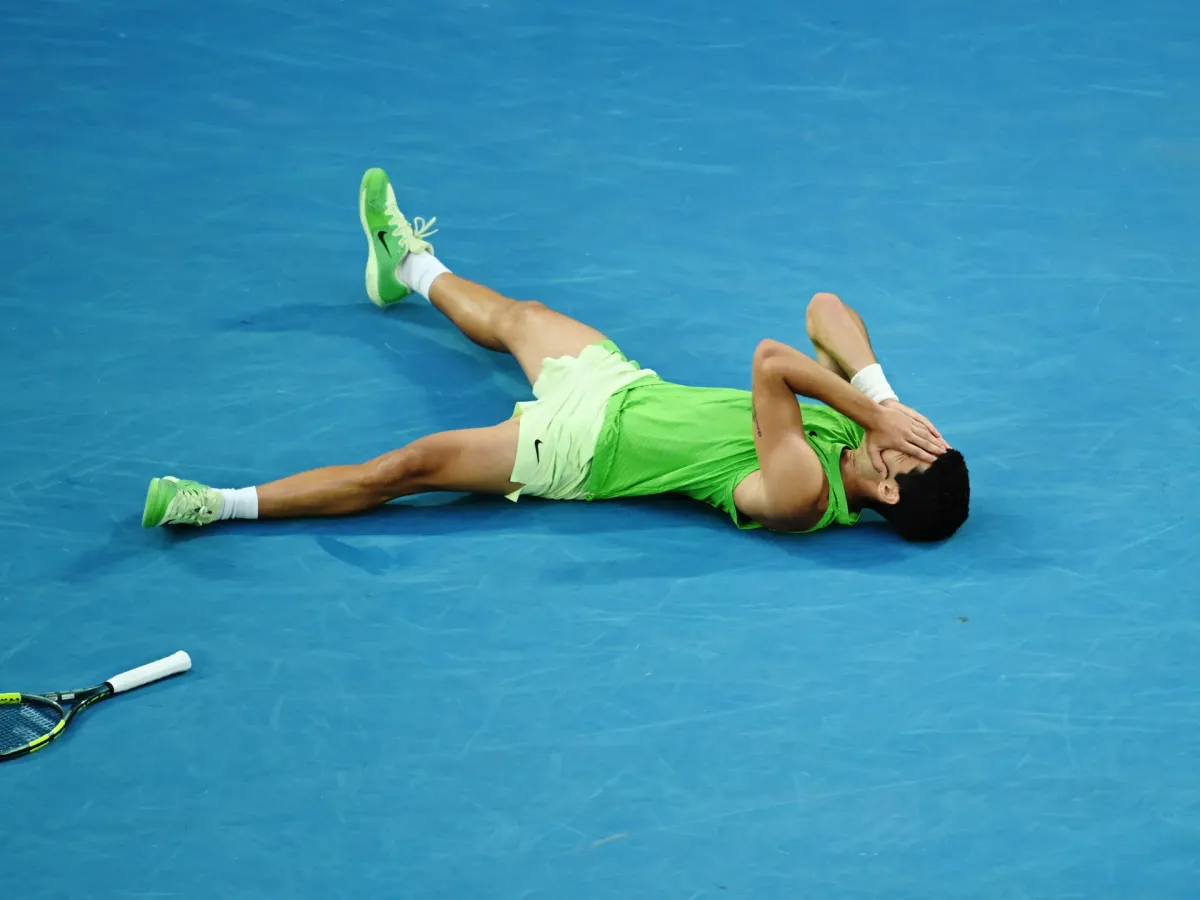
When an Olympian falls short, the instinct is to spiral. Instead, elite athletes are trained to ask a specific question: Was it the outcome I disliked, or the execution?
If the execution was solid but the result missed, the factors were likely outside your control — luck, an opponent's skill, conditions. That's information, not failure. If the execution faltered, that's where the work lives. "Olympians flex optimism," Gervais notes. "They tend to interpret events in a way that gives them agency and the opportunity to grow."
When you stop seeing setbacks as verdicts on your worth and start seeing them as data points, disappointment becomes useful. It points you toward what to adjust.
Feel It First
There's a myth in high-performance culture that emotional honesty weakens resolve. The opposite is true. Acknowledging disappointment, sitting with frustration, journaling about what went wrong — these aren't indulgences. They're the foundation of sustainable improvement.
"If you're muted or you fear the depth of what those emotions might be, the unlock to performance isn't available," Gervais says. "You have to feel it first in order to grow and learn from it." Resilience isn't built by denying pain. It's built by processing it honestly.
Recovery Isn't Laziness
Relentless grinding is celebrated in sports culture. It's also a path to burnout. Robert Andrews, founder of the Institute of Sports Performance, points out that mental recovery — genuine rest, not just physical recovery — is often the overlooked engine of sustained excellence.
Meaningful downtime, relaxing walks, time with people who matter: these aren't distractions from peak performance. They're part of the system that enables it. Research shows athletes who prioritize social connection as a recovery strategy outperform those who don't. The brain, like any system, needs restoration.
The Process Is All You Control
Elite competitors don't obsess over winning. They obsess over the steps that lead to winning. Before a competition, McCann advises athletes to build a detailed plan: where to position yourself, how to pace the middle stretch, when to make your move. This shifts the mental loop from "What if I fail?" to "How will I execute?"
You cannot control whether you win. You can control your preparation. You can control your response to what happens. That focus — on the controllable — reduces anxiety and sharpens clarity.
Olympic coaches no longer train athletes to chase perfection. They train them to navigate disruption with awareness, flexibility, and honesty. Excellence isn't elegant. But with the right mental habits, it is trainable.