Political scientist Sean Richey has stumbled onto something quietly powerful: the people most likely to show up for their community are the ones who actually like living there.
It sounds obvious. But in a national survey of 500 Americans, Richey found that only about half said they "liked" their town, and just 20% said they loved it. A quarter expressed no positive feelings at all. Three percent said they outright hated where they lived.
The difference this makes is striking. People who loved their town were substantially more likely to attend city council meetings, contact local officials, volunteer for campaigns, and discuss local issues with friends. They also trusted their local government far more than those who felt disconnected from their community.
We're a new kind of news feed.
Regular news is designed to drain you. We're a non-profit built to restore you. Every story we publish is scored for impact, progress, and hope.
Start Your News DetoxThe Emotional Lever
To test whether these feelings actually change behavior, Richey ran two experiments. In the first, he asked participants to identify the biggest problem facing their town. Half the group was then prompted to think about their feelings of love or hate toward their town before deciding whether to donate $1 to help solve the problem. The other half got no such prompt.
The results were striking: 18% of the "love/hate" group donated. In the control group, just 3% did. A second experiment replicated the finding. Simply reminding people to think about their emotional connection to their town made them significantly more likely to act on it.
This matters because it answers a puzzle that's nagged at political scientists for years: why does anyone participate in local politics at all? The time investment is real. The payoff is uncertain. But when people care deeply about a place, the emotional reward of helping it becomes its own motivation.
For local leaders watching voter turnout decline and civic engagement flatline, the implication is clear: before asking residents to show up, give them reasons to care. Build pride of place, and engagement tends to follow.
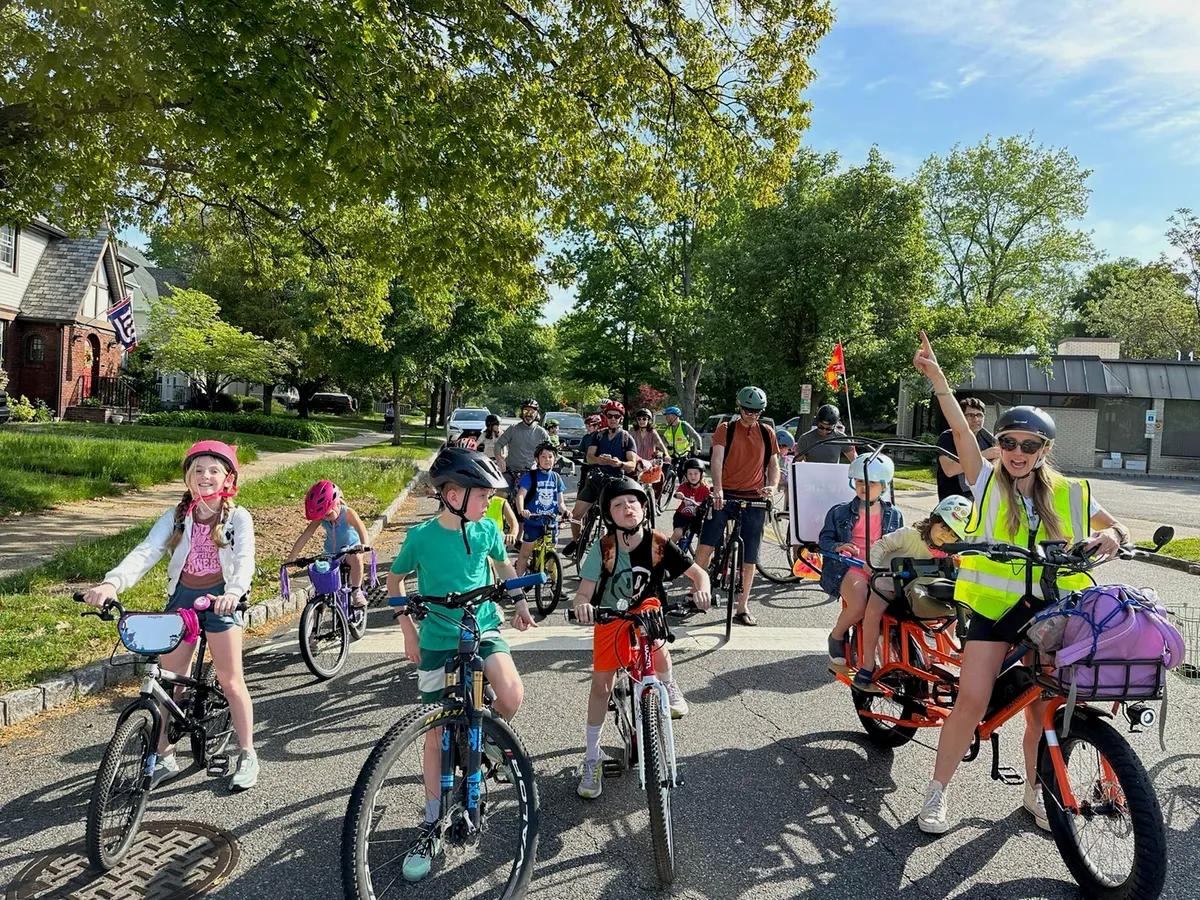
Richey suggests practical starting points. Regular civic rituals—community events, farmers markets, festivals—create reasons for people to gather. Celebrating iconic local landmarks and symbols gives residents something shared to take pride in. Involving children in community activities builds the next generation's emotional connection early.
None of this requires grand gestures. It requires noticing that people are more likely to invest in something they love. In an era when civic participation feels optional and partisan divisions run deep, that emotional anchor to place might be one of the most grounded tools democracy has.