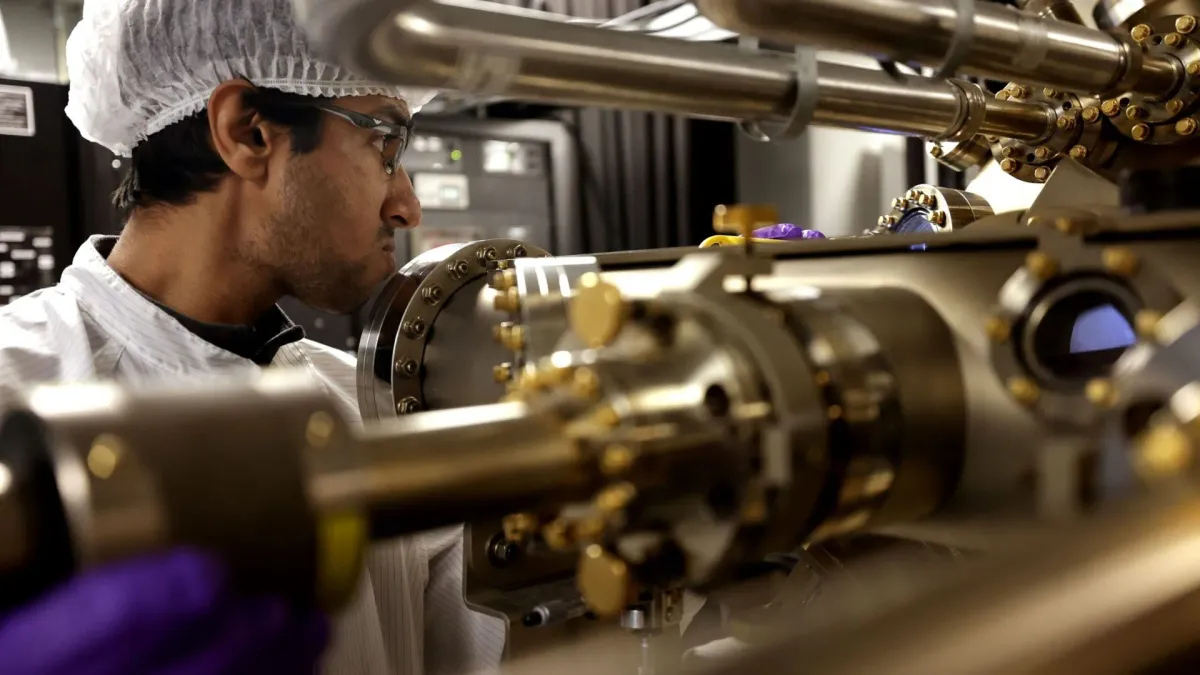
A factory's conveyor belt breaks down. Normally, you'd wait days or weeks for a replacement motor to arrive from overseas—and pay thousands in lost production time. Soon, you might just print one onsite instead.
MIT researchers have built a 3D printer that can produce a fully functional electric motor in about three hours, using five different materials and costing roughly 50 cents in raw materials. The printed motor performed as well as or better than motors made through traditional manufacturing, needing only one final step—magnetization—to work.
The Engineering Problem
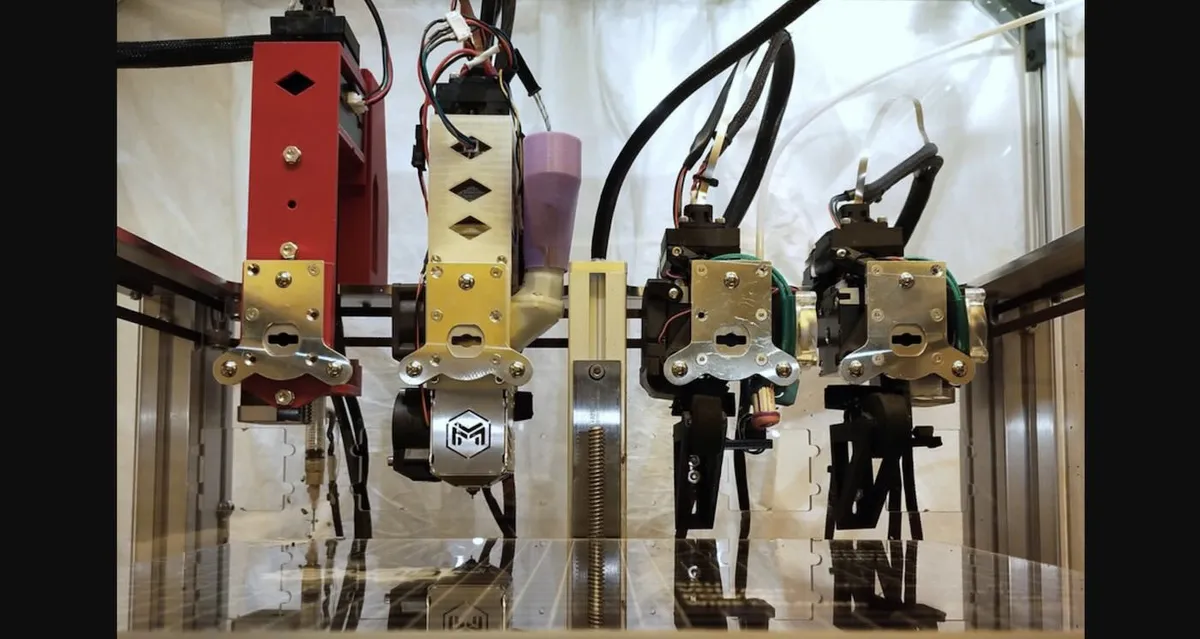
The challenge wasn't printing one material. It was printing five at once, each with completely different requirements. An electric motor needs conductive material to carry electricity and magnetic material to create the fields that generate movement. But most 3D printers can only handle two materials in the same form—both as filament, or both as pellets.
We're a new kind of news feed.
Regular news is designed to drain you. We're a non-profit built to restore you. Every story we publish is scored for impact, progress, and hope.
Start Your News DetoxThe MIT team retrofitted a printer with four separate extruders, each designed for a different type of material input. The conductive ink, for example, requires pressure-based extrusion without heat or UV light (which would damage the surrounding material). The magnetic materials needed something entirely different. Luis Fernando Velásquez-García, who led the research, described the work simply: "We had to figure out how to marry together many different expressions of the same printing method—extrusion—seamlessly into one platform."
Precision was everything. The robotic arms had to pick up and set down each nozzle consistently. Even tiny misalignments would throw off the motor's performance. Sensors and custom control software kept each layer aligned as the printer built the device layer by layer.
From Proof of Concept to Practice
The team demonstrated the system by printing a linear motor—the kind used in robotic arms, optical systems, and baggage handlers. Three hours later, they had a working motor that generated several times more force than conventional linear motors that rely on hydraulic amplifiers.
The real impact isn't this one motor. It's the shift in how things get made. Right now, factories depend on global supply chains—components manufactured somewhere else, shipped across oceans, stored in warehouses. This printer suggests an alternative: make what you need, when you need it, where you need it.
The team plans to integrate the magnetization step directly into the printing process next, then move on to rotary motors (the kind in most machines). They're also adding more tools to the platform, aiming eventually to print entire electronic devices in one go, from scratch to finished product.
As Velásquez-García put it: "This is just an example of so many other things to come that could dramatically change how electronics are manufactured."