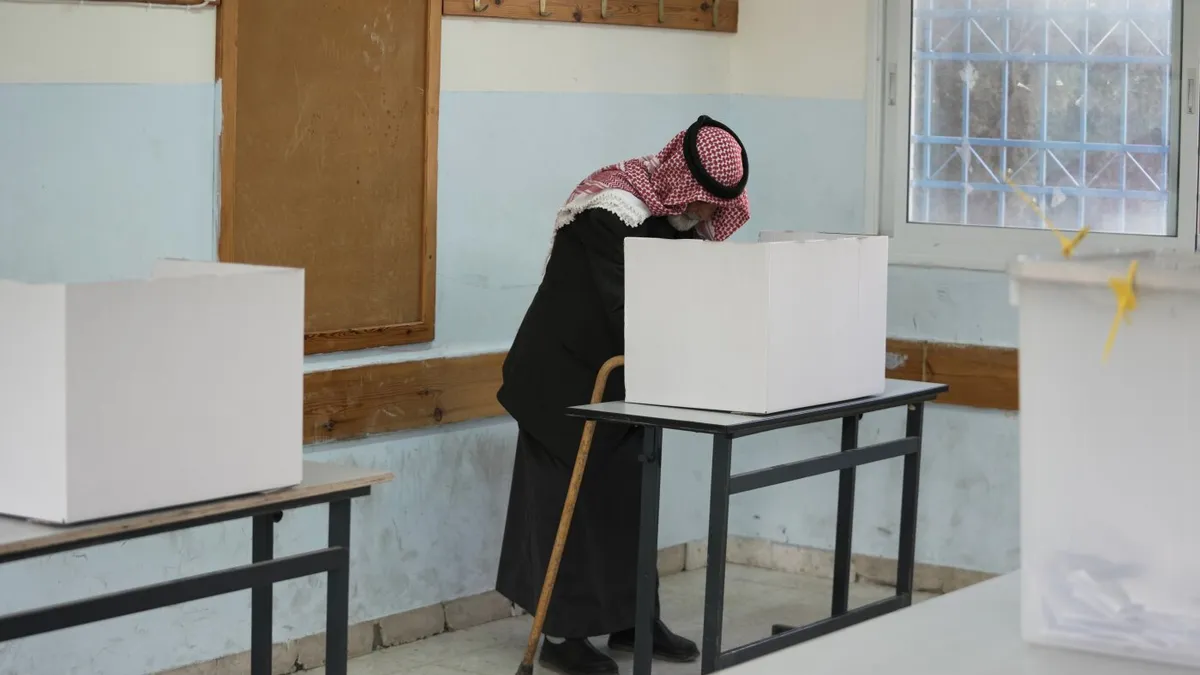
Palestinian officials are touting recent local elections as a win, even if that win involved a single, war-torn community in Gaza and a smattering of votes across the Israeli-occupied West Bank. Think of it as a small, slightly wobbly step towards a much grander, and perpetually delayed, statehood vision.
The Vote That Almost Wasn't
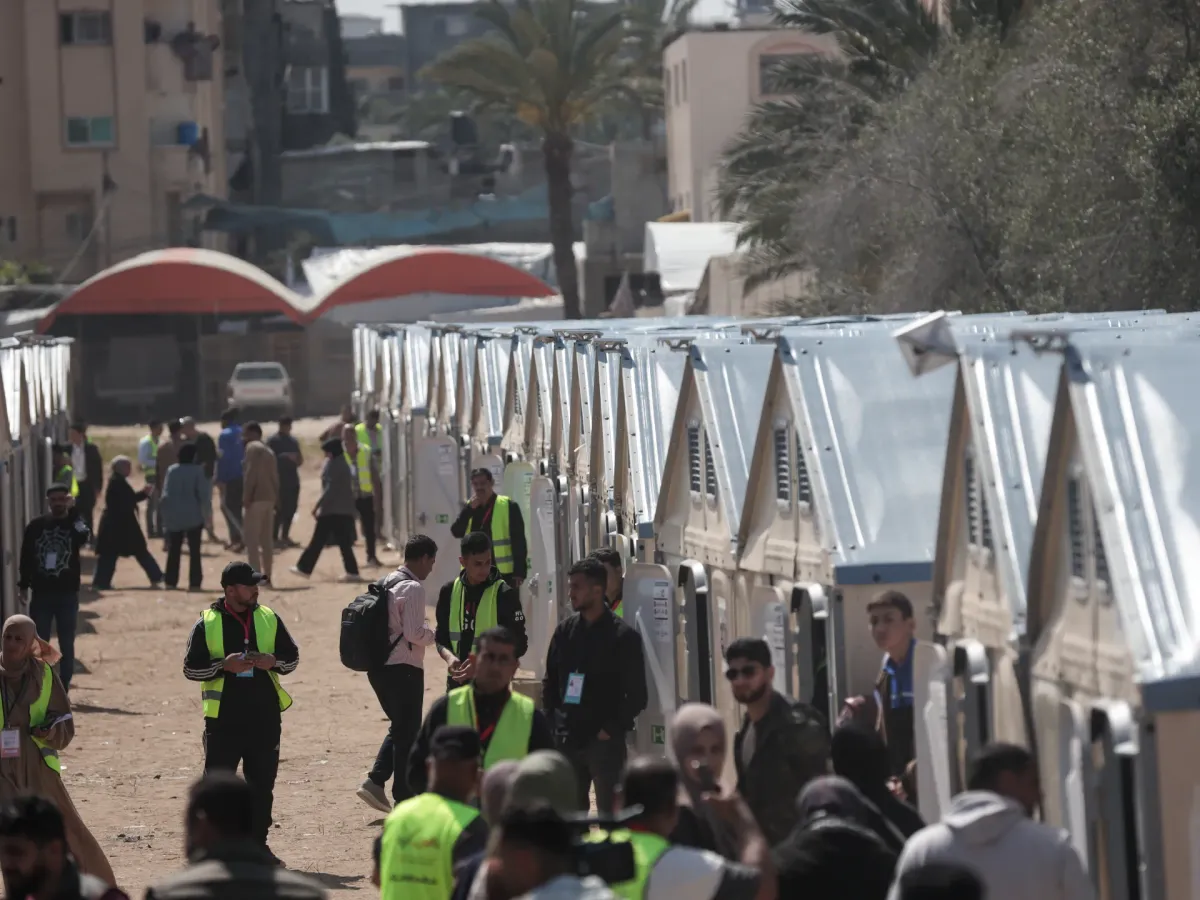
The Palestinian Authority (PA) framed the election in Deir al-Balah, central Gaza, as a "symbolic pilot." Because, apparently, politically linking territories after two decades of separation and a whole lot of conflict requires a test run. This was the first time anyone in a Hamas-controlled part of Gaza had voted in local elections in over two decades. Deir al-Balah, a town that's seen its share of destruction from two years of conflict, somehow avoided a full Israeli ground invasion.
Turnout there was a modest 23%. Officials, perhaps with a slight understatement, pointed to "widespread displacement and outdated records" as minor hurdles. And Hamas, the group running half of Gaza, didn't put forward candidates and, crucially, didn't try to stop the vote. Which, if you think about it, is both impressive and slightly terrifying.
We're a new kind of news feed.
Regular news is designed to drain you. We're a non-profit built to restore you. Every story we publish is scored for impact, progress, and hope.
Start Your News DetoxOver in the West Bank, turnout was a more robust 56%, with half a million people casting ballots. Many races were uncontested, and candidates had to agree to the Palestine Liberation Organization's (PLO) program – the one that recognizes Israel and says "no thanks" to armed struggle. This effectively kept Hamas and other dissenting groups out of the running.
The results were a mix of independents and Fatah, the party leading the PA, which promptly claimed victory. Rami Hamdallah, chair of the Central Election Commission and a former prime minister, called holding elections in Deir al-Balah a "significant achievement." He hopes for more votes across Gaza soon, despite the "difficult political, security, and economic conditions, including the war in Gaza." An interesting cocktail of challenges, to say the least.
These elections were for local councils – the folks who make sure your water runs and your roads aren't completely cratered. They were also the first since reforms allowed voting for individuals instead of party lists, meaning family and clan ties often trumped political platforms. Because sometimes, local politics is just that: local.
Big Hopes, Long Delays
Hamdallah suggested the vote showed national unity, expressing hope for future presidential and legislative elections. Here's the kicker: the PA hasn't held a presidential election in 21 years. Support for President Mahmoud Abbas, now 90, has dipped thanks to corruption allegations and the ever-expanding Jewish settlements in the West Bank. He was elected in 2005 for what was supposed to be a four-year term. Let that satisfying number sink in.
Prime Minister Mohammad Mustafa called Saturday's elections "another step on the path to full independence." Meanwhile, Israeli Prime Minister Benjamin Netanyahu remains firmly opposed to a Palestinian state. So, a bit of a disconnect there.
Many Palestinians are, understandably, looking for more than just who manages the local sewage. Bashar Masri, a prominent Palestinian-American business owner, put it plainly on social media: municipal elections are important, but they are "not enough." What he wants, and many with him, is "general elections." Because apparently, managing water and roads isn't quite the same as deciding the future of a nation.