
The rules have shifted. Whether you grew up in the '70s, '80s, or '90s, the world your parents navigated looks nothing like the one you're navigating for your kids. Parents today are making deliberate choices to parent differently — sometimes because they've learned better, sometimes because the world has changed, sometimes because they're still processing their own childhoods.
Parents across the internet are naming the things they did freely as kids that they'd never allow their own children to do now. The list reveals something interesting: it's not that modern parents are universally more protective or more permissive. It's that they're more intentional.
The Shift From Accident Risk to Deliberate Choice
Ride in the back of a pickup truck. Stand halfway out of a sunroof at 50 mph. Sit in a car without a seatbelt or car seat. These weren't edge cases in the '80s and '90s — they were normal. Seatbelts weren't mandatory everywhere until the 1990s. Parents today grew up in a world where car safety was treated more like a suggestion than a rule. Now they buckle their kids in without a second thought, not because they're paranoid, but because the data is clear.
We're a new kind of news feed.
Regular news is designed to drain you. We're a non-profit built to restore you. Every story we publish is scored for impact, progress, and hope.
Start Your News DetoxSunscreen tells a similar story. One parent remembered their mother's logic: one good sunburn at the start of summer, then you'd tan safely the rest of the year. It sounds absurd now, but sunscreen wasn't widely used until the '70s, and even then, it took decades for the connection between sun exposure and skin cancer to become common knowledge. Today's parents know too much to let that slide.
The Emotional Reckoning
But not all the changes are about physical safety. One parent wrote about refusing to "make my kid scared to talk about their emotions to the point that they become depressed because nobody knows how they feel." Another mentioned their father's talent for shaming them whenever they got upset. These parents grew up in a world where emotions were something to suppress, hide, manage alone. They're deliberately doing the opposite.
The same intentionality shows up around independence and structure. Many '70s and '80s kids were latch-key kids — coming home to an empty house, making their own dinner, doing homework unsupervised. Some parents remember this fondly. Others remember the chaos, the lack of guidance, the self-discipline they never learned. One person reflected: "My mom was way too lax on me. I never had any real chores or consequences... I find self discipline very hard."
Today's parents are trying to thread a needle: giving kids freedom without abandonment, structure without rigidity, protection without paranoia.
The Internet and the Mistakes We Can't Unsee
Then there's the internet. Gen X and Millennials were the first generation to grow up with it — unsupervised, unfiltered, with no parental controls. One person shared: "I signed up to hundreds of websites, made about 30 different email addresses, posted cringey pictures of myself everywhere and even sent nudes." They're determined their kids won't have the same digital trail following them into adulthood.
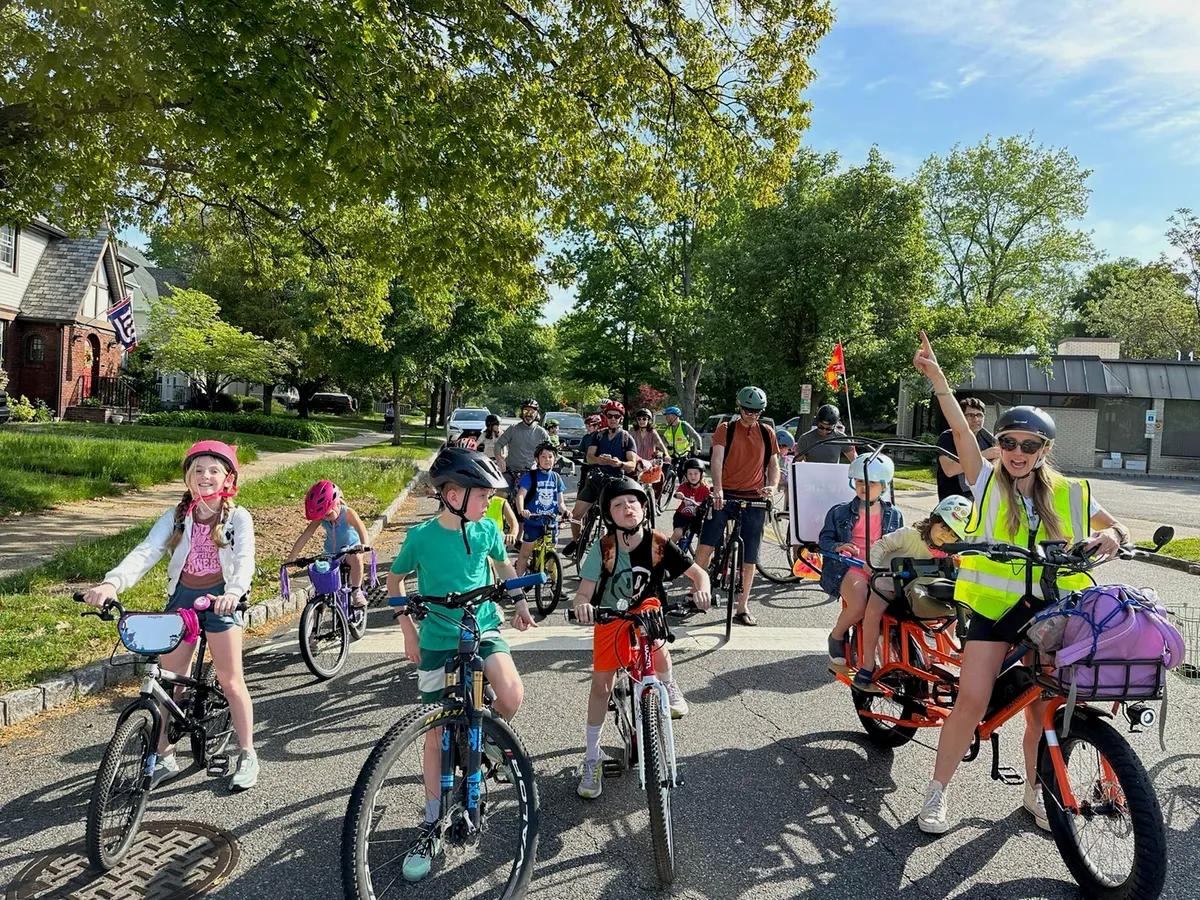
Other shifts feel less dramatic but equally telling. Kids in the '80s and '90s roamed neighborhoods freely; in the 1960s, almost half of kids walked to school. Today it's closer to 10%. Fast food was a weekly or daily habit; now parents are more deliberate about nutrition. Sleepovers were standard; now they're contentious, with some parents setting boundaries out of caution or expertise they didn't have before.
What's striking is that parents aren't universally rejecting their own childhoods. They're being selective. They're keeping the independence and resilience, dropping the neglect and danger. They're holding onto the freedom to roam while adding supervision. They're protecting emotional honesty instead of demanding silence.
It's not a perfect recalibration — critics point out that some kids today seem more anxious, more sheltered. But it's also not a wholesale rejection of how they were raised. It's a generation saying: I turned out okay, and here are the things that could have gone better. Let me try something different with mine.