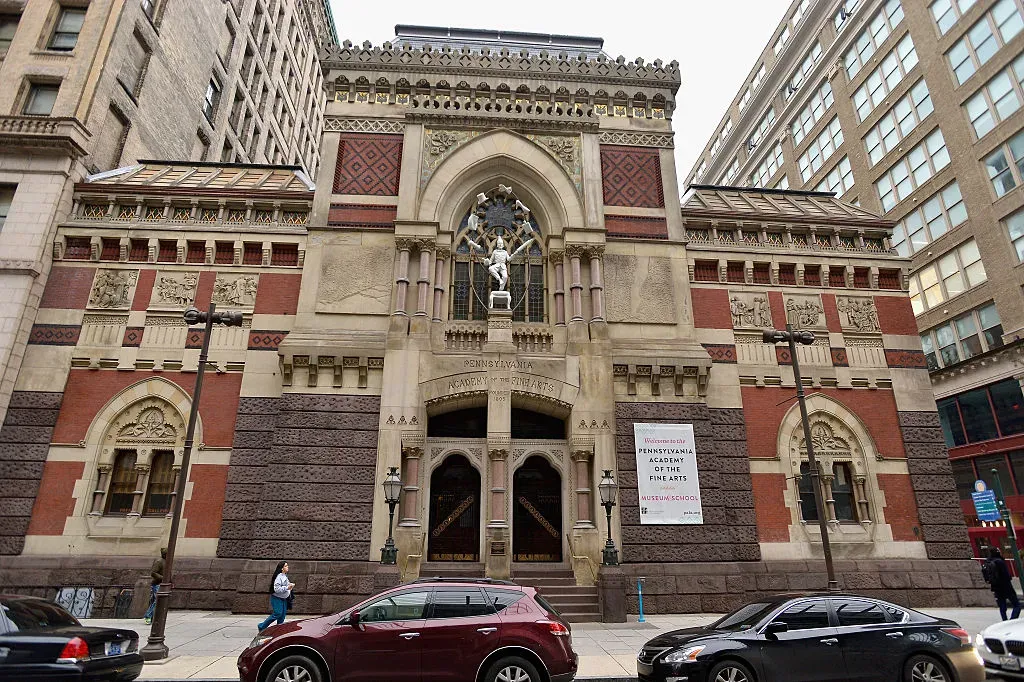
Kristen Shepherd is stepping into one of American art's most storied institutions at a pivotal moment. The Pennsylvania Academy of the Fine Arts (PAFA) announced Thursday that Shepherd, 54, will become its new president and CEO starting February 9.
Shepherd arrives with deep museum leadership experience. She spent five and a half years as executive director and CEO of the Museum of Fine Arts in St. Petersburg, Florida, and held senior roles at the Los Angeles County Museum of Art, the Whitney Museum in New York, and Sotheby's across two continents. Most recently, she's run her own consulting firm advising museums on strategy and growth.
PAFA is navigating genuine turbulence. Last May, the institution closed its college division—ending degree-granting programs that had been central to its identity since 1805—citing rising costs and declining enrollment. That decision marked a sharp turn for an institution that educated Mary Cassatt, Thomas Eakins, and Robert Henri, and was the nation's first fine arts school.
We're a new kind of news feed.
Regular news is designed to drain you. We're a non-profit built to restore you. Every story we publish is scored for impact, progress, and hope.
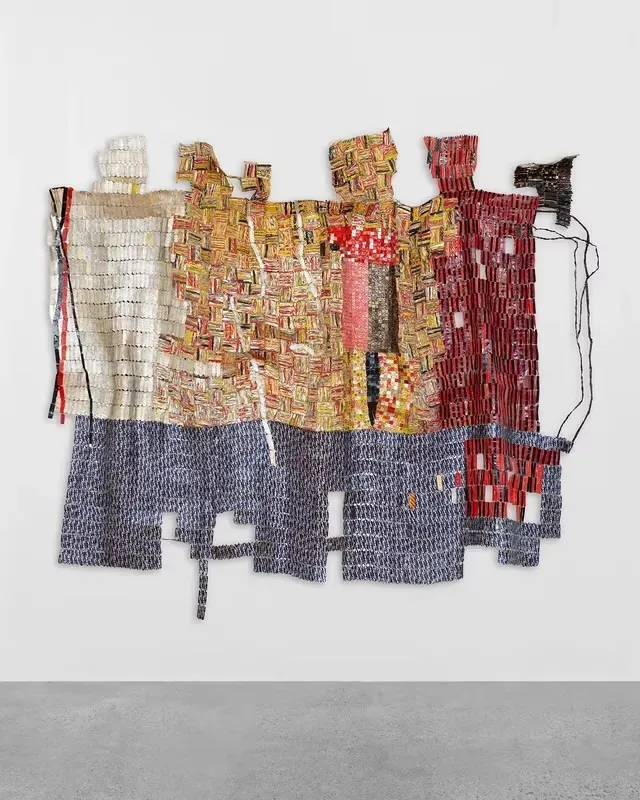
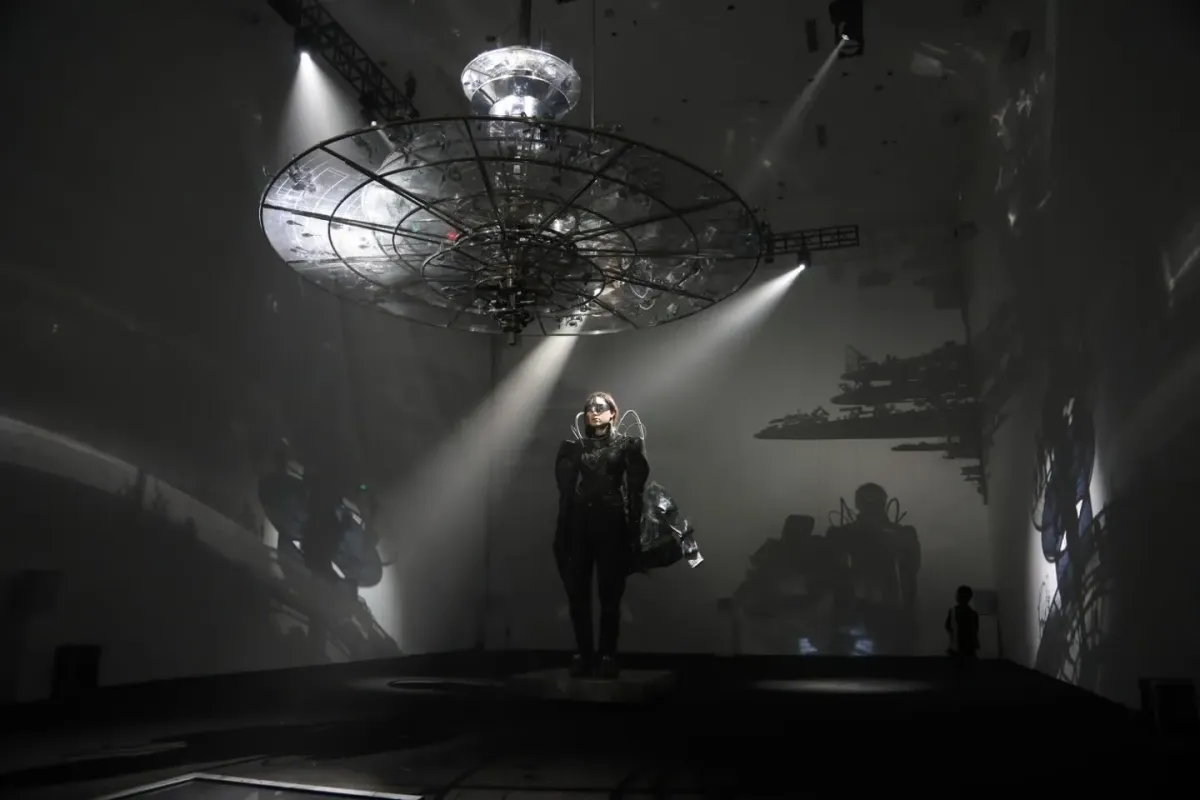
Start Your News DetoxBut the institution hasn't retreated entirely. PAFA continues running K-12 arts programs and continuing education classes, and this year it's reopening its Frank Furness and George Hewitt-designed building after renovations. New exhibitions are launching: "Threaded Currents" opened this month, with "Bodies and Souls: Kohler Collection" and "A Nation of Artists" to follow.
In her statement, Shepherd signaled how she sees PAFA's path forward. "The fact that the institution has been collecting contemporary art since its inception in 1805 demonstrates that American art is an ever-evolving story," she said. "PAFA has always been at the forefront of nurturing, teaching, and collecting important work for every generation of American artists. It is a privilege to build on this foundation and identify bold new ways to lead the institution into its next chapter."
That language matters. She's not promising to restore what was lost—she's positioning PAFA as a living institution that adapts while staying rooted in what it's always done: make space for American artists to emerge and be seen. Whether that vision can stabilize the organization financially remains the real test ahead.