The Library of Congress just added 25 films to the National Film Registry — the official collection of movies deemed culturally significant enough to preserve for future generations. The list spans from a 1896 Chicago silent film to Wes Anderson's The Grand Budapest Hotel, and it tells you something interesting about what we've collectively decided matters.
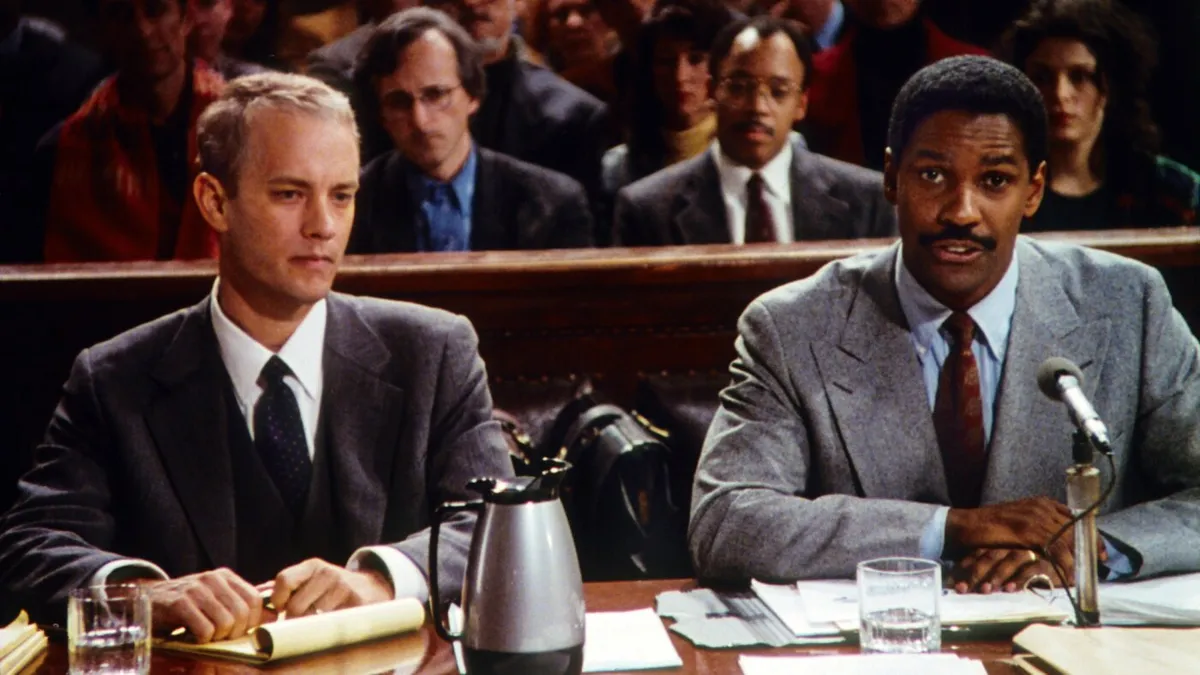
Denzel Washington got a two-film entry: Glory (1989) and Philadelphia (1993), joining Bing Crosby's White Christmas and High Society in the registry's growing archive. But the real story isn't the famous names. It's the films that were nearly lost.
What Almost Disappeared
Six silent films made the cut this year — more than usual — many of them recently restored after decades in storage or obscurity. The Oath of the Sword (1914) is the earliest known Asian American film on record, a love story about a Japanese student in California. Ten Nights in a Barroom (1926) survives as one of only two remaining films made by the Colored Player Film Corporation of Philadelphia, an all-Black production company whose work was almost completely erased from cinema history.
We're a new kind of news feed.
Regular news is designed to drain you. We're a non-profit built to restore you. Every story we publish is scored for impact, progress, and hope.
Start Your News DetoxThen there's The Tramp and the Dog (1896), likely the first commercial film ever made in Chicago. It's an early example of what historians call "pants humor" — the simple comedy of watching someone lose theirs. A century later, it still exists because someone decided it mattered enough to keep.
The Films You Actually Know
The registry also welcomed the movies that shaped how people your age think about culture: Clueless (1995), The Karate Kid (1984), Before Sunrise (1995). These weren't just hits — they became the reference points for entire generations. When Ralph Macchio learned The Karate Kid was being added, he told the Library of Congress: "Film preservation is so important because it keeps the integrity of cinema alive for multiple generations."
Wes Anderson's The Grand Budapest Hotel (2014) made the list too, and Anderson credited the Library of Congress's own photocrom collection — thousands of historical photographs of European landscapes — as direct inspiration for the film's visual world. He didn't just watch the archive. He built his movie inside it.
The registry adds 25 films every year — a deliberate, slow-moving process that means roughly 900 films have been selected since 1988. That's not a huge number when you think about the thousands of films made each year. Which means getting in is genuinely selective. It means someone watched, debated, and decided your favorite movie was worth preserving for people who won't be born for decades.
That's the actual work of cultural memory — not dramatic, not flashy, just the quiet insistence that some things matter enough to keep.