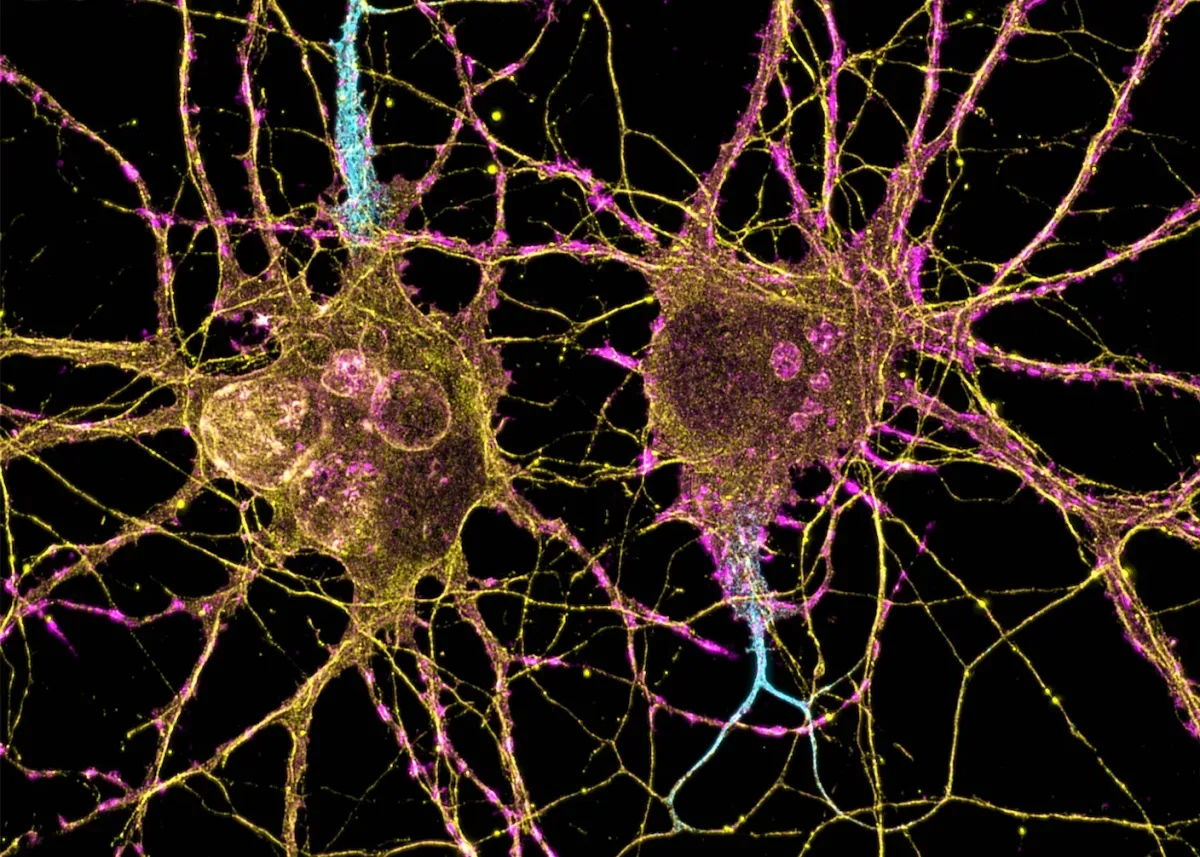
A pig kidney worked inside a human patient for 271 days, setting a new record. US doctors say this shows pig organs could serve as a temporary solution for people waiting for a human transplant.
Tim Andrews, the patient, said the transplant gave him "hope." It also saved him from months of dialysis, a process that filters blood when kidneys fail.
A Bridge to Transplant
Andrews had end-stage kidney disease due to type 2 diabetes. He was 66 when he received the pig kidney on January 25, 2025. The organ worked immediately.
We're a new kind of news feed.
Regular news is designed to drain you. We're a non-profit built to restore you. Every story we publish is scored for impact, progress, and hope.
Start Your News DetoxAfter 271 days, the pig kidney was removed in October of that year. Andrews then needed dialysis for 82 days until he received a human donor organ in January of this year. That new organ is working well.
Dr. Leonardo Riella from Mass General Brigham said there is a "crisis" due to the shortage of organs. He believes xenotransplantation, using organs from other species, could help patients avoid dialysis and get a transplant sooner.
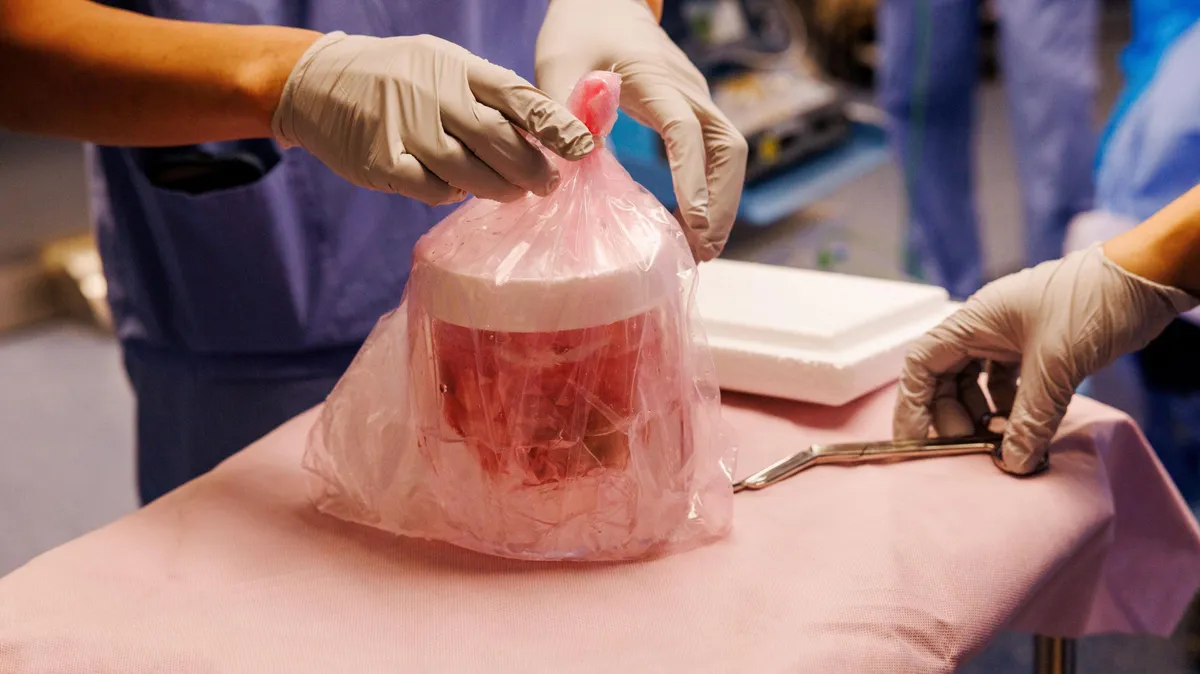

Overcoming Rejection
Pigs are considered ideal for xenotransplantation because their organs are a similar size to human organs. However, a human body would normally reject a pig organ immediately. The immune system would attack and destroy it.
To prevent this, researchers developed Yucatan miniature pigs with 69 genetic changes. These changes "humanize" the pig organs. They remove features that trigger the human immune system and add human DNA to help hide the pig tissue. They also disable viruses within the pig DNA to prevent infection.
Andrews did show early signs of organ rejection, but doctors successfully treated it by adjusting his medication. After about six months, the blood vessels in the kidney became damaged, and the organ failed. Doctors are still investigating why this happened, as there were no signs of antibodies attacking the pig kidney.
This case highlights both the promise and the challenges that remain for using animal organs in human transplants.

Deep Dive & References
Transplanted pig kidney works in US man's body for record 271 days - The Lancet, 2024