Imagine your brain, but better. Specifically, imagine a drug that could convince certain brain cells to transform into brand-new neurons, effectively hitting the 'undo' button on some of the damage caused by Alzheimer's.
That's the wild, promising finding from a new study: a single injection, turning star-shaped support cells (astrocytes) into fully functional neurons. And in mice with Alzheimer's, it didn't just slow things down; it reversed symptoms.
The Brain's Broken Repair Kit
Alzheimer's is a cruel double whammy for the brain. First, those infamous toxic protein clumps build up, like tiny, destructive Lego structures, killing off precious neurons. Second, the adult brain, usually pretty good at fixing things, struggles to grow new ones. The result? Memory, learning, and thinking go on a slow, agonizing decline. Current treatments are often a bit like putting a band-aid on a gaping wound – they might ease symptoms or clear some gunk, but they don't bring back what's lost.
We're a new kind of news feed.
Regular news is designed to drain you. We're a non-profit built to restore you. Every story we publish is scored for impact, progress, and hope.
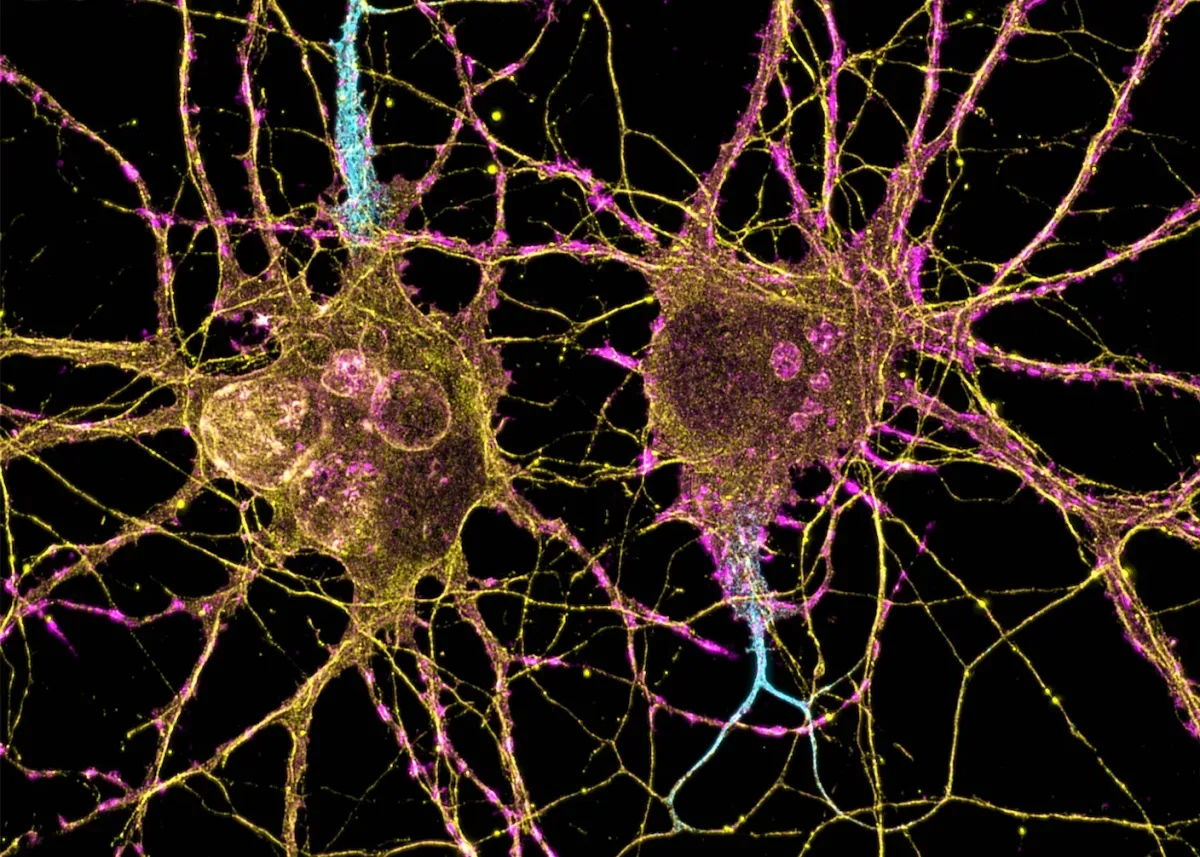
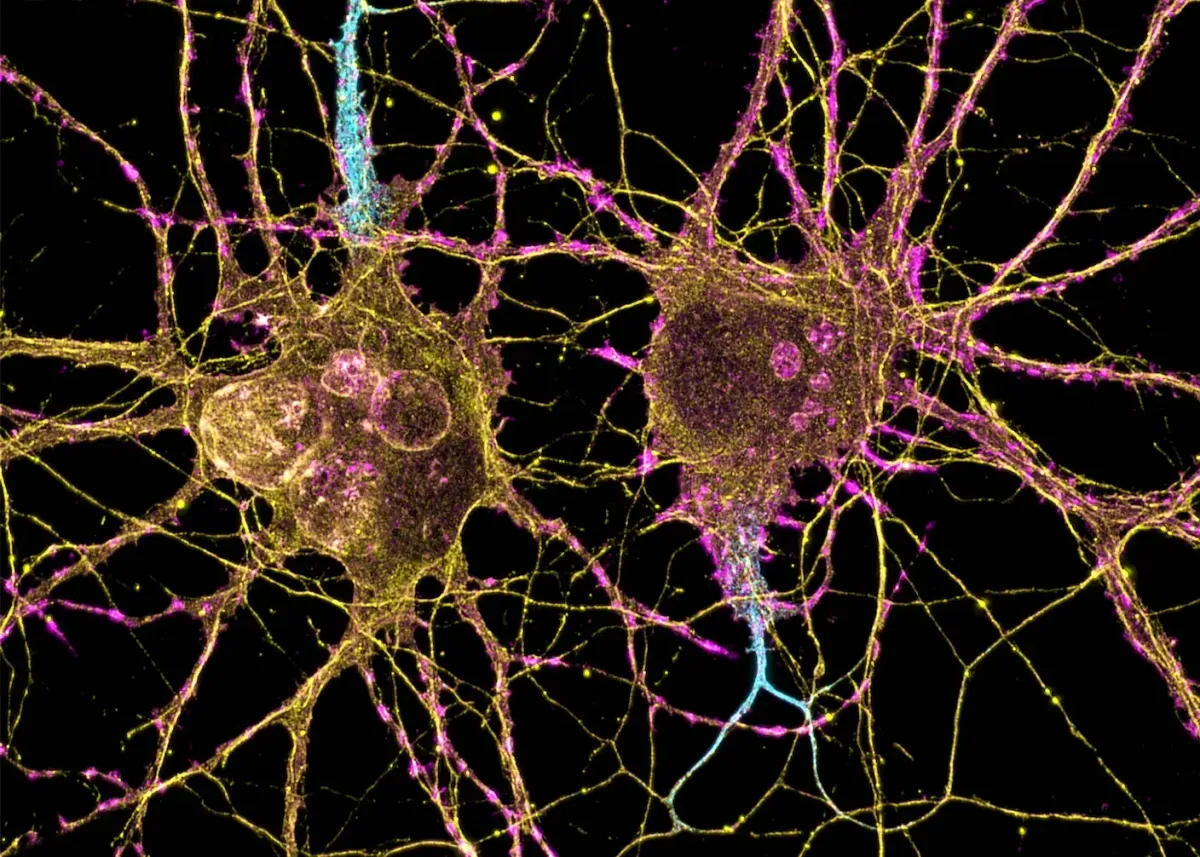
Start Your News DetoxEnter the humble astrocyte. These cells are usually the brain's unsung heroes, supporting neurons and generally keeping the peace. But scientists have long known that, given the right nudge, they have the potential to become neurons themselves. A vast, untapped reservoir of brain repair, just waiting for a good excuse.
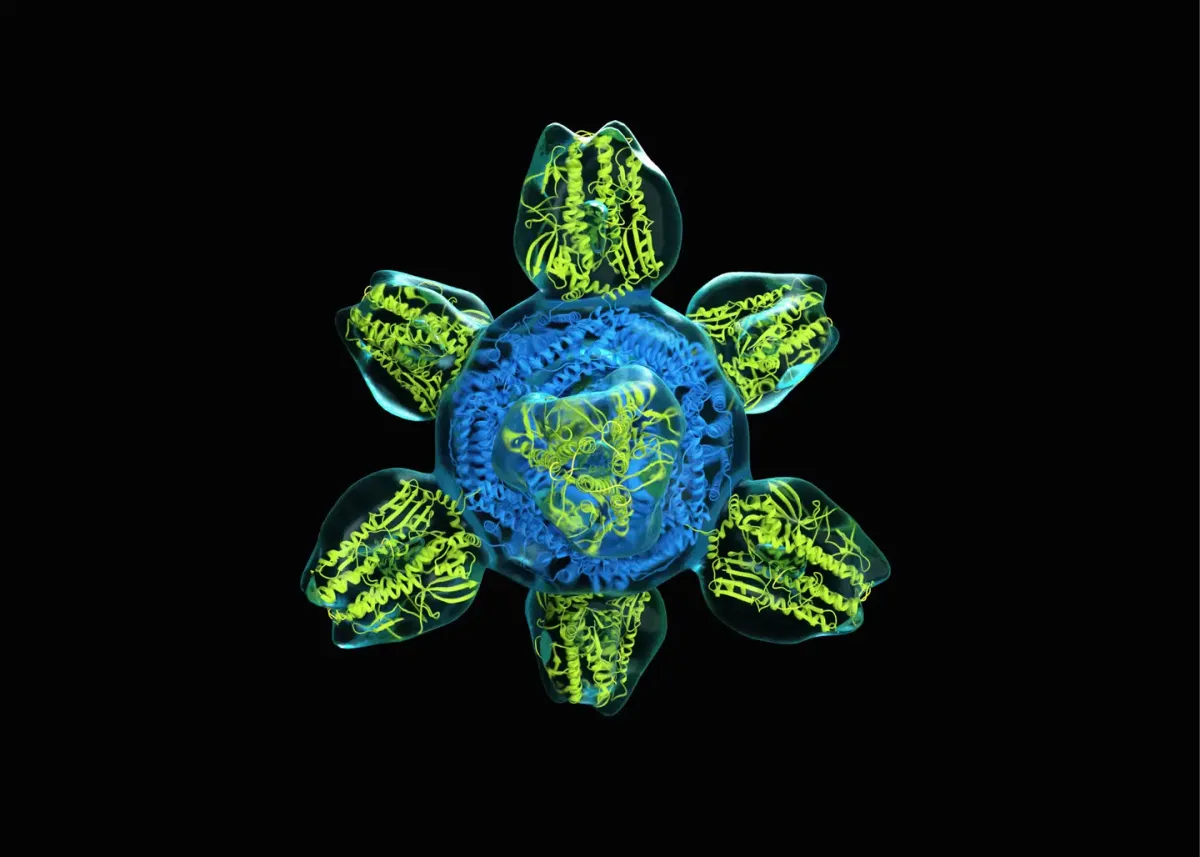
Researchers at the University of South Carolina found that excuse. They engineered a tiny molecular cage, packed with antibodies, designed to slip into astrocytes. Once inside, these antibodies released a protein 'brake' that normally prevents the astrocytes from transforming. Without that brake, the cells began to look, act, and even electrically signal like neurons. Which, if you think about it, is both impressive and slightly terrifying.
Smarter Mice, Fewer Plaques
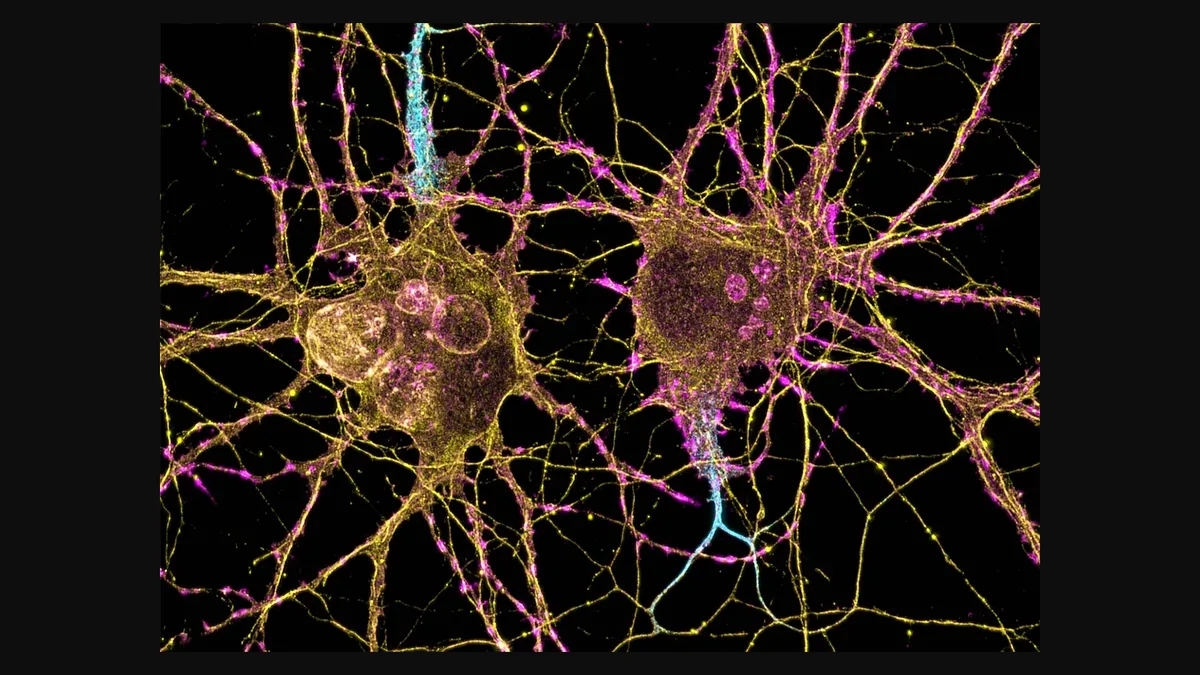
The real test came with mice engineered to have Alzheimer's. Their brains were inflamed, riddled with toxic protein clumps, and losing neurons in the hippocampus – that crucial area for learning and memory. They struggled with mazes and daily tasks, much like human patients struggle with memory.
Half the mice got the new drug, TN-PTBP1, for two weeks. The other half got saline. The results? The treated mice got smarter. A lot smarter. They performed as well as healthy mice on memory and learning tests, a level of improvement that's almost unheard of in Alzheimer's research. "After just two injections, these mice became smarter," noted study author Peisheng Xu. "Even after one injection, we already saw these mice’s behavior differ from that of the nontreated ones."
Even more surprisingly, the drug not only boosted neuron density but also reduced the toxic protein clumps and inflammation. It seems the new neurons might even help the brain clear out its own waste, a significant bonus. And all this without brain surgery, thanks to the nanoparticles that cleverly ferried the antibodies across the blood-brain barrier.
The Long Road Ahead
Before you start picturing a future where a quick jab erases decades of memory loss, a crucial caveat: mice are not tiny humans. Many treatments that look miraculous in animal studies falter in human trials. The team now plans to test the drug in monkeys, fine-tune the dosage, and ensure long-term safety. After all, astrocytes have many important jobs, and messing with them could have unintended consequences. And new neurons need to integrate properly, not just show up like uninvited guests.
Still, the idea of unlocking the brain's own dormant regenerative powers is a powerful one. If this approach proves safe and effective, it could offer a genuinely new path not just for Alzheimer's, but potentially for Parkinson's, ALS, and other devastating neurodegenerative diseases. A future where the brain doesn't just decline, but rebuilds. Now that's something to remember.