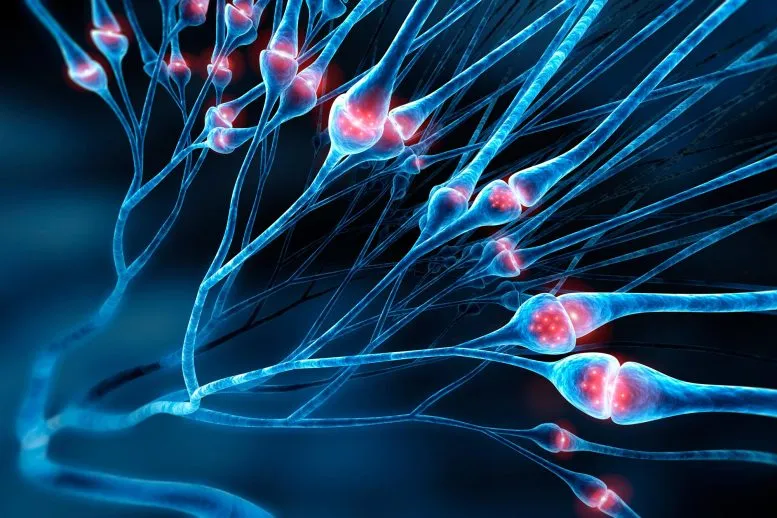
A protein called BRAF, usually linked to cancer, might also play a role in chronic nerve pain. Researchers at The University of Texas MD Anderson Cancer Center found that BRAF helps start and keep pain signals going after nerve damage.
Existing cancer drugs that block BRAF signaling were able to reduce pain sensitivity in lab tests. This suggests these drugs could be repurposed to help people with chronic nerve pain.
How BRAF Connects to Pain
Neuropathic pain is chronic pain from damaged nerves. It can come from injuries, diseases, or even cancer treatments. This type of pain is often severe and doesn't respond well to typical pain medicines.
We're a new kind of news feed.
Regular news is designed to drain you. We're a non-profit built to restore you. Every story we publish is scored for impact, progress, and hope.
Start Your News DetoxThe researchers looked at NMDA receptors, which are protein channels in the brain and spinal cord. These receptors help nerve cells communicate. After nerve damage, they can become too active, making pain signals stronger. The team wanted to see if BRAF was involved in this change.
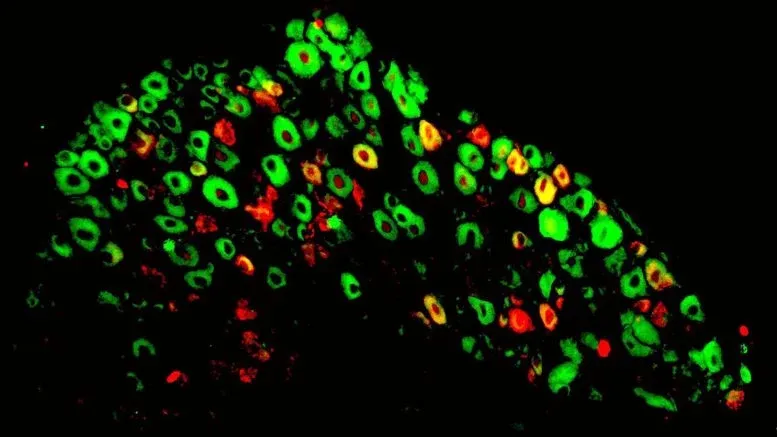
In lab models with nerve injuries, BRAF moved from sensory nerve cells to their endings in the spinal cord. There, it activated signals that increased NMDA receptor activity. The researchers also saw a link between BRAF signaling proteins and NMDA receptors in human spinal cord samples.
These findings suggest that blocking BRAF could reduce too much NMDA receptor activity, which would then lessen pain signals.
Cancer Drugs Show Promise for Pain Relief
The researchers then tested drugs that block this pathway. In lab models, a BRAF inhibitor called vemurafenib and a MEK inhibitor called selumetinib reduced sensitivity to touch, pressure, and heat. These drugs did not change normal responses in models without nerve injury.

Further genetic tests supported BRAF's role. Removing the Braf gene led to less persistent pain sensitivity. Activating BRAF directly caused pain sensitivity even without nerve damage. These results show that BRAF contributes to both the start and continuation of neuropathic pain.
These findings are still in the preclinical stage. More research is needed to find the right doses, ways to deliver the drugs, and possible side effects before human trials can begin. Scientists also want to understand why BRAF moves to the spinal cord after an injury.
Despite these unanswered questions, the study links BRAF signaling to NMDA receptor activity in the spinal cord. It suggests that existing BRAF inhibitors could be a new treatment option for neuropathic pain.
Deep Dive & References
BRAF recruitment to spinal sensory synapses promotes neuropathic pain by potentiating transsynaptic NMDA receptor activity - Science Signaling, 2026