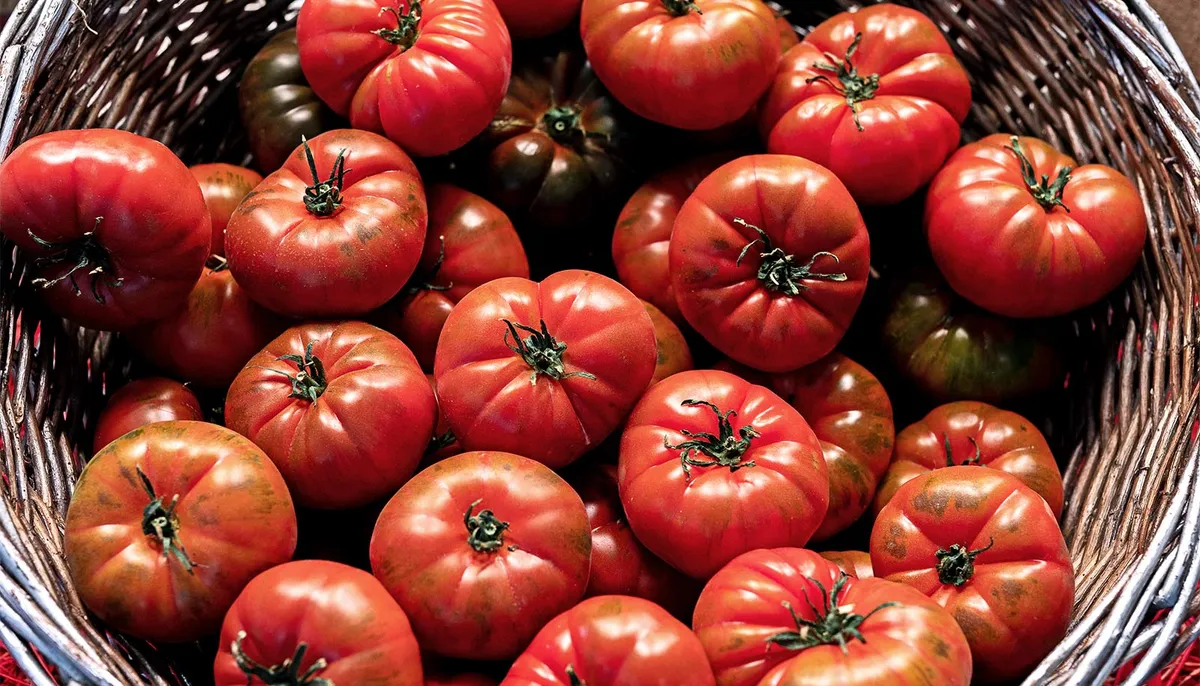
For years, we gave all the credit to lycopene — that bright red pigment that makes tomatoes, well, red. Turns out, there's a quieter, colorless compound named phytoene lurking in the background, doing some heavy lifting against fatty liver disease. And it might just be the unsung hero we didn't know we needed.
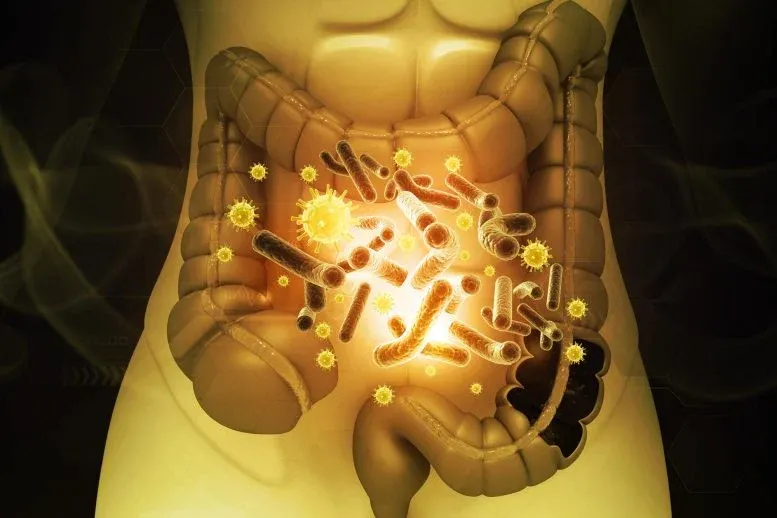
Fatty liver disease is no joke, affecting more than one in three American adults. It's a condition where too much fat builds up in your liver cells, and if left unchecked, can lead to serious damage and even scarring. It's especially common in people with obesity or diabetes, hitting up to 75% of them. Not exactly a fun club to be in.
The Unsung Hero of the Salad Bowl
Scientists have long suspected tomatoes were good for your liver, but pure lycopene supplements never quite matched the protective power of actual tomato powder in animal studies. This was the first clue that other compounds were at play. Enter phytoene.
We're a new kind of news feed.
Regular news is designed to drain you. We're a non-profit built to restore you. Every story we publish is scored for impact, progress, and hope.
Start Your News DetoxA new study out of Tufts University decided to put phytoene to the test. They fed two groups of mice a diet high in refined carbs for six months — basically, the mouse equivalent of a constant sugar binge. One group also got a daily dose of phytoene, roughly what a human would get from three to four medium tomatoes or 100 grams of tomato paste.
The results? The mice getting the phytoene developed significantly less severe fatty liver disease. It seems phytoene kicks certain proteins into gear, telling the liver to burn off excess fat for energy instead of letting it pile up. Basically, it's like a tiny, invisible personal trainer for your liver cells.
Interestingly, the protective effects only kicked in when the mice could actually process the phytoene. This suggests it's not the compound itself, but the smaller compounds it breaks down into, that do the real work. Also, female mice seemed to accumulate more phytoene in their livers than males, which could mean sex plays a role in how well it works. Because of course it does.
So, where can you find this metabolic marvel? Phytoene isn't just in red tomatoes; it's also in yellow, orange, and red tomatoes, carrots, red peppers, pink grapefruit, watermelon, and apricots. Basically, if it's bright and healthy, it probably has some. If future research confirms these findings in humans, simply eating more phytoene-rich foods could be a straightforward way to keep your liver happy. And really, who doesn't love an excuse for more watermelon?