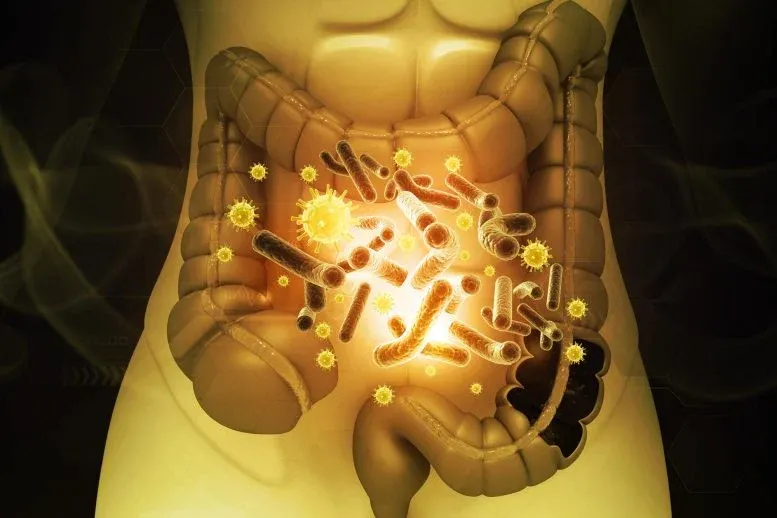
Turns out, your gut microbiome — that bustling metropolis of trillions of tiny organisms living inside you — might be more social than we thought. Scientists just dropped a bombshell: these microscopic residents aren't just shaped by your diet and lifestyle; they're spreading between people, even hopping continents. Because apparently, that's where we are now.
This isn't just a fun fact for your next dinner party. It means the way microbes spread could be a massive, previously underestimated factor in your gut health. And considering these little guys influence everything from digestion to immunity to metabolism, that's a pretty big deal.
Your Gut Bugs Have Cliques
A team from the University of Vienna decided to peek closer, using a method they call 'reverse ecology.' What they found was wild: many common gut bacteria species aren't just one big happy family. They're actually made up of several distinct groups, each perfectly adapted to different conditions inside your gut.
We're a new kind of news feed.
Regular news is designed to drain you. We're a non-profit built to restore you. Every story we publish is scored for impact, progress, and hope.
Start Your News DetoxThink of it like different neighborhoods in a city, but instead of hipsters and finance bros, you have bacteria thriving in specific niches. And some of these bacterial 'neighborhoods' are linked to things you definitely don't want: older age, inflammatory bowel diseases, colorectal cancer, and type 2 diabetes. This discovery, published in Nature, could lead to far more precise treatments and better biomarkers.
Most microbiome research has been looking at bacteria at a species level, which is a bit like saying "humans" when you really need to know if you're dealing with a marathon runner or a couch potato. This new approach helps pinpoint the specific, highly adapted groups that are actually doing the heavy lifting (or causing the trouble).
The Great Bacterial Migration
The researchers didn't just find these distinct groups; they also found that the most competitive ones aren't content to stay put. These highly successful bacterial populations are capable of spreading rapidly across continents, sometimes in just a few decades. Until now, that kind of swift, global spread was mostly seen in disease-causing pathogens.
As study leader Martin F. Polz put it, our gut bacteria are far more dynamic than previously imagined. They're not just passive residents; they're international travelers, finding new homes and thriving. Which, if you think about it, is both impressive and slightly terrifying.
This means that the next time you're wondering why your gut feels off, it might not just be that questionable street food. It could be that your microbiome picked up a new, highly competitive, globetrotting friend from someone else. The good news? Understanding which specific bacterial groups are doing what could lead to incredibly targeted treatments — encouraging the good guys, and showing the problematic ones the door. The future of gut health just got a lot more specific, and a whole lot more contagious.