Turns out, the secret to all complex life — including us — might just be finding a good roommate. Scientists have finally captured direct images of an "Asgard archaeon" (yes, like the Norse gods) literally connecting with a bacterium. They're sharing nutrients, like the world's tiniest, most ancient co-op. This isn't just cute; it's a massive clue to how complex cells, the building blocks of everything from plants to people, first evolved billions of years ago.
For a long time, the prevailing theory was that an ancient archaeon basically ate a bacterium, and that symbiotic meal eventually became the mitochondria inside our cells, powering everything we do. The problem? No one had actually seen what such a partnership might have looked like. Until now.
The Ultimate Roommate Situation
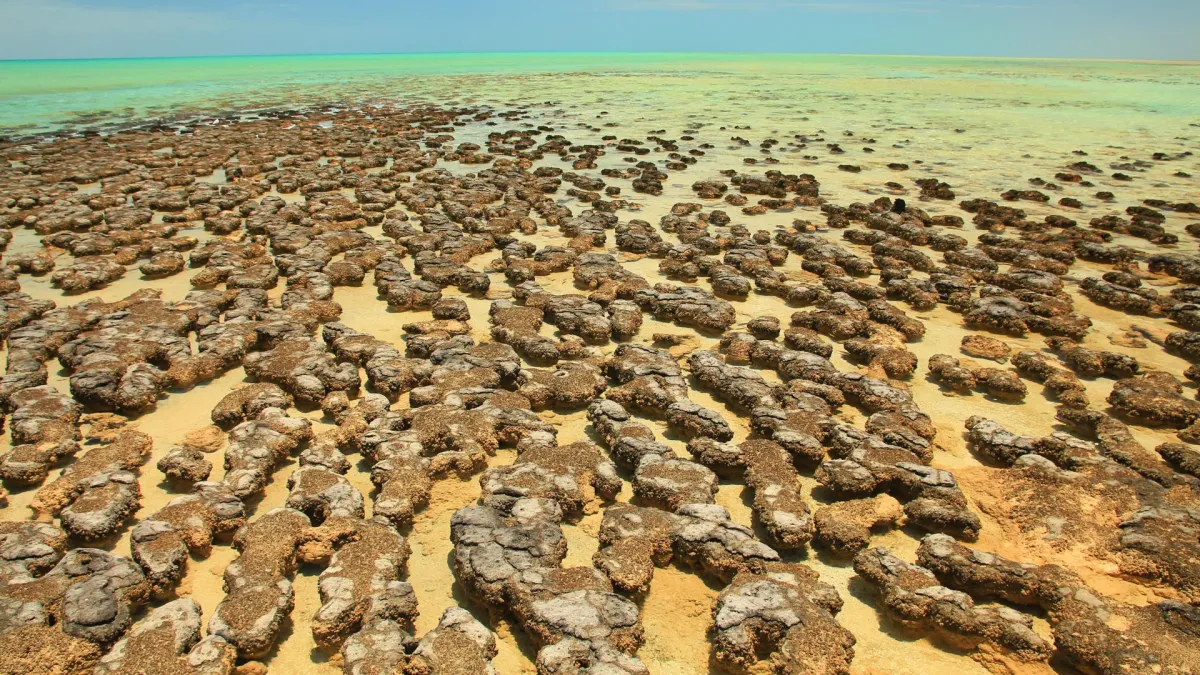
These microscopic matchmakers were found chilling inside stromatolites, which look like innocuous, dark rocks but are actually dense, layered communities built by microbes. Billions of years ago, before plants and animals even thought about existing, stromatolites were busy pumping oxygen into Earth's atmosphere. Now, it seems they were also incubating the ultimate cellular love story.
We're a new kind of news feed.
Regular news is designed to drain you. We're a non-profit built to restore you. Every story we publish is scored for impact, progress, and hope.
Start Your News DetoxResearchers from UNSW Sydney, the University of Technology Sydney, and The University of Melbourne discovered this new Asgard archaeon, which scientists believe is closely related to the ancestors of eukaryotes — the cells that make up all plants and animals. They found it in samples from Shark Bay, Western Australia, a World Heritage site where stromatolites are still forming today, giving us a living window into early Earth.
Getting these elusive microbes to cooperate for a photo op wasn't easy. Growing Asgard archaea outside their natural habitat is notoriously difficult. It took the team four or five years of dedicated effort just to get them to grow in the lab. The kicker? They couldn't grow them alone, suggesting these tiny organisms are dependent on their bacterial buddies to survive. Which, if you think about it, is both impressive and slightly terrifying for single-celled organisms.
Tiny Tubes, Big Implications
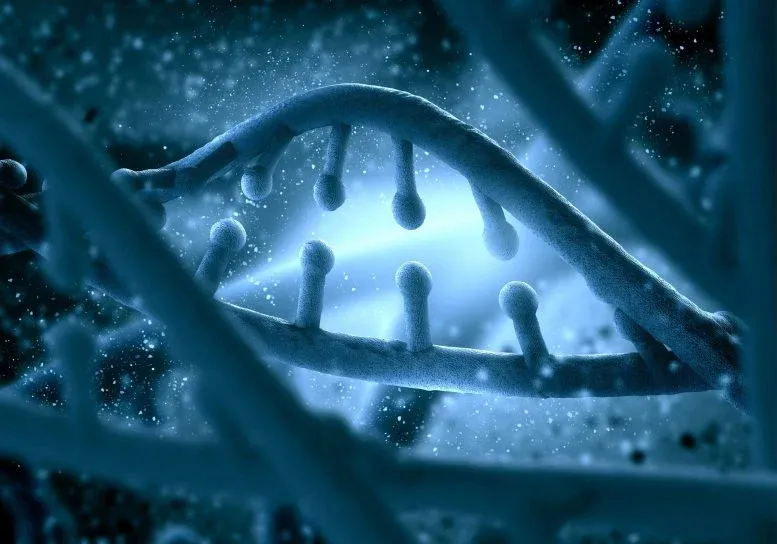
Using fancy 3D imaging called electron cryotomography, the researchers finally saw the magic happen: the archaeon and bacterium were connected by incredibly thin, tube-like structures. They were literally sharing compounds like vitamins, nutrients, and hydrogen. It's the ultimate chemical handshake.
This direct visual evidence of their interaction, where each organism produces what the other needs, is a huge deal. It's like finding a miniature blueprint for how these partnerships began, eventually leading to cells with internal structures, and ultimately, to us.
What's next? Associate Professor Brendan Burns, one of the lead researchers, hopes to find more of these microbial partnerships, expanding what he calls a "little primordial Asgard soup." Because apparently, that's where we are now: looking for more ancient microbial roommates to understand how we all got here.
The new archaeon has even been given a name that honors its ancient home: Nerearchaeum marumarumayae, combining the Greek sea god Nereus with marumarumayae, a Malgana word meaning 'ancient home' from the traditional language of the central Shark Bay people. A fitting tribute to a tiny organism that just might hold the key to our oldest origins.