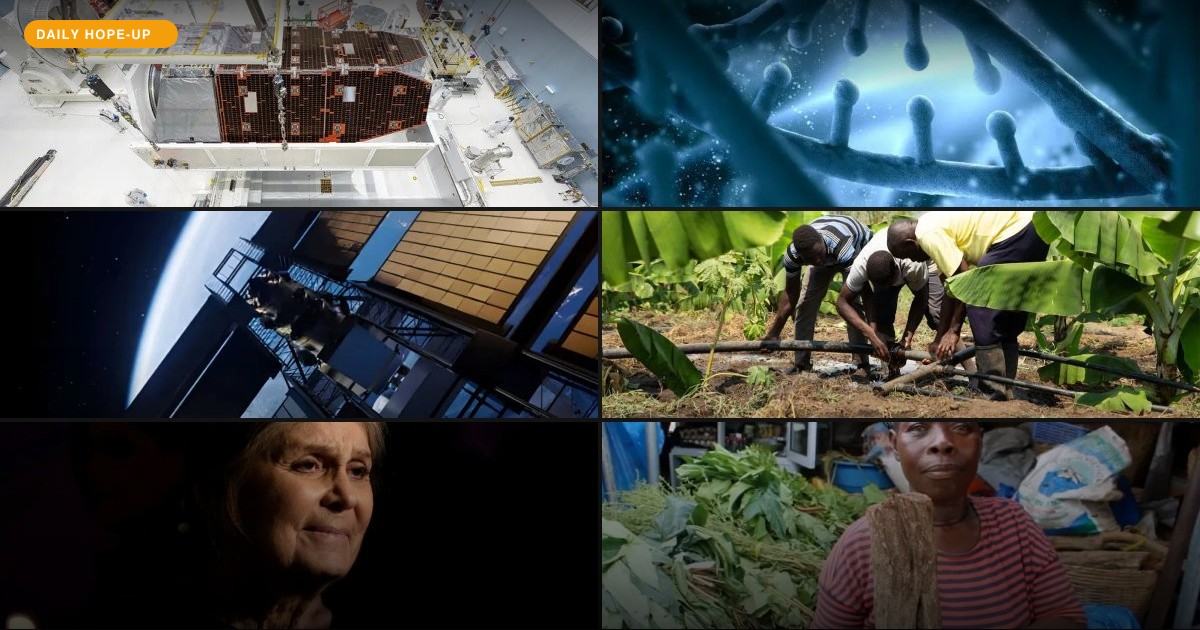
From the astonishing reappearance of a pigeon thought lost for two decades to Saturn's sudden decision to sport a new, geometric south pole, this week offered a reminder that the world — and beyond — is full of surprises. But it also proved that when faced with a challenge, humanity is surprisingly adept at finding novel, often elegant, solutions.
The Cosmos Keeps Unfolding in Unexpected Ways
Just when you thought you had the solar system figured out, Saturn decided to throw a curveball. Researchers recently discovered a giant 10-sided pattern emerging at Saturn’s south pole, a decagon that’s been strengthening over the past few years. It's a curious counterpart to the famous northern hexagon, hinting that our understanding of planetary dynamics is still, shall we say, developing. Meanwhile, far from home, NASA’s new Roman Space Telescope successfully escaped the budget chopping block to hunt dark energy, now 100 times more powerful than Hubble and ready to peer into the universe's deepest mysteries. What this means for you: The universe isn't a static painting; it's a living, breathing, and occasionally polygonal, canvas, and we're getting better at reading its brushstrokes.
"The coral had been declared dead in 2019. Five years later, it's not just alive — it's spawning." — Read the full story
Wait—What is Brightcast?We're a new kind of news feed.
Regular news is designed to drain you. We're a non-profit built to restore you. Every story we publish is scored for impact, progress, and hope.
Start Your News Detox
Ingenuity Blooms Where You Least Expect It
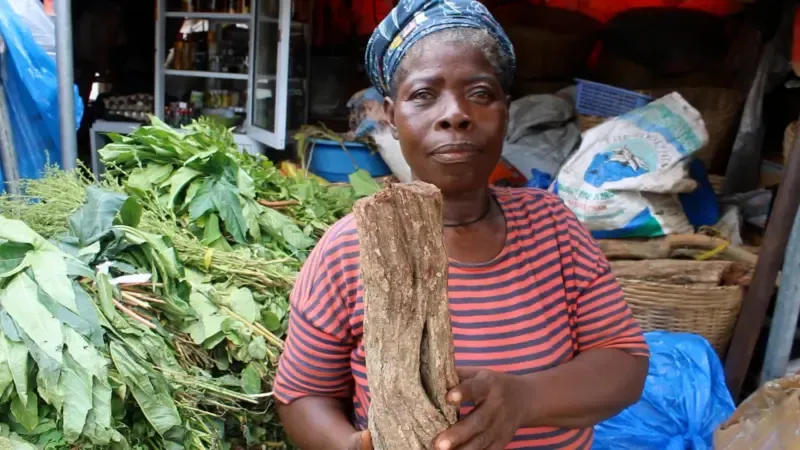
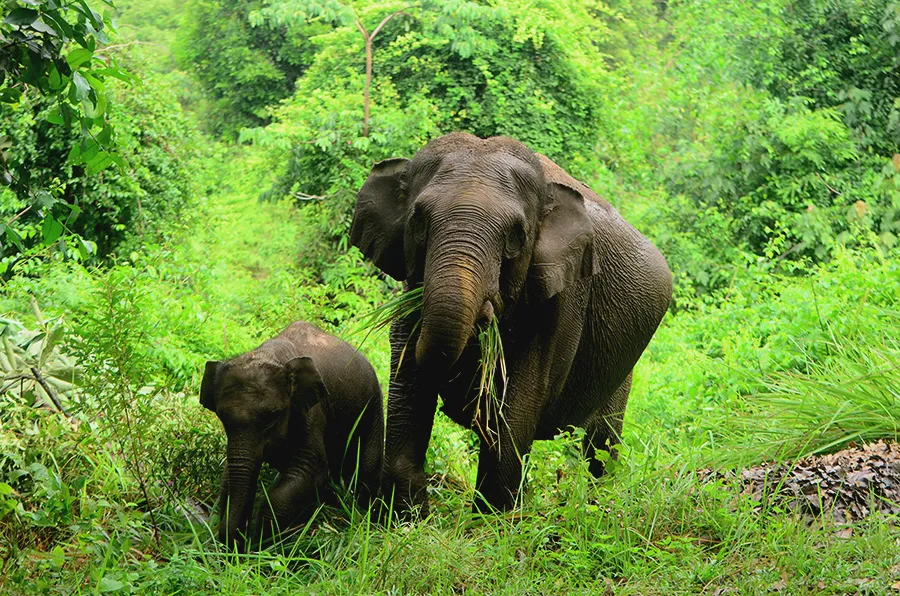
Closer to Earth, the solutions to complex problems are increasingly coming from unexpected places. On Sumatra, a group of women farmers faced the perennial challenge of keeping wild elephants away from their crops. Their ingenious, non-violent solution? Limes. The elephants, it turns out, dislike the strong citrus smell. This week also highlighted the critical role of indigenous plant remedies in Ghana, offering an accessible, affordable alternative to Western medicine for rural communities. And in South Africa, a 'miracle' plant called spekboom is proving so effective, it's bringing back an entire ecosystem, restoring degraded lands and sequestering carbon. What this means for you: Sometimes, the most powerful innovations aren't about inventing something new, but about rediscovering ancient wisdom or simply observing how elephants feel about citrus.
Our Bodies, Our Future, Our Food
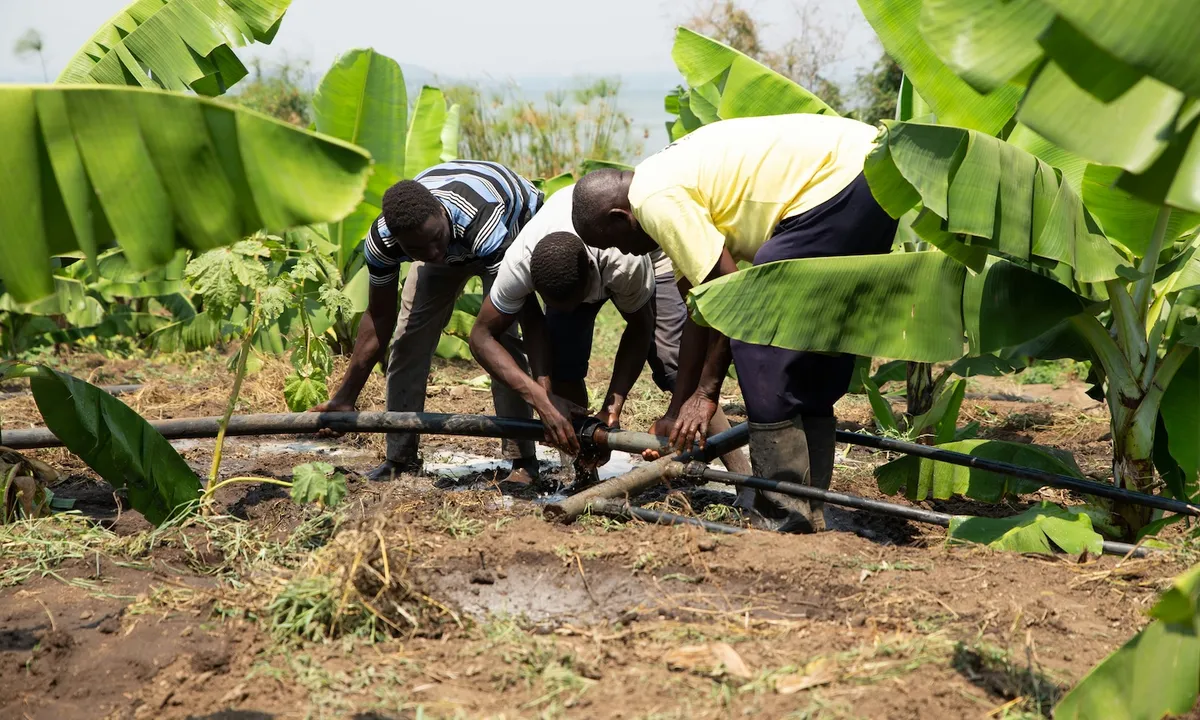
Beyond planetary quirks and clever farming, a thread emerged around how we nourish ourselves and the next generation. Peloton's Robin Arzón released a new cookbook, "Eat to Hustle," serving up practical, plant-based power with recipes from tofu scrambles to flan. This push for healthier, more informed eating is gaining traction in schools, too, with initiatives aiming to bring food education into every classroom. It's a recognition that understanding what we eat is as fundamental as reading and writing. This comes at a time when Africa is looking to its youth to cultivate the next generation of agri-entrepreneurs, turning a demographic challenge into a dinner plan for the continent. What this means for you: Investing in how we eat, from our individual plates to global food systems, is an investment in a healthier, more resilient future.
Hope stat: 830 million — the projected number of African youth by 2050, poised to redefine the continent's agricultural future.
Watch this space: The continued efforts to integrate traditional ecological knowledge with modern challenges, especially in biodiversity conservation and food security.