In Ghana, West Africa, the future of healthcare might just be found in the past. Specifically, in the leaves, roots, and barks that have been healing people for generations.
Turns out, as Western medicine gets pricier, more and more Ghanaians are turning to the plant-based remedies passed down through Indigenous Ga and Twi tribes. It's a booming industry, and frankly, a brilliant workaround.
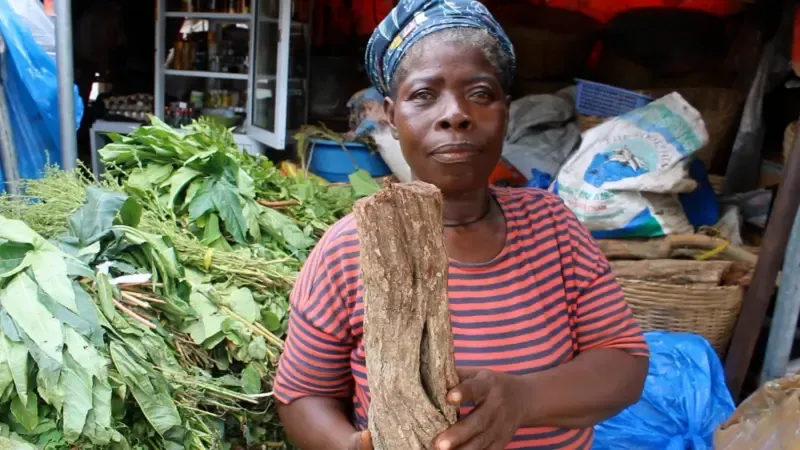
Dr. Kofi Donkor, deputy director of Ghana's Center for Plant Medicine Research, puts it plainly: traditional healers are the OGs. Their knowledge isn't from textbooks; it's from centuries of practice. And here's the kicker: researchers at the center actually learn from these healers, then use science to confirm what they already knew. Because apparently that's where we are now.
We're a new kind of news feed.
Regular news is designed to drain you. We're a non-profit built to restore you. Every story we publish is scored for impact, progress, and hope.
Start Your News DetoxThe Green Rush: From Forest to Pharmacy
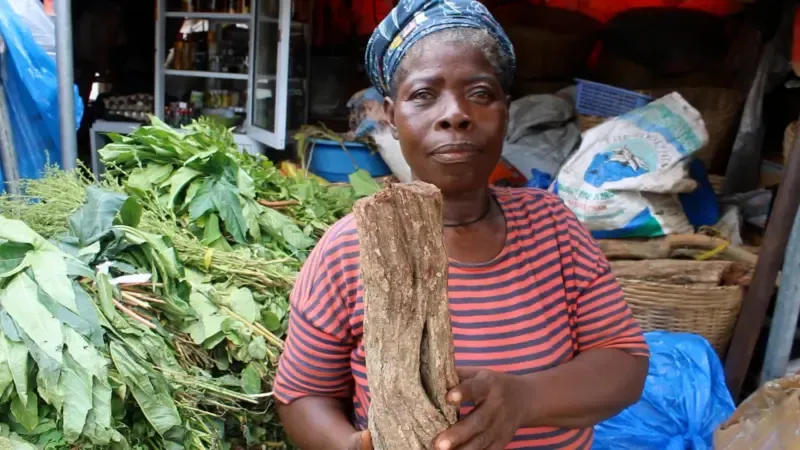
Picture this: long before the sun cracks the horizon, women in rural Ghana are already out gathering medicinal herbs. By morning, their stalls in Accra, the capital, are overflowing with vines, leaves, stems, and bark, ready to become someone's cure.
Ghana's government saw the wisdom in this back in 1976, establishing the Center for Plant Medicine Research. They take these raw plant materials and turn them into natural products, treating a staggering 16,000 patients every month at their clinic. Let that satisfying number sink in.

A 2023 study found that 60% to 70% of Ghanaians use traditional medicine. Dr. Donkor explains why it’s so popular in rural areas: it's accessible, affordable, and familiar. Essentially, it's healthcare that makes sense for their lives.
He notes that in many developing countries, traditional medicine provides a whopping 80% of primary healthcare in rural communities. That's not just ancient wisdom; that's meeting the goal of universal healthcare without breaking the bank.
Villagers often know exactly which plants to grab for common ailments, skipping the pharmacy altogether. Dr. Donkor suggests they might only see an herbal practitioner for the trickier stuff. For a simple sniffle? Just pluck a plant from the backyard.

Science Meets Spirit
Botanical researchers are busy in the lab, too, investigating plants like Croton membranaceous, a green shrub showing promise against prostate cancer. Which, if you think about it, is both impressive and slightly terrifying for the shrub.
Dr. Donkor does offer a word of caution: while market vendors likely sell the right plants, dosage is crucial. You wouldn't chug a whole bottle of cough syrup, right? A knowledgeable practitioner helps get it just right.
Patience, a plant healer in Accra, uses these remedies for everything from malaria to yeast infections. She even uses the common mother-in-law tongue plant (Dracaena trifasciata) for a cold bath, claiming it calms anxiety and aids sleep. And, as an added bonus, she believes it keeps "bad people" away if placed by the door. Because who couldn't use a little botanical security?
The scientific validation from the Center for Plant Medicine Research is giving Indigenous knowledge the spotlight it deserves. As the cost of Western medicine continues its upward climb across West Africa, traditional plant-based healing isn't just an alternative; it's a sustainable, naturally effective solution. And possibly a very good guard dog for your front door.