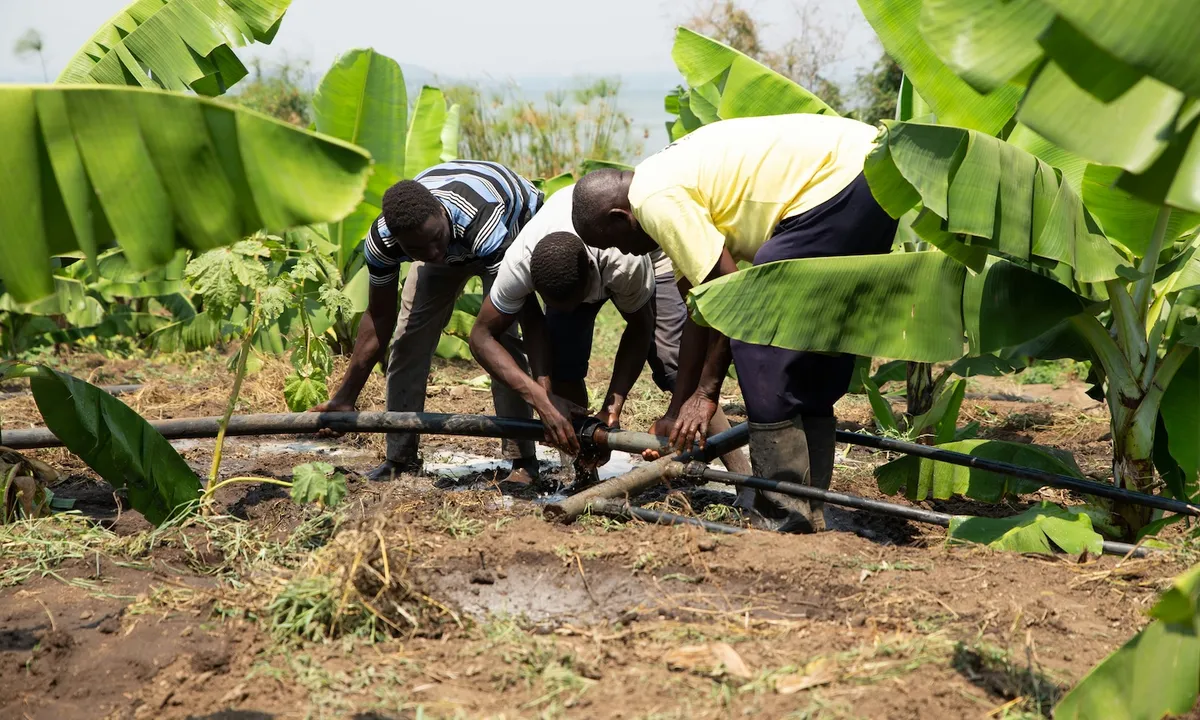
Africa is staring down a demographic tsunami. By 2050, 830 million young people will call the continent home. Which sounds great, until you realize millions of them are entering the workforce each year with nowhere near enough formal jobs waiting. It's a classic case of too many cooks, but not enough kitchens – or, more accurately, not enough farms.
The Future is Green, and Young
Enter the Africa Food Systems Summit in Kigali, where the big brains are tackling this head-on. They're not just talking; they're throwing cash at it. The GoGettaz Agripreneur Prize is dishing out over US$160,000 to young African innovators in food and agriculture. The goal? Get these young minds to create agritech businesses that don't just put food on tables, but completely reinvent how it gets there.
Earlier this year, the Africa Prosperity Dialogues in Accra echoed the sentiment, focusing on empowering small businesses, women, and especially youth. They're eyeing the African Continental Free Trade Area (AfCFTA) – a single market of 1.3 billion people and a US$3.4 trillion economy – as the ultimate playground for these budding entrepreneurs. Imagine the possibilities, if only a young farmer's harvest didn't spoil before it could cross a border. That, apparently, is the real question.
We're a new kind of news feed.
Regular news is designed to drain you. We're a non-profit built to restore you. Every story we publish is scored for impact, progress, and hope.
Start Your News DetoxFarming, for far too long, has been the career equivalent of a shrug emoji. A last resort, not a first choice. This perception has pushed young people from rural areas into crowded cities or, even worse, dangerous migration routes. Which, if you think about it, is both tragic and deeply ironic, given that a skilled, tech-savvy agricultural workforce could be the continent's greatest strength. Unemployed youth? Instability. Agri-tech youth? Dinner, and then some.
The Blueprint for a Bountiful Future
The African Union's aptly named Comprehensive Africa Agriculture Development Programme (CAADP) 2026–2035 isn't just a mouthful; it's a blueprint. It outlines plans to fund agritech hubs, update university courses, and build agricultural support services for youth in all 55 member states. Nigeria, bless its proactive heart, is already converting underused facilities into 42 youth agribusiness innovation centers, training a new generation in climate-smart farming and business skills. Because apparently, unused buildings make excellent classrooms for tomorrow's food heroes.
And let's be clear: this isn't just about feel-good stories. It's an economic imperative. Farming is Africa's biggest employer, supporting up to three-quarters of all livelihoods. Small farmers grow roughly four-fifths of the food Africans eat. Yet, output per worker is still low compared to global standards. Closing that gap isn't charity; it's a GDP booster shot.
The African Development Bank's ENABLE Youth Programme, for example, has already reached nearly 100,000 young people and birthed over 200,000 jobs across 18 countries. Their audacious goal? 300,000 new businesses. Every youth-led farm, cooperative, or agritech venture funded today is future tax revenue, export earnings, and reduced import costs tomorrow. Let that satisfying number sink in.
Building Buffets, Not Just Borders
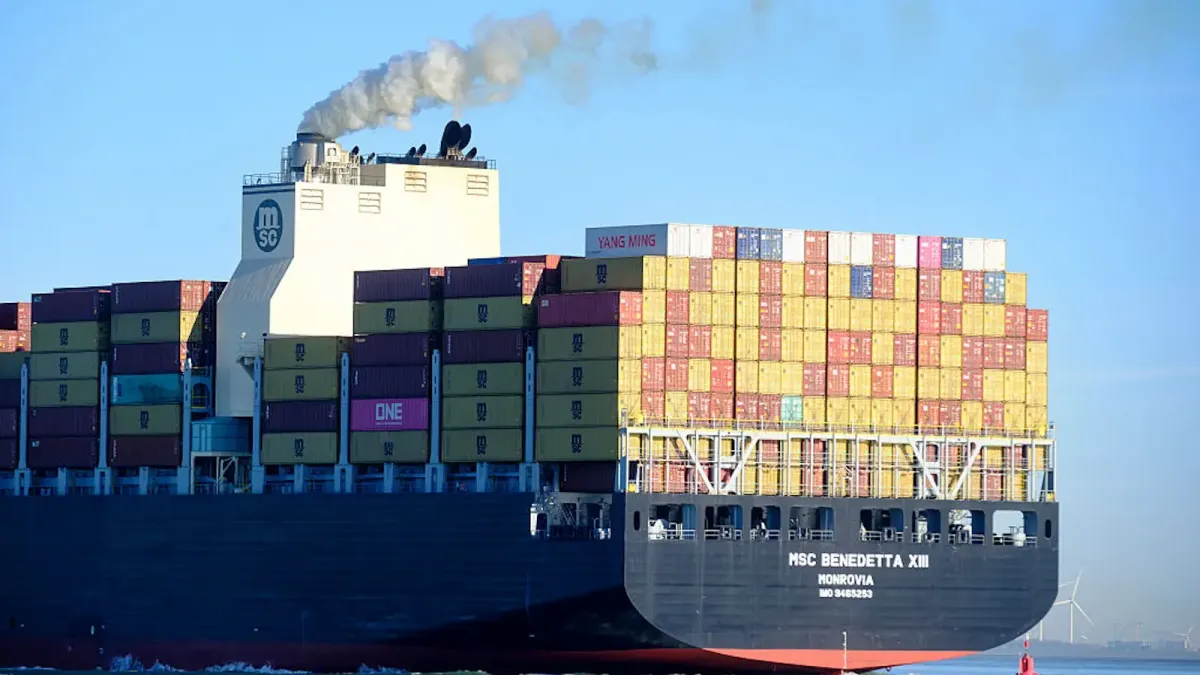
Because geopolitics, as we've recently discovered, can really mess with dinner plans. Fertilizer use in Africa plummeted by about 25% in 2022 after Russia's invasion of Ukraine. The UN estimates this disruption pushed 8 to 13 million more people worldwide into hunger, with sub-Saharan Africa taking the hardest hit. And now, a separate conflict near Iran is disrupting shipping through the Strait of Hormuz, affecting about a third of the world's fertilizer trade. Analysts predict African grain importers will feel that pinch first.
Africa can't exactly control global geopolitics (yet), but it can build strong, youth-led, local food systems. Systems that can shrug off future shocks. Global platforms like the UN General Assembly’s SDG Moment and Climate Week NYC are bringing young voices to the forefront, reviewing progress on goals like Zero Hunger and Decent Work. Young African agripreneurs aren't just deserving of a seat at these tables; they're the ones bringing the menu.
Innovation is already cooking. In Rwanda, AgriResearch Unguka helps small farmers pick seeds and forecast profits, which sounds like a superpower. In Kenya, DroFarmer uses data to help farmers reduce crop losses and access insurance, because nothing says "future" like data-driven dirt. The message is clear: fund Africa's youth. Strengthen local food independence. Because the only thing better than a full stomach is a full stomach that you grew yourself.