Raven-Flint Nuclear Corporation is working to build America's second uranium conversion plant. The company was chosen for the U.S. Department of Energy’s (DOE) Nuclear Energy Launch Pad program at Idaho National Laboratory. This could speed up the creation of its new facility.
The company also announced two other big steps. It successfully made uranium hexafluoride (UF₆) using its own special process. Also, the U.S. Nuclear Regulatory Commission (NRC) has started reviewing its application for uranium operations at its lab in Idaho Falls.
These steps show the company's effort to move its technology from lab tests to a full-scale uranium conversion operation.
We're a new kind of news feed.
Regular news is designed to drain you. We're a non-profit built to restore you. Every story we publish is scored for impact, progress, and hope.
Start Your News DetoxBuilding a Second U.S. Uranium Conversion Plant
Raven-Flint plans to build a pilot facility called Torch at Idaho National Laboratory. This plant will show its uranium conversion technology on a larger scale.
Uranium conversion is a key step in making nuclear fuel. Uranium must be changed into uranium hexafluoride (UF₆) before it can be enriched for use in many reactors.
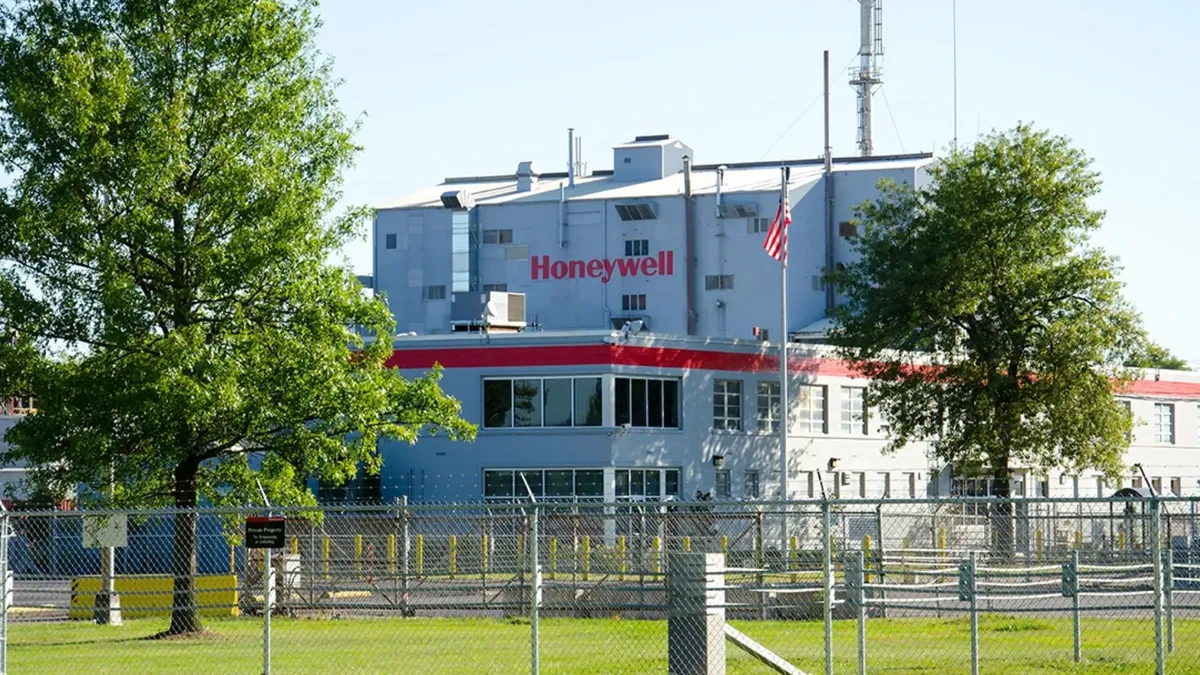
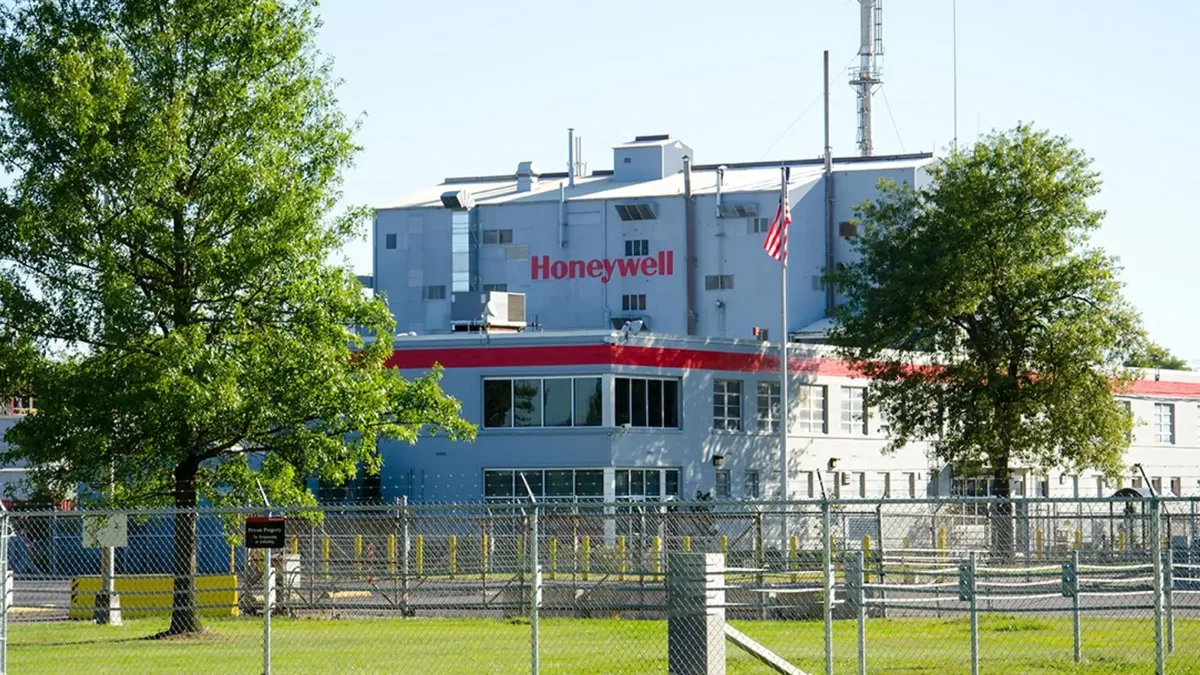
The U.S. currently has only one uranium conversion facility, built in 1958. This plant supplies less than half of what U.S. power companies need.
Raven-Flint aims for Torch to process 500 tonnes of uranium into UF₆ each year. This would be enough fuel for two large reactors. The facility could also make UF₆ for the Department of Energy and defense needs.
A New Way to Convert Uranium
The company's unique approach is called the Corvus Route. This special process removes elemental fluorine gas from the production chain.

Traditional UF₆ production uses elemental fluorine. Raven-Flint believes removing it could make the conversion process simpler and safer.
The company has now successfully made UF₆ using the Corvus Route. This proves the technology works.
Raven-Flint also claims this technology could cut costs by over 30% compared to older methods. It could also end the need for foreign-made hydrogen-fluoride electrolyzers.
These are company claims. The successful lab production does not yet prove these economic benefits or that it can work at a commercial scale. The next big step is to show consistent production at a much larger volume.
Government Support and Review
Being selected for the Nuclear Energy Launch Pad at INL could help with scaling up the technology. This DOE program helps nuclear technology developers get technical help, facilities, and regulatory support. They work to demonstrate new technologies.
For Raven-Flint, this means developing the Torch facility at INL while improving its conversion technology. Meanwhile, the NRC has officially started its technical review of Raven-Flint’s license application for its Idaho Falls lab.
This review process will provide data for a future application for a commercial-scale facility.
Why Uranium Conversion Matters
The U.S. wants to have more control over its nuclear fuel supply chain. Growing nuclear power needs not just reactors, but also reliable uranium, conversion, enrichment, and fuel fabrication. Problems at any stage can slow down the whole system.
Uranium conversion is a less visible but very important part of the nuclear industry. Raven-Flint is trying to solve this problem with a new chemical process. It is using DOE and NRC programs to move from lab tests to industrial use.
The immediate goal is not to build a 500-tonne-per-year plant. It is to prove that the Corvus Route can reliably make UF₆. This involves scaling up the process through engineering tests and getting the necessary approvals for larger facilities.