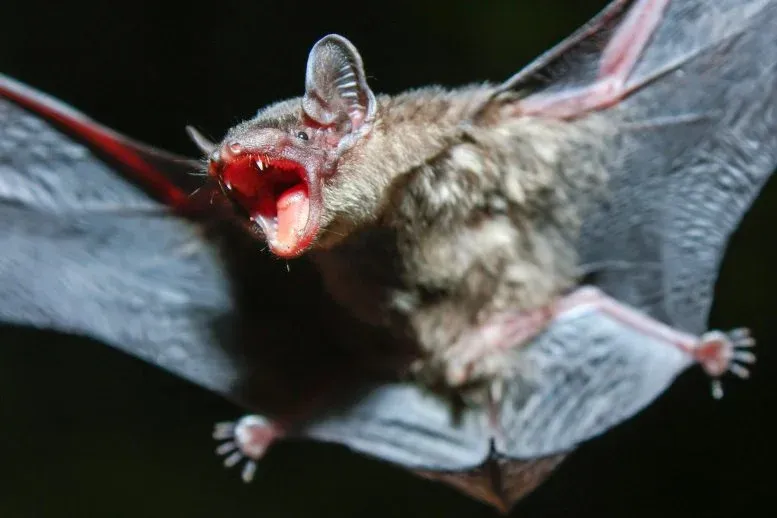
Vesper bats have a unique immune system. Scientists found they have a second set of antibody genes. This has never been seen in any other mammal.
Bats often carry viruses that can make other animals very sick. But bats themselves usually stay healthy. This has been a mystery for researchers.
Scientists from Tulane University, Stanford University, and the Centers for Disease Control worked together. They believe this new discovery helps explain how bats handle viruses.
We're a new kind of news feed.
Regular news is designed to drain you. We're a non-profit built to restore you. Every story we publish is scored for impact, progress, and hope.
Start Your News DetoxA Unique Antibody System
A study in Science Advances showed that vesper bats have two copies of the genes that make antibodies. All other known mammals have only one set.
This finding changes what we know about how mammal immune systems work. It also raises questions about why bats are so successful and how they fight off viruses.
Hannah Frank, a professor at Tulane University, led the study. She said this discovery is unlike anything seen in a mammal before.
Vesper bats are the largest bat family, with over 500 species. They live on every continent except Antarctica. Their success has always interested scientists. This new antibody system might be a reason for it.
Antibodies are Y-shaped proteins. They are made of two heavy and two light protein chains. In humans and other mammals, heavy chains come from a single set of genes.
Frank and her team found that vesper bats have two separate heavy-chain gene systems. This could allow them to create more diverse antibodies.
Focusing on Adaptive Immunity
Much research on bat immunity has looked at innate immunity. This is the body's first defense against infection. Frank believes the new findings point to adaptive immunity as another important area. Adaptive immunity is responsible for making antibodies.
Frank said this discovery is a key part of the puzzle. It doesn't fully explain why bats are good at carrying viruses. But it shows a new level of immune diversity. This gives scientists a new direction for research.
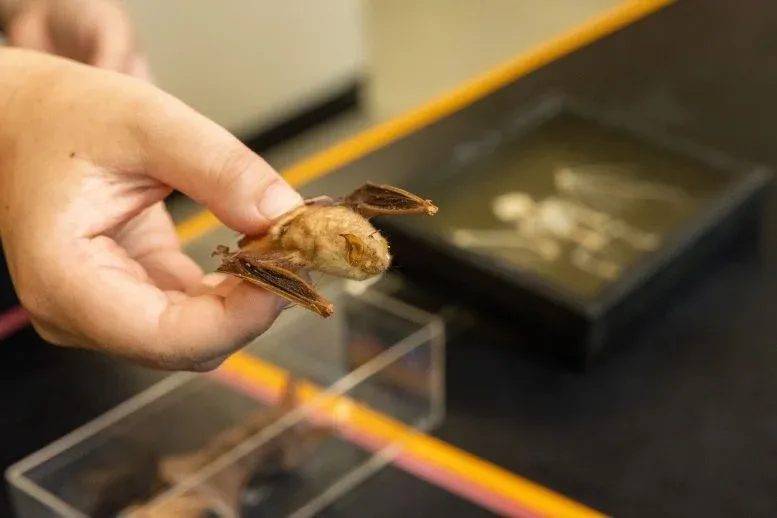
Bats are important for the environment. They pollinate plants, spread seeds, and control pests. They also host many viruses. Learning how bats live with these viruses without getting sick could help us understand immune responses in other species. It could also help reduce the spread of diseases to humans.
Frank noted that studying different species helps us discover new things about immunity. The natural world is much more varied than just humans and lab mice.
Deep Dive & References
Immunoglobulin heavy chain locus duplication in bats - Science Advances, 2026