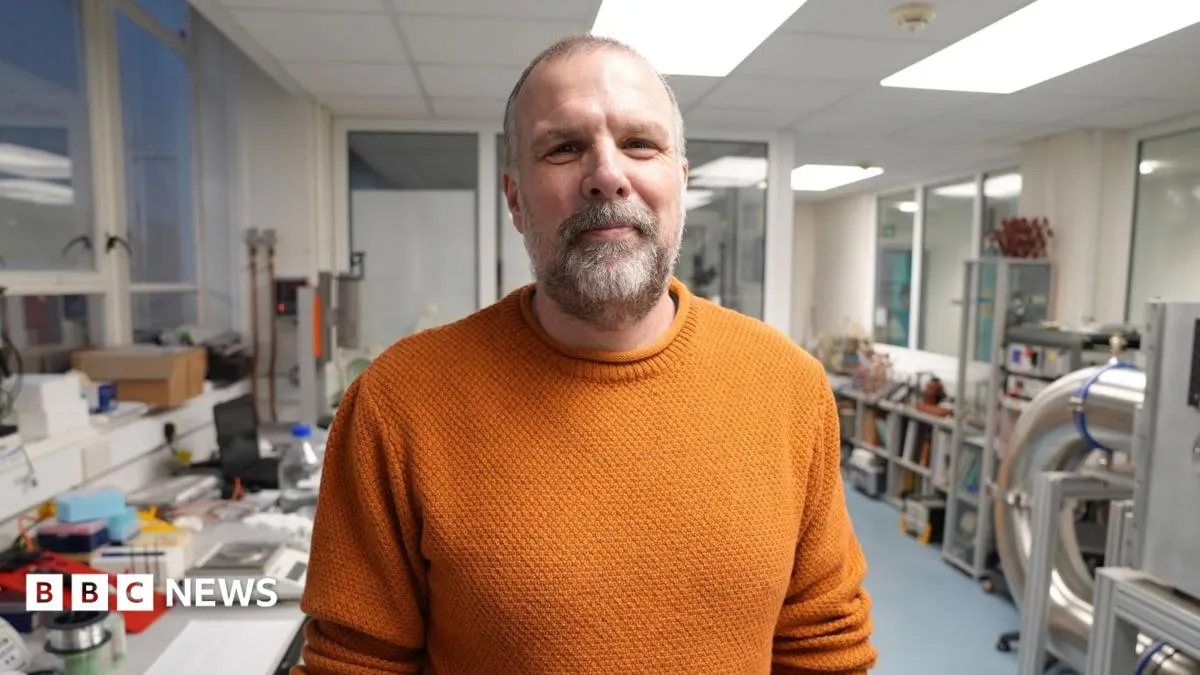
At the Met Office headquarters, a special team works 24/7. They focus on images of the Sun to predict space weather. This team is one of only a few like it worldwide.
Space weather can greatly affect life on Earth. It can disrupt GPS, power grids, and satellites. These technologies are vulnerable to changes in Earth's magnetic field. To improve forecasting, the Met Office is working with researchers from Aberystwyth University.
Understanding Space Weather
Most space weather comes from the Sun's activity, like solar flares. These are powerful bursts of radiation. The UK government sees severe space weather as a national risk. A 2025 estimate by Lloyds suggests a major space weather event could cost the global economy $2.4 trillion over five years.
We're a new kind of news feed.
Regular news is designed to drain you. We're a non-profit built to restore you. Every story we publish is scored for impact, progress, and hope.
Start Your News DetoxSince 2014, the Met Office has worked with key infrastructure operators. They use ground equipment and satellites to create forecasts. This helps protect us from space weather impacts.
Richard Stone from the forecasting team explains they "diagnose anything that's happening on the Sun's surface." Then, they "provide a forecast and alert the relevant users to be able to take mitigating actions."
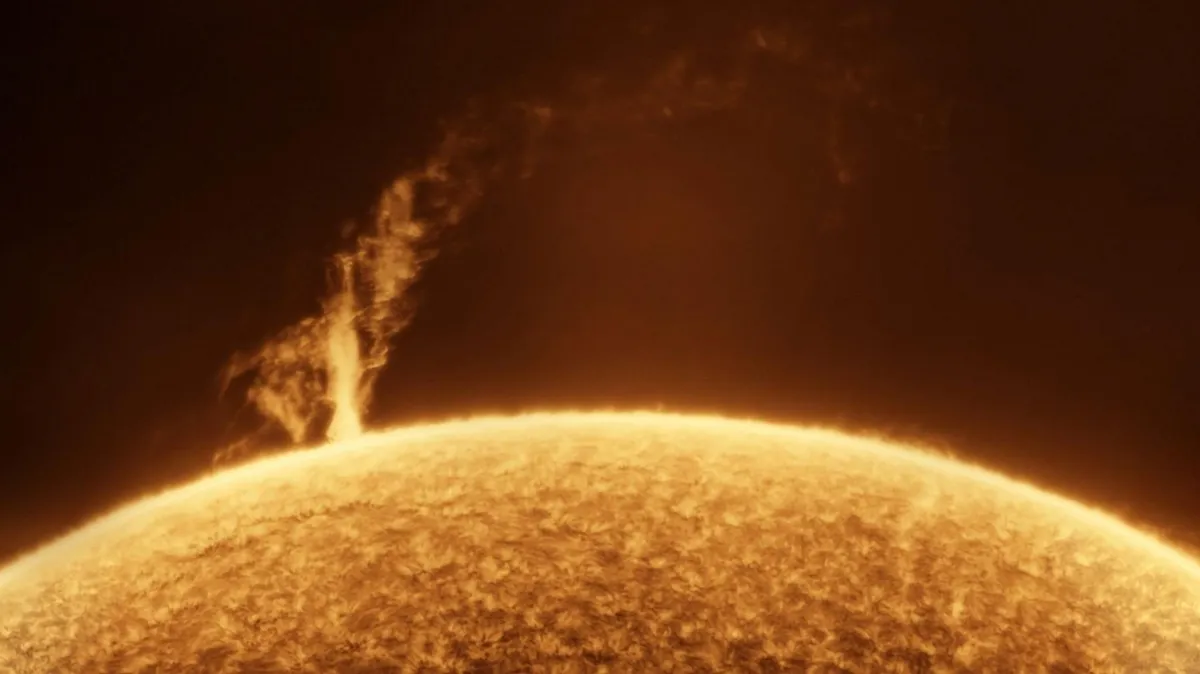
Stone notes that while the technology is impressive, it's still developing. "We've made great strides since 2014, but observations are still limited," he said. Scientists can spot an event on the Sun about three days before it reaches Earth. But then they lose sight of it until it's about one million miles away, near Earth. This leaves only about an hour to predict its exact effect and warn partners. Stone compares it to seeing a storm on America's east coast but not again until it reaches Ireland.
Improving Forecasts
To improve this, the Met Office has partnered with Aberystwyth University. Professor Huw Morgan leads this project, working with Northumbria, Durham, and Reading universities.
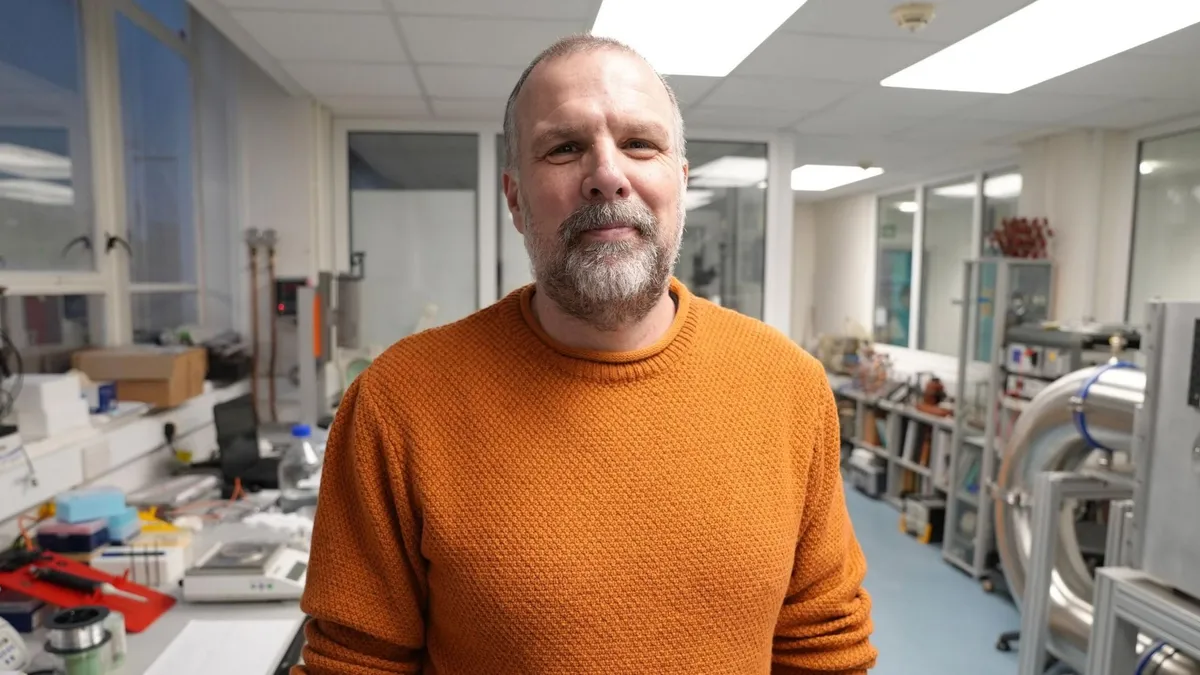
Morgan says this early warning is crucial. "For example, it gives the National Grid an opportunity to prepare and avoid power cuts," he explained. "Or airlines can divert their flights from high latitude to safer lower latitudes." He added that space weather forecasting is a new field, not yet as precise as Earth weather forecasting.
Scientists know which years will have more space weather events. The Sun follows an 11-year activity cycle. "We'll have some very quiet years, very little space weather," Morgan said. "And then it peaks then, at the peak of the cycle then we can have a lot of space weather events, maybe several a day."
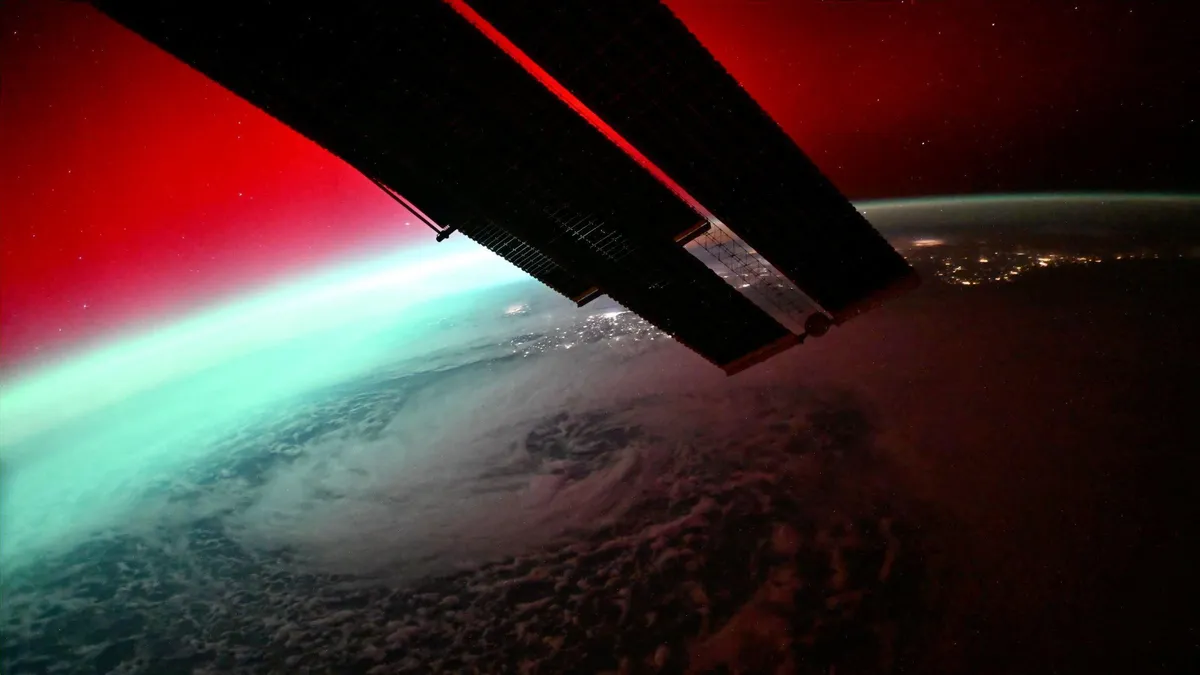
The Sun reached its peak activity, called Solar Maximum, in 2024. This is why more people saw the Northern Lights, which is a visible effect of space weather. Thanks to warnings for technology companies, people on Earth have felt little impact despite the Sun's increased activity.
Lessons from History and Space
The 1859 Carrington Event was a major geomagnetic storm. It caused auroras worldwide and disrupted telegraph networks. Stone noted that during this event, "even telegraph wires were heard to hum and crackle." They could even run telegraph poles without electricity due to the high input. Today, a similar event could have much worse effects because we rely so much on technology.
Space weather also affects astronauts. In 1991, Helen Sharman, the first British person in space, learned where to shelter on the Mir Space Station. She experienced galactic cosmic rays, which are radiation from outside our solar system.
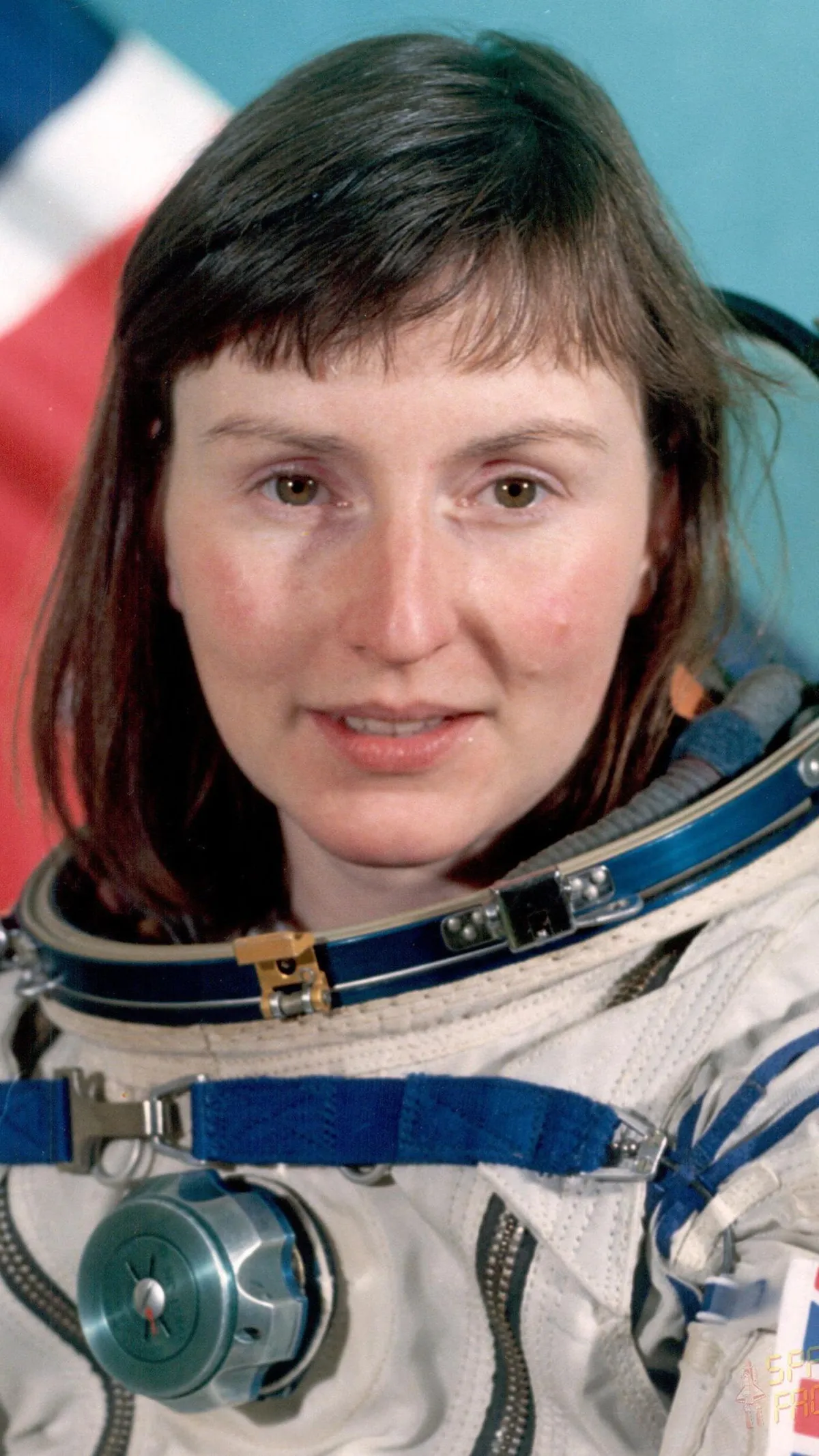
Sharman described seeing "little bright flashes of light on our retinas" as these particles passed through the spacecraft and their eyes. She explained that astronauts in low Earth orbit are mostly protected by Earth's magnetic field. However, for future missions to the Moon or Mars, better radiation protection will be essential.