This week, the universe decided to get a little less mysterious. From new ways to peek at black holes to an unprecedented surge in our ability to map the Earth from above, it seems humanity has been busy upgrading its observational toolkit.
Peeking into the Cosmic Unknown
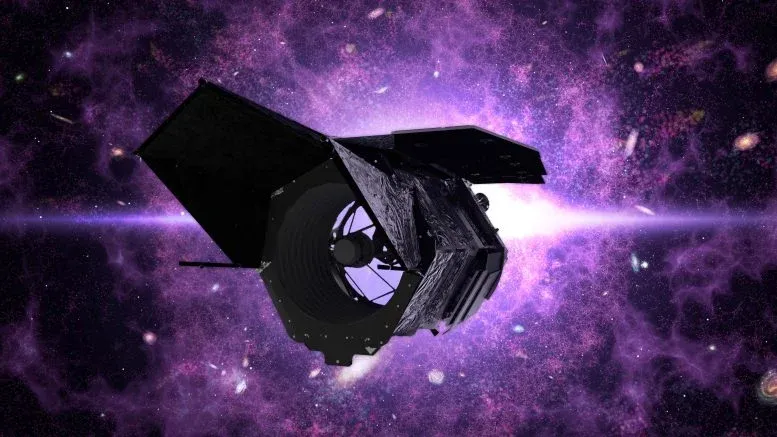
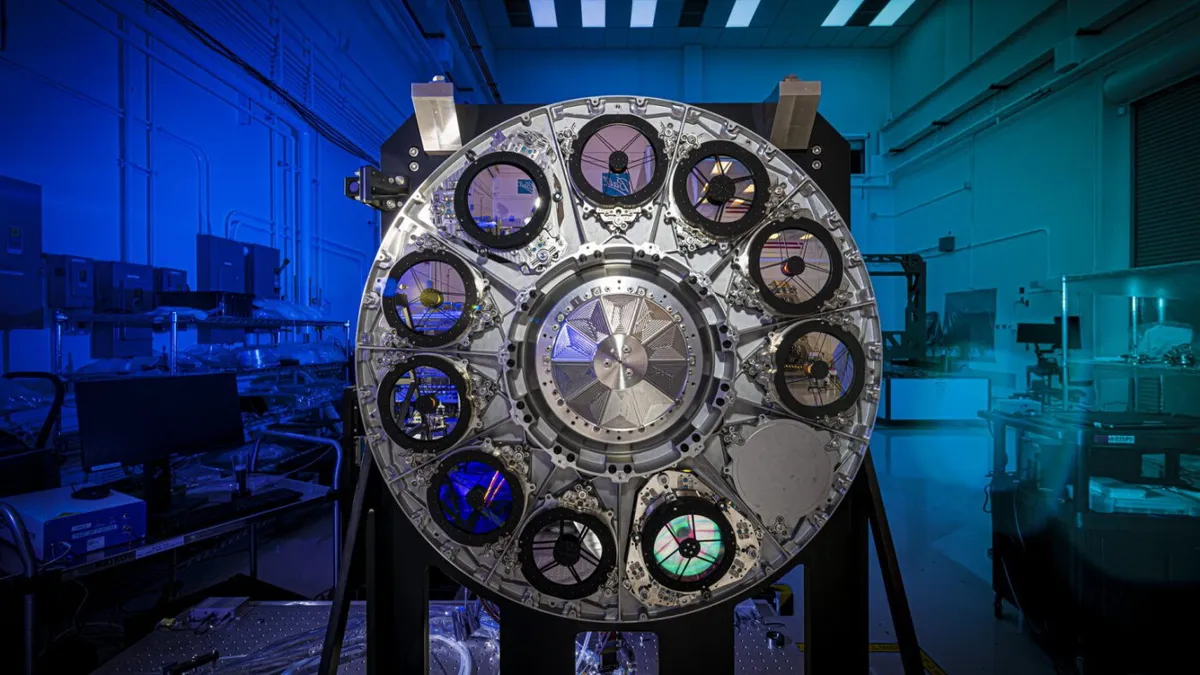
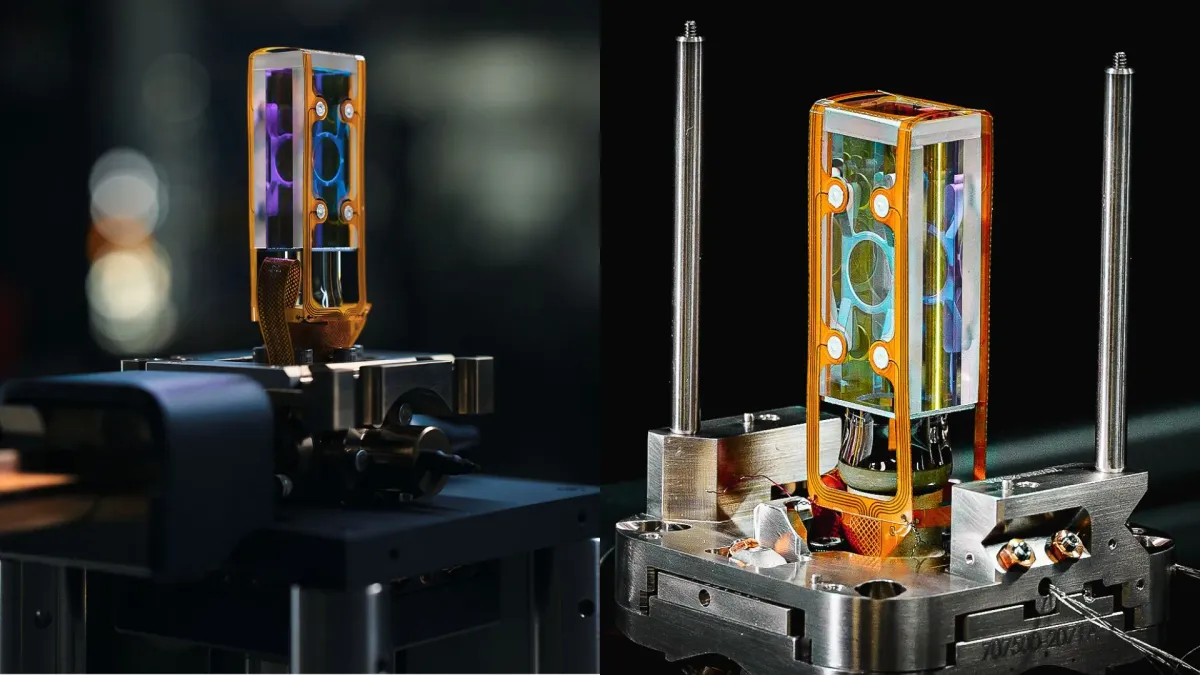
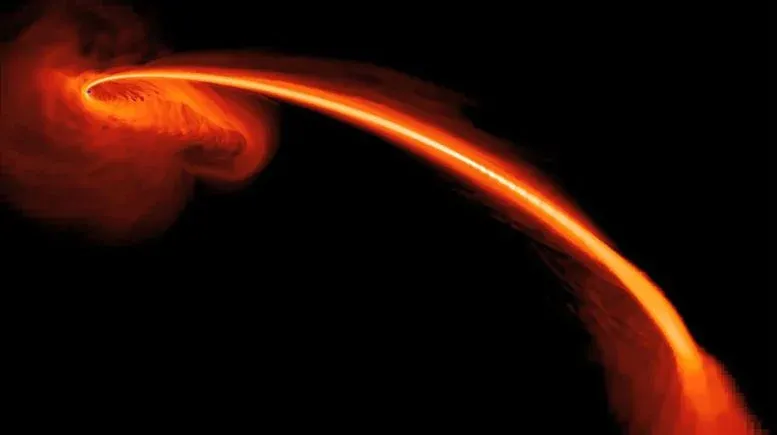
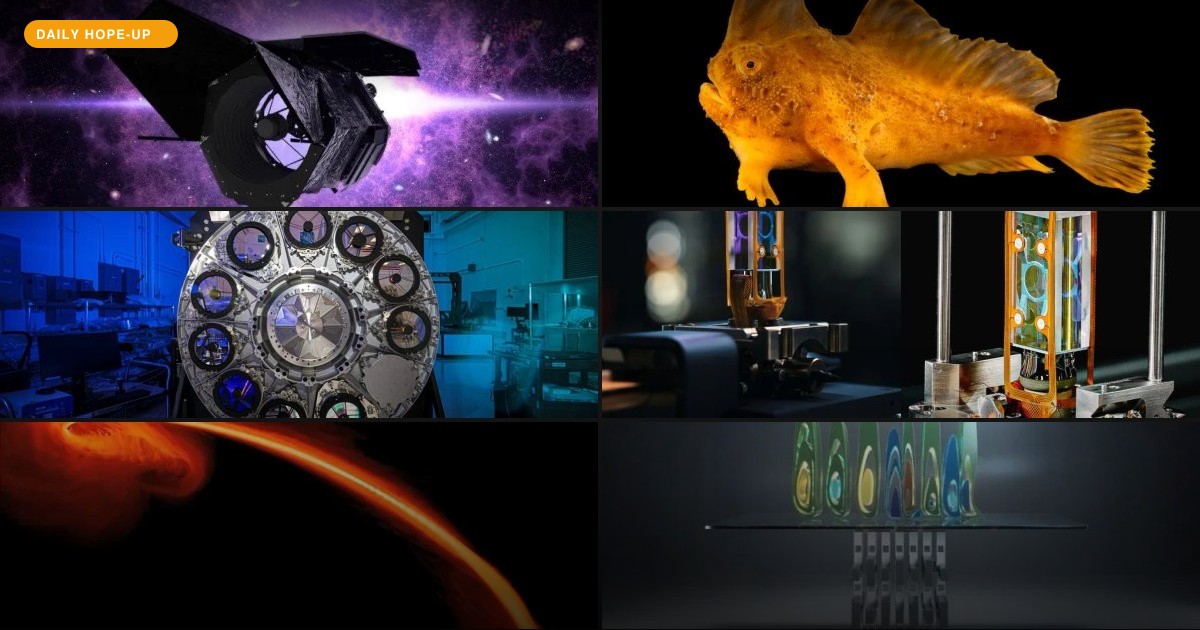
NASA, it seems, has been particularly busy. Not content with just one major space project, they've been rolling out a whole suite of new technologies designed to give us a clearer picture of, well, everything. Their Nancy Grace Roman Space Telescope is almost ready to leave Earth, a mission so ambitious it could fundamentally change how we understand dark energy and matter. And if that wasn't enough, they're also developing the world's first space-based quantum gravity sensor to map Earth's shifting water and ice with atomic precision. Meanwhile, a different group of scientists discovered a star’s spin could solve a longstanding black hole mystery, providing a new lens through which to understand these enigmatic cosmic vacuums. What this means for you: If you've ever gazed at the night sky and felt small, this week proved we're getting much better at understanding the really big stuff.
"The Roman Space Telescope is a NASA observatory designed to unravel the secrets of dark energy and dark matter, search for and image exoplanets, and explore many topics in infrared astrophysics."
Wait—What is Brightcast?We're a new kind of news feed.
Regular news is designed to drain you. We're a non-profit built to restore you. Every story we publish is scored for impact, progress, and hope.
Start Your News Detox
Earth's Unsung Heroes Get a Global Stage
While some were looking out, others were looking in – at the creatures and corners of our own planet often overlooked. Joel Sartore, a man who has dedicated two decades to documenting the world's biodiversity, photographed the 18,000th animal for his Photo Ark. That's 18,000 individual species, each given a moment in the spotlight to highlight their unique beauty and the urgent need for conservation. 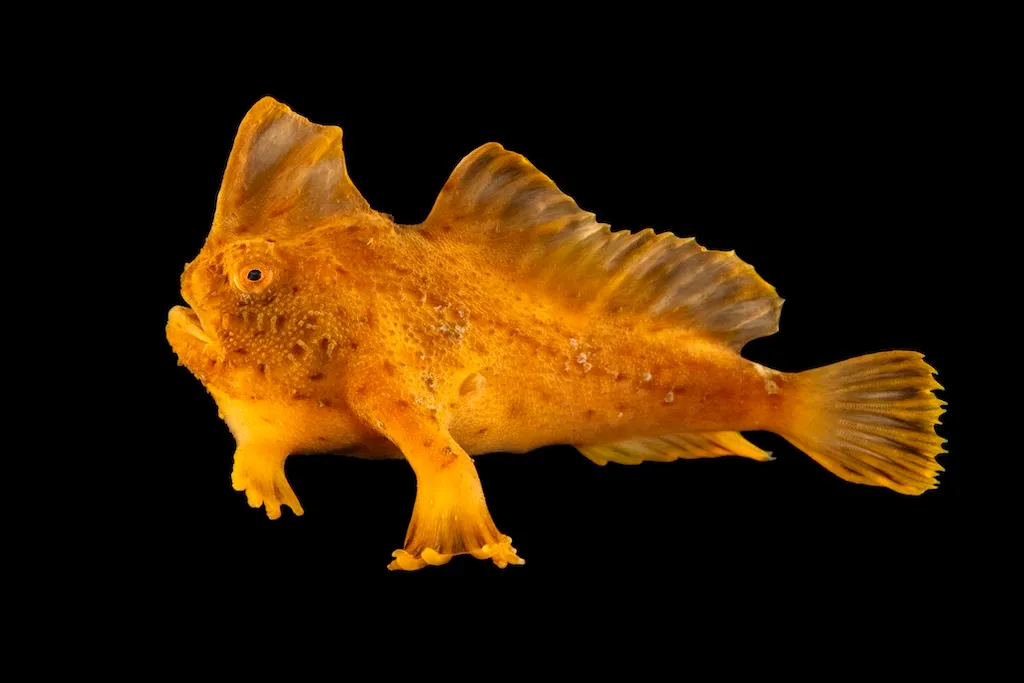 Meanwhile, in Costa Rica, a quirky solution to a serious problem saw 13 peccaries sail home to heal a Costa Rican forest, bringing back an essential seed disperser to a degraded ecosystem. And in a pragmatic move for the sloths (and everyone else), Costa Rica also decided to require wildlife crossings for new roads. What this means for you: It's easy to feel overwhelmed by environmental news, but these stories are a reminder that dedicated individuals and smart policy can create real, tangible wins for the planet.
Hope stat: 18,000 — the number of species Joel Sartore has photographed for his Photo Ark, each a testament to Earth's incredible biodiversity and a call to action.
Watch this space: Keep an eye on NASA's Roman Space Telescope as it prepares for launch — it might just rewrite our cosmic textbooks.